Low water in Rome’s drought-hit Tiber river exposes ancient ruins of Nero’s Bridge

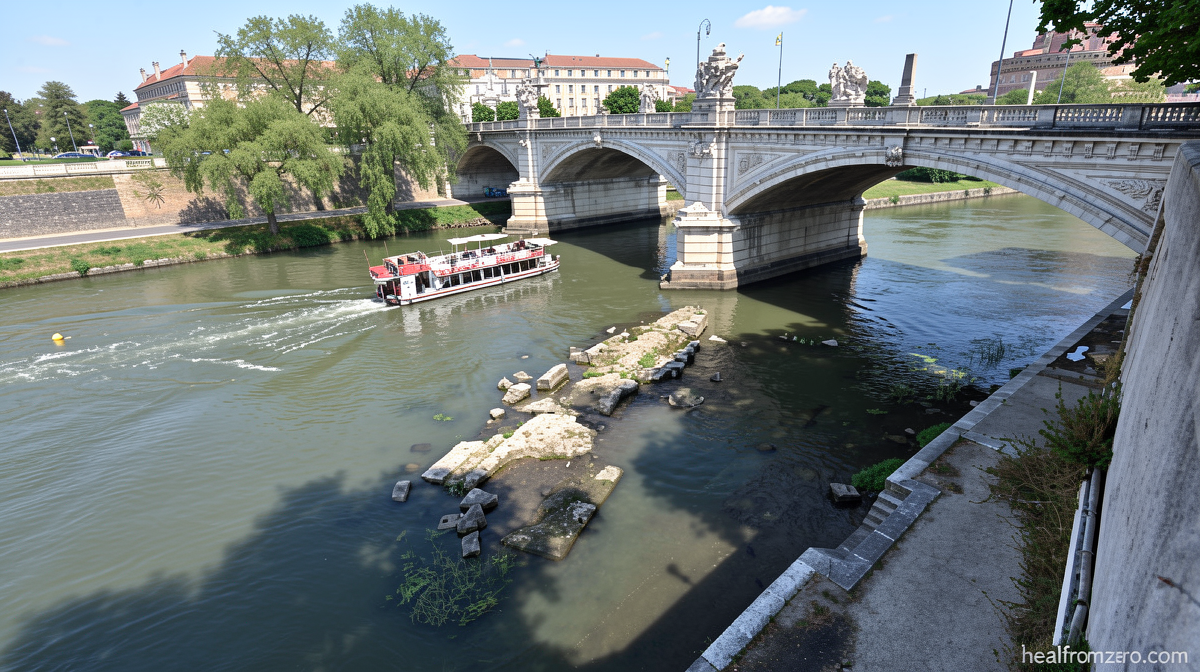
Low Water in Rome’s Drought Reveals Ancient Nero’s Bridge
Healfromzero.com – Low water in Rome s drought has transformed the Tiber River into a living museum, as visitors and residents marvel at the sudden appearance of ancient Roman ruins. The receding waters have exposed the weathered stones of Nero’s Bridge, a structure that has remained hidden beneath the surface for nearly two thousand years. This extraordinary phenomenon comes as the Eternal City faces one of its most significant water shortages in recent memory.
A Water Crisis Unfolds
The Tiber’s flow has dropped to less than 80 cubic meters per second, representing merely half of the typical volume recorded during this season. Giovanni Giganti, who coordinates civil protection efforts for Rome, has characterized the situation as a major water emergency. Despite experiencing substantial precipitation during the preceding winter, extended periods without rain have disrupted the normal hydrological cycle across the region.
We are facing a major water crisis. And it is a crisis that is also due to the fact that this winter we did have quite abundant rainfall, but then the dry periods … were quite long.
The Tiber receives its waters from tributaries originating in the northern Apennine Mountains, making it the lifeblood of the capital. When these water sources diminish, the consequences ripple through the city’s infrastructure, agriculture, and daily life. CNN Travel has been tracking the developing situation as it unfolds.
Imperial Origins of the Stone Crossing
The exposed structure, known historically as Pons Neronianus, carries a name that reflects the complex political landscape of ancient Rome. While archaeological evidence suggests Emperor Caligula commissioned the bridge as a triumphal monument approximately 39 AD, the structure bears the name of his successor. Nero, who ruled from 54 to 68 AD, had a habit of renaming significant buildings and monuments after himself during his reign, transforming Caligula’s creation into what we now recognize as Nero’s Bridge.
The bridge served a crucial function in connecting two of Rome’s most important districts. On one side stood the ancient Campus Martius, an area that today encompasses the Spanish Steps, the Piazza del Popolo, and the luxury shopping corridors surrounding Via Condotti. The opposite terminus reached the Circus of Nero, the stadium where the apostle Peter met his martyrdom and where St. Peter’s Basilica and Vatican City now occupy the sacred ground.
A Rare Archaeological Opportunity
Under normal conditions, the bridge lies completely submerged beneath the Tiber’s waters. This year, however, entire sections of the ancient stonework have emerged, offering researchers an unprecedented chance to examine the construction techniques and structural integrity of the imperial-era crossing. The optimal vantage point for observing the exposed ruins is from the Bridge of Angels, which provides access to Castel Sant’Angelo near Vatican City.
The receding waters have revealed more than just the bridge itself. Further upstream, the drought has uncovered a surprising collection of modern debris, including electric bicycles, motor scooters, household refrigerators, and even an automobile, each telling its own story of how the river has served as an unexpected repository for the city’s discarded items.
Historical Parallels and Future Implications
The current visibility of the bridge echoes a similar event that occurred in 2022, when another drought temporarily exposed the ancient structure. These recurring phenomena highlight Rome’s vulnerability to changing climate patterns and the increasing frequency of extreme weather events. CNN’s Europe coverage has documented how other Mediterranean cities face similar challenges.
For archaeologists and historians, the exposed bridge represents more than a visual spectacle. The dry conditions allow for detailed examination of the stonework, mortar composition, and structural elements that have survived centuries of flooding, erosion, and human activity. The opportunity to study the bridge without the interference of water could yield new insights into Roman engineering practices and the bridge’s role in the daily life of ancient Rome.
Visitor Information
Travelers planning to see the exposed ruins should note that the best viewing times are during early morning or late afternoon when the water levels are at their lowest. The Bridge of Angels offers the most accessible vantage point, with guided tours available through local archaeological organizations. Photography enthusiasts should bring wide-angle lenses to capture the full scope of the exposed stonework against the backdrop of Rome’s historic skyline.
Frequently Asked Questions
When is the best time to visit the exposed Nero’s Bridge? The optimal viewing period is during the summer months when drought conditions are most pronounced. Early morning visits between 7-9 AM typically offer the clearest views and fewer crowds.
How can tourists access the exposed ruins? The Bridge of Angels provides the most convenient access point. Guided tours depart regularly from Castel Sant’Angelo, and independent visitors can walk along the riverbank pathways.
What other archaeological sites have been exposed by the drought? In addition to Nero’s Bridge, visitors have spotted ancient Roman foundations, medieval structures, and modern debris including vehicles and household appliances along the riverbed.
Is the bridge permanently exposed or will it submerge again? The exposure is temporary and depends on rainfall patterns. Historically, similar drought events in 2022 and earlier decades have shown that the bridge typically returns to its submerged state within months of significant precipitation.
Are there any restrictions on visiting the exposed area? Rome’s cultural heritage department has established viewing zones to protect the archaeological site. Visitors should remain on designated pathways and avoid touching the ancient stonework directly.