The Supreme Court’s cryptic mail ballot decision won’t be its last word on voting

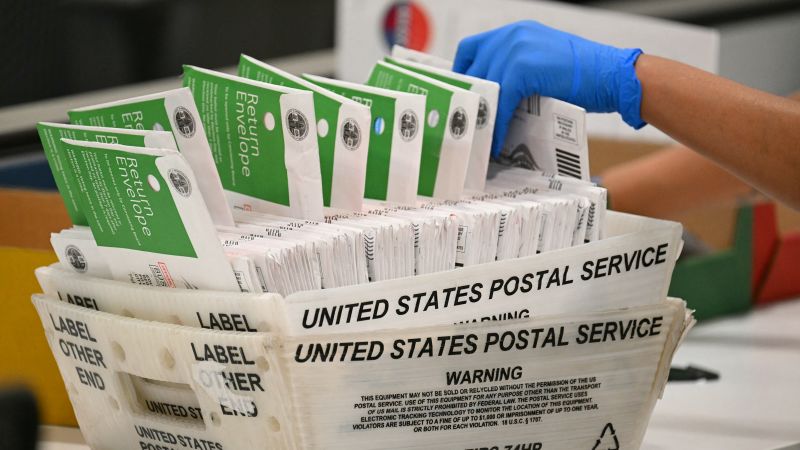
The Supreme Court’s Cryptic Mail Ballot Order Leaves Questions Open
Healfromzero.com – The Supreme Court’s cryptic mail ballot decision gave voting-rights advocates and Democratic-led states a short-term win, but it did not resolve the larger legal fight over mail voting. By leaving a lower-court injunction in place, the justices prevented the Trump administration from moving forward with a proposed Postal Service policy while the case continues.
The unsigned order, issued Monday, offered little detail about the Court’s view of the underlying constitutional and statutory questions. That limited explanation means the dispute could return to the justices in a fuller case, potentially during the current election cycle or before the 2028 presidential election.
The Government is unlikely to succeed on the merits of its challenge to the District Court’s preliminary injunction. And the equitable factors applicable for obtaining emergency relief from this Court do not favor a stay.
A Temporary Win Rather Than a Final Answer
The Supreme Court’s cryptic mail ballot ruling was an emergency decision, not a final judgment on whether the proposed policy is lawful. The administration had asked the Court to pause the lower court’s injunction during litigation, but the justices concluded that the requirements for that extraordinary relief had not been met.
Emergency applications generally require a party to show a strong chance of succeeding in the case and serious harm if the lower-court order remains in effect. The Court’s action keeps existing protections in place for now, without establishing a broad new rule for future mail-ballot disputes.
Justice Brett Kavanaugh wrote separately that there is “at least a fair prospect” the final rule could fall within the Postal Service’s statutory authority. His concurrence suggests that the legal issue remains open and that a similar policy could receive a different review after a complete appellate record is developed.
Why Mail Voting Remains a National Flashpoint
The Supreme Court’s cryptic mail ballot order arrives amid continuing political conflict over voting by mail. Donald Trump lost the 2020 election to Joe Biden but continued to allege fraud, including claims involving mailed ballots. There has been no evidence showing that mail voting is especially vulnerable to widespread fraud.
Justices Samuel Alito and Clarence Thomas have echoed concerns raised by the Trump administration about mail ballots, and Alito dissented in the latest case. Their views underscore why the Court’s brief order is unlikely to end the broader argument.
Donald Verrilli, who served as US solicitor general during the Obama administration, said the issue is likely to remain turbulent through the current electoral cycle and into 2028.
As the rest of this electoral cycle unfolds, and into 2028, I think there’s going to be a lot of turbulence around these issues.
For many voters, mail ballots are more than a political debate. They can be essential for military members, people with disabilities, voters away from home, workers with demanding schedules, and people without reliable transportation. Changes to delivery practices, deadlines, processing rules, or ballot-counting procedures can create confusion even before a court reaches a final decision.
Election Consequences Could Extend Beyond Mail Ballots
The Supreme Court’s cryptic mail ballot decision also highlights how procedural election cases can have broad political consequences. Republicans control both the House of Representatives and the Senate, while Democrats have an opportunity to win the House and possibly both chambers in the November 3 elections.
In a close contest, disputes over ballot access and counting rules can become nationally significant. The Court’s eventual treatment of mail voting could shape not only election administration but also the outcome of closely fought races for Congress.
Frequently Asked Questions
Does this order change how people can vote by mail now? No. The lower-court injunction remains in place while the lawsuit proceeds, so the proposed Postal Service policy cannot move forward at this stage.
Did the Supreme Court decide whether the Postal Service policy is legal? No. The justices ruled only on the administration’s request for emergency relief. The larger legal questions remain unresolved.
What should voters do if they plan to use a mail ballot? Check local election guidance, request a ballot early when required, follow the instructions carefully, and allow sufficient time for delivery or return before applicable deadlines.