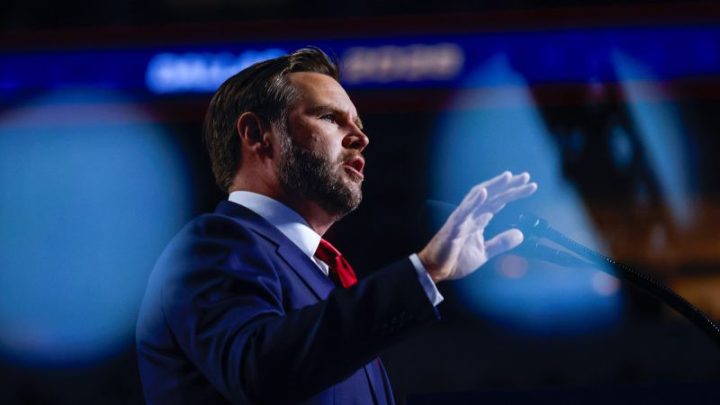
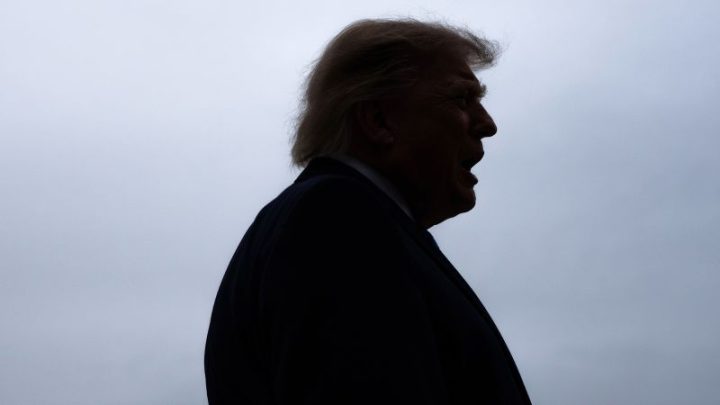
Last-minute doomsday scenarios for the 2026 election

Daftar Isi
As November 2026 Approaches, Speculation Grows Over What Trump Might Do to the Midterms
Healfromzero.com – The question hanging over American voters this fall is no longer simply who will win which House seat or Senate race. It is whether the president himself will step into the machinery of the election in ways no sitting commander-in-chief has attempted before. Weeks before ballots are cast, a constellation of half-formed proposals — some whispered in campaign offices, others floated openly by loyal commentators — has set off alarm bells across the political spectrum.
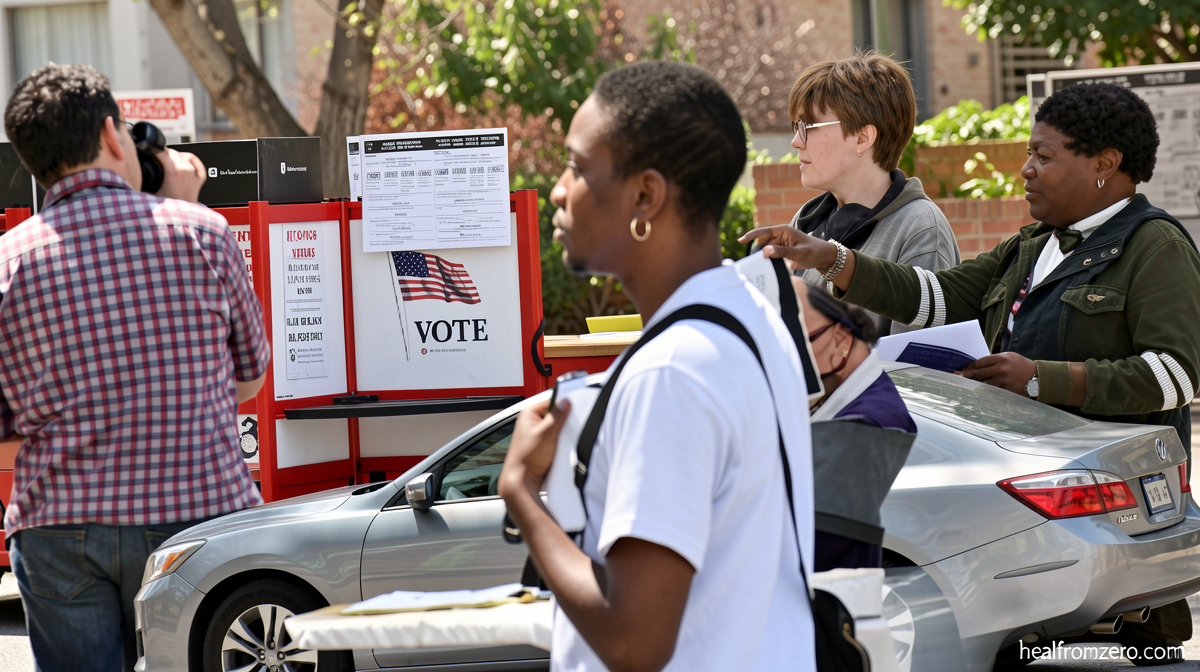
The proposals range from the merely aggressive to the genuinely unprecedented: commandeering ballot boxes after polls close, invoking a national emergency specifically tied to the election, and stationing uniformed federal agents — whether military personnel or Immigration and Customs Enforcement officers — at polling locations. None of these steps was promised when Trump delivered his July address to the nation on election integrity. Yet the mere possibility of them has taken root in public discourse, feeding a cycle of anxiety that both sides now acknowledge.
A Pattern of Unsubstanted Claims
Context matters here. Trump has long maintained that the two elections he won were marred by widespread voter fraud, a claim for which no credible evidence has surfaced. He spent months after the 2020 contest attempting to reverse its outcome, a result he continues to dispute publicly. In recent months, senior aides in his orbit have amplified concerns about electronic voting machines and about noncitizens casting ballots — worries that, while not without a factual basis in isolated cases, have been presented in a manner that far outstrips what the data supports.
When pressed in interviews about what he might actually do in or after November, Trump has kept his answers deliberately vague. The ambiguity itself, critics argue, does work. It keeps the conversation alive without committing him to a specific course of action, leaving allies free to lobby and speculate while the president retains plausible deniability.
The National-Emergency Gambit
The most radical idea under discussion is a presidential declaration of national emergency aimed squarely at the election. The concept is not new to Trump’s playbook; he floated something similar during his first term but never acted on it. What has changed is that a concrete draft executive order, written last spring, now circulates among his supporters. As first detailed by the Washington Post, the document would invoke alleged interference from China as justification for the president to assume direct federal control over how states administer their elections — a power shift of enormous constitutional magnitude.
Notably, U.S. intelligence assessments point to Iran and Russia as the more active foreign actors attempting to influence American elections, not China. Trump has never signed the draft order. In March, however, he did sign a separate executive action imposing new restrictions on mail-in voting and directing the Postal Service to limit its role in delivering ballots. That order remains entangled in multiple federal lawsuits and appears unlikely to take effect before Election Day.
Podcaster and former White House aide Steve Bannon has been among the most vocal advocates for a swift emergency declaration, arguing it would unlock the legal authority needed to send federal agents to polling places or to seize ballots and voting machines in the name of guarding against supposed Chinese meddling.
Trump’s Own Ambiguous Signals
In February, when a reporter raised the prospect of an election-related emergency declaration, Trump appeared genuinely taken aback, saying he had not known about the push. This month, the conversation took a different turn. Conservative commentator Wayne Root explained the concept to the president directly. Trump neither rejected the notion nor embraced it. His response was characteristically elliptical:
“Let me just say that stranger things have happened, OK? I’ll leave it at that.”
That non-answer, delivered by the most powerful office in the country, is precisely the kind of signal that keeps election officials and civil-liberties groups on high alert.
The Legal Counterweight
Opponents are not merely watching. Norm Eisen, cofounder of Democracy Defenders Action — a litigation-focused organization that has filed repeated suits against the Trump administration on a range of issues — told reporters Thursday that the administration lacks constitutional authority to declare an emergency over elections, seize ballots, or take comparable steps.
“There’s no power to declare emergency relating to our elections to seize ballots or do anything else. Courts are going to slap it down. We’re ready to go fast.”
Eisen’s point rests on the observation that American elections have been conducted during world wars, pandemics, and domestic upheavals without any president invoking a national-security emergency to alter their administration. The legal infrastructure for challenging such a move, he insists, is already in place.
The Noncitizen-Voting Argument and Its Limits
The stated rationale for deploying federal agents at polling places is to deter undocumented immigrants from casting ballots. Noncitizens are already prohibited by federal law from voting or registering to vote, and every state maintains procedural safeguards ensuring that each ballot corresponds to a verified registration and that provisional ballots are checked before being counted. A Republican candidate running for governor in Maine has gone further, publicly promising to request ICE agents at polling stations in his state — a move that would make him the first major-party gubernatorial candidate to build such a request into his campaign platform.
Why the Anxiety Persists
Ben Ginsberg, a veteran Republican election lawyer who has advised candidates and parties for decades, offered a two-part assessment. On one hand, he acknowledged the psychological effect of the rhetoric:
“Trump is throwing stuff out there. People are biting on it, and it makes the country as a whole more nervous, and is a self-perpetuating cycle.”
On the other hand, he urged election administrators to prepare as though the worst-case scenario were real:
“Because the rhetoric is there and (Trump) has shown a singular ability for asymmetrical warfare starting on January 6. If you’re an election official, you have to be preparing.”
Yet Ginsberg added a caveat that cuts to the heart of the matter. Preparation, he said, must be undertaken with the understanding that
“the creation of a climate of fear is maybe a goal in and of itself.”
For voters heading into November, the practical implication is straightforward: the election will proceed under state law, with established procedures for counting, verifying, and certifying results. Whether the president chooses to test those procedures — through executive fiat, through the courts, or through the sheer spectacle of federal agents at a polling place — remains, as of now, an open question. The answer, if it comes, will arrive with very little advance notice.
Related Reading
Frequently Asked Questions
What is Last minute doomsday scenarios for the 2026?
Last minute doomsday scenarios for the 2026 is the main topic of this guide. The article explains the context, practical details, and next steps readers should understand.
Why does Last minute doomsday scenarios for the 2026 matter?
Last minute doomsday scenarios for the 2026 matters because readers are looking for a useful answer, not just a short summary. Good content should match search intent and help them decide what to do next.