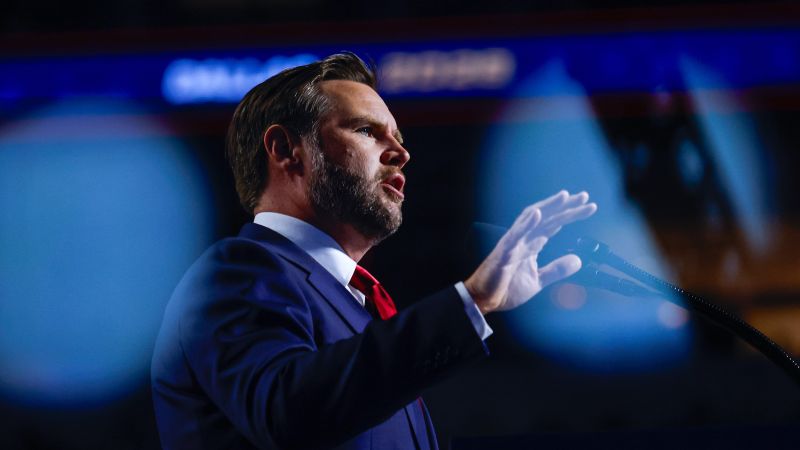
JD Vance’s telling ‘give us another chance’ flub

Daftar Isi
Vance’s “Another Chance” Remark Highlights a Midterm Messaging Problem
Healfromzero.com – Vice President JD Vance offered a revealing formulation while discussing the Republican case to voters ahead of the midterm elections: a request for more time from an administration that has often portrayed its agenda as an immediate success.
During an appearance on the “All In” podcast, Vance began by telling voters to “give us another chance,” then quickly adjusted his language.
“Give us another chance — or, give us another couple of years to continue to work on the amazing things that we’ve been doing for the past two years.”
The correction mattered. Asking for another chance can imply that the first opportunity was not enough, or that the promised results have yet to materialize. That sits awkwardly beside President Donald Trump’s broader political message, which has emphasized a national “golden age” and presented the country’s direction as already transformed.
A More Cautious Appeal
Vance has lately taken a different tone from Trump’s sweeping optimism. Rather than insisting that voters should see only success, he has tried to recognize frustration among people unhappy with elements of the administration’s record or worried about their finances.
At the Republican midterm convention last week, in his podcast appearance, and in private remarks to House Republicans, Vance has focused on the need to address dissatisfaction directly. He cited concerns about the Iran war and the continuing strain that economic pressures can place on households.
“Right now, we have a country where people are frustrated. You got to level with them.”
That is a potentially useful instinct for a party entering a midterm campaign. Voters often respond better to officials who acknowledge obvious anxieties than to those who dismiss them. But there is a political line between expressing empathy and suggesting that an administration needs a fresh opportunity to fulfill its commitments.
Vance’s wording crosses close to that line because it contrasts so sharply with the urgency of Trump’s 2024 campaign. Trump did not merely argue that he could improve conditions left by then-President Joe Biden. He repeatedly conveyed that he could act decisively and produce rapid, comprehensive results.
The Weight of Earlier Promises
Trump has long favored expansive promises. In 2016, he told supporters, “I will give you everything.” During the 2024 campaign, he again set expectations for quick action, particularly around prices and the economy.
Those pledges now create a difficult standard for the administration and for Republicans asking voters to keep them in power. A request for “another couple of years” may be a conventional midterm argument, but it can sound like an admission that the timetable presented during the campaign was unrealistic.
The pressure is especially clear on affordability. Trump’s promise that prices would come down quickly becomes harder to defend when voters do not experience broad relief in their daily budgets. Three-quarters of Americans believe he has neglected the issue, making it a serious vulnerability for a party that wants the election to become a referendum on its accomplishments.
The Iran war also complicates the message. It does not easily fit Trump’s longstanding political identity or the expectations he cultivated among voters who saw him as resistant to major overseas conflicts. Unlike a narrow legislative dispute, the consequences of a war can remain central to public judgment long after a campaign slogan has faded.
Accomplishments With Limits
Before his verbal stumble, Vance pointed to achievements he believes the administration can defend. They included “no tax on tips” and border security. Both are concrete policy areas that may appeal strongly to parts of the Republican coalition.
Yet those examples were more targeted than the expansive economic and national-renewal language that defined Trump’s campaign. They did not directly answer the larger question confronting many voters: whether costs are lower, financial security has improved, and the promised “golden age” is visible in ordinary life.
That gap helps explain why Vance’s comment drew attention. The vice president was not simply making a routine request for votes. His choice of words suggested an awareness that the administration’s record may not match the scale or speed of the expectations it created.
A Test for a Potential 2028 Candidate
The episode also raises questions about Vance’s role in the future of Trump’s political movement. He is widely viewed as the leading contender for the Republican presidential nomination in 2028, but electoral succession is not automatic. A politician can inherit a position without inheriting the communication style, political instincts, or personal connection that made a predecessor successful.
Vance has shown a willingness to make a more nuanced argument than Trump typically offers. That could help him reach voters who feel overlooked or disappointed. It could also expose him to criticism from supporters who prefer the president’s more absolute claims of success.
For now, Republicans face a basic choice in how they present their midterm case. They can argue that the country is already experiencing the benefits of Trump’s agenda, or they can ask voters for patience while unfinished work continues. Vance’s remarks showed how difficult it may be to hold both positions at once.
Related Reading
Frequently Asked Questions
What is JD Vance s telling give us another?
JD Vance s telling give us another is the main topic of this guide. The article explains the context, practical details, and next steps readers should understand.
Why does JD Vance s telling give us another matter?
JD Vance s telling give us another matters because readers are looking for a useful answer, not just a short summary. Good content should match search intent and help them decide what to do next.