Iran meeting with Gulf countries to discuss Strait of Hormuz deal without the US

Iran and Gulf Countries Discuss a Strait of Hormuz Deal
Healfromzero.com – An Iran meeting with Gulf countries is expected to examine an Omani proposal aimed at restoring regular tanker traffic through the Strait of Hormuz. The United States will not participate, although US forces continue to escort oil tankers through the strategically important waterway.
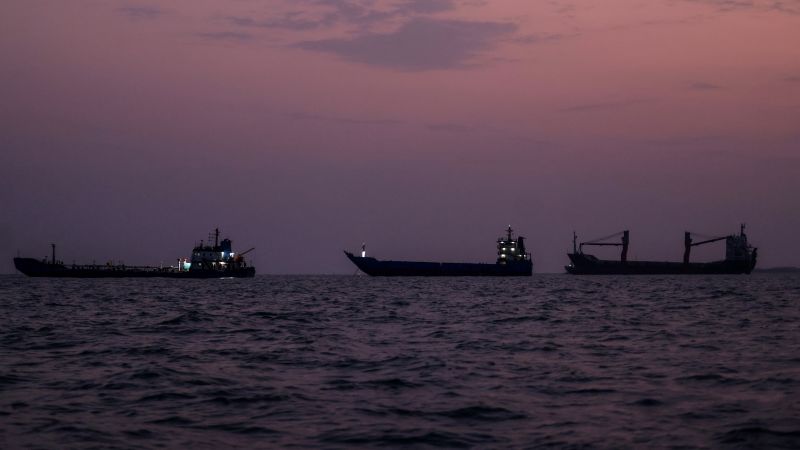
Commercial shipping remains well below normal levels after months of disruption, higher energy prices and uncertainty for vessel operators. Gulf governments are seeking a durable arrangement that can make navigation safer and more predictable without relying indefinitely on military escorts.
President Donald Trump has said the current situation is manageable because US forces are protecting tankers. His administration has indicated privately that any future talks with Iran should focus on Tehran’s nuclear program rather than terms for reopening the strait.
“I’m not trying to force Iran to the bargaining table,” Trump wrote on Truth Social after Iran retaliated following US strikes. “I like our position now much better, with almost total control of the Hormuz Strait, and their economy totally collapsing.”
Oman’s Proposal Centers on Shipping Safety
Oman has spent months exploring a legal framework that could help restore more reliable commercial passage. One proposal would permit voluntary payments linked to navigation assistance and environmental protection, offering a possible compromise where direct Iranian tolls have faced strong regional opposition.
Before the conflict, commercial vessels used the Strait of Hormuz without mandatory charges. Washington and regional partners initially opposed any postwar arrangement that could create fees benefiting Iran, but the prolonged disruption has increased pressure to find terms all sides can accept.
The Iran meeting with Gulf countries is also expected to address maps for agreed shipping routes. Defined lanes could offer an immediate practical measure for tanker operators while broader political and legal questions remain unresolved.
“There is no imminent breakthrough expected, but resolving the strait issue is the most pressing issue, so we need to start somewhere,” a regional source said.
A European diplomat briefed on the Omani initiative said any deal would need to balance opposition to new obligations with the need for both sides to claim progress.
“We won’t accept something that was not there before, but there could be symbolic new rules that allow both sides to save face,” the diplomat said.
Why the Strait of Hormuz Remains Vital
The Strait of Hormuz links the Persian Gulf to the Gulf of Oman and the wider Indian Ocean. It is one of the world’s most important maritime passages, so prolonged restrictions on tanker traffic can affect oil supplies, shipping costs and energy prices far beyond the region.
Alternative export corridors are being explored, but they cannot eliminate the strait’s importance for Gulf producers and international energy markets. Military escorts may reduce immediate danger for some vessels, yet they do not provide the consistency needed for normal commercial operations.
Iran has used the threat to shipping as leverage during the conflict. US officials have acknowledged that Washington initially misjudged Tehran’s willingness to close the waterway after the United States and Israel began combat operations earlier this year.
American forces believe they hold the military advantage in the strait, but diplomatic progress remains uncertain. A US official said Washington remains in close contact with regional partners before, during and after the discussions.
“Iran does not control the Strait of Hormuz and never will,” the US official said.
FAQ: Strait of Hormuz Talks
What is the goal of the talks? The discussions are intended to identify a safe, workable route for restoring more regular commercial tanker traffic through the Strait of Hormuz.
Is the United States taking part? No. The United States is not participating in the meeting, though it remains in contact with regional partners and continues to escort tankers.
Why do Gulf countries need an agreement? Gulf states depend heavily on reliable access through the waterway. A lasting arrangement could reduce uncertainty for exporters, shipowners, insurers and energy markets.