Epstein judge: ‘The public has a right to know what the hell is going on’

Daftar Isi
Justice Department Faces Contempt Warning as Epstein Document Dispute Intensifies
Healfromzero.com – A federal judge in Washington has issued a stark warning to Department of Justice attorneys who are resisting the release of additional files connected to Jeffrey Epstein. Judge Emmet Sullivan cautioned that failing to follow court directives could trigger contempt proceedings with potentially career-ending consequences for the lawyers involved. The DC District Court judge has been pressing the Justice Department for clear explanations regarding the delayed publication of certain records from the investigations into the deceased sex offender. During a Thursday hearing, Sullivan expressed dissatisfaction with the responses provided by government attorneys, both in written submissions and oral arguments. He referenced a notorious legal controversy involving a sitting U.S. senator to underscore his concerns about transparency.
“The public has a right to know what the hell is going on in this case. The victims have a right to know. The court has a right to know,” Sullivan declared during the proceedings.
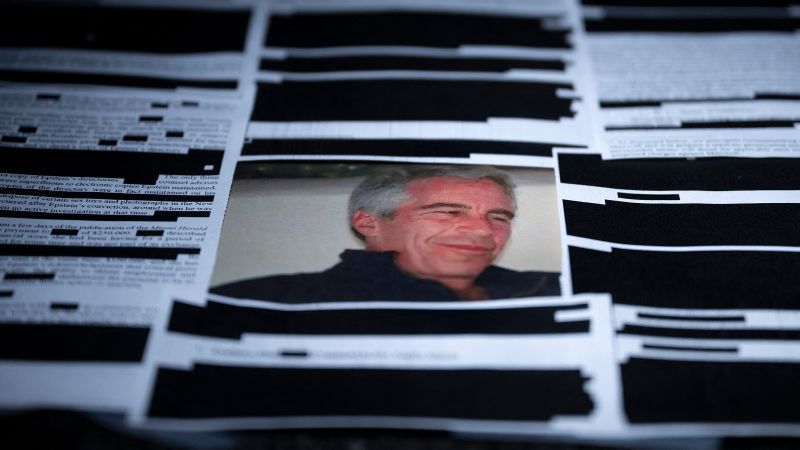
The litigation, initiated by journalist Katie Phang, aims to compel the disclosure of FBI materials pertaining to Epstein while removing certain redactions from correspondence sent to the financier. Sullivan has questioned why handwritten notes recorded by FBI agents during witness interviews several years ago remain excluded from the millions of pages the Justice Department has already made public. Additional concerns involve documents written in foreign languages that relate to Epstein, which have not been released. The judge also noted that the Justice Department has failed to specify when it intends to publish explanations for redactions in the Federal Register, a requirement established by Congress.
A History of Strict Oversight
Sullivan previously directed the Justice Department to provide detailed justifications for withholding certain Epstein records and to clarify why additional information could not be disclosed. When DOJ attorney Andrew Block responded that he had nothing further to add, the hearing shifted into an unexpected direction. The judge delivered an impromptu historical lesson about one of the most significant episodes in the Justice Department’s past—a case he oversaw almost twenty years earlier. Speaking to a packed courtroom, Sullivan recounted how he held Justice Department prosecutors in civil contempt during the criminal prosecution of then-Senator Ted Stevens of Alaska. The prosecutors had failed to maintain proper transparency, and a whistleblower eventually revealed prosecutorial misconduct to the judge. The severity of the situation fundamentally influenced Sullivan’s approach to government attorneys, the DC District Court, and the Justice Department for years to come. In 2008, Stevens received a conviction for corruption. He subsequently lost his reelection campaign that same year. However, the guilty verdict was later overturned after Sullivan discovered that the Justice Department had concealed documents from Stevens’ defense team before the trial commenced. Stevens died in a plane crash in 2010.
“I told the attorneys I had no choice; I was holding each one of them in contempt,” Sullivan explained to the three Justice Department lawyers seated at the counsel’s table on Thursday. “I had no choice … how else was I going to ensure that justice was administered?”
Career Implications for Government Lawyers
Sullivan noted that in previous instances, he had been prepared to sanction Justice Department attorneys and refer them to bar discipline when he determined they had not followed his directives. The stigma associated with a contempt proceeding, he emphasized, could damage the lawyers’ professional standing for the remainder of their careers.
“That’s not a threat. It’s a promise. No one’s in trouble. I’m just bringing it to your attention,” Sullivan clarified.
He repeated multiple times that the Justice Department attorneys involved in Phang’s case were not currently facing any penalties. “I’m just putting everyone on the same page,” Sullivan stated. “I’m just having a conversation.” The judge then invited responses from the attorneys participating in the case. No one rose to speak.
Broader Implications for Transparency
This development highlights ongoing tensions between government agencies and judicial oversight regarding public access to information. The Epstein case has become a focal point for discussions about accountability, particularly given the high-profile nature of individuals connected to the financier and the extensive volume of documents involved. The judge’s reference to the Stevens case serves as both a warning and a reminder of the consequences that can arise when government lawyers fail to meet their obligations. Contempt proceedings represent a serious matter, as they can result in fines, imprisonment, or professional sanctions depending on the circumstances. For the Justice Department, the challenge lies in balancing legitimate concerns about privacy and ongoing investigations with the public’s interest in understanding the full scope of the Epstein investigations. The court’s insistence on compliance suggests that further delays or inadequate explanations could lead to more significant legal consequences. The situation also reflects broader questions about how government agencies handle document disclosure in high-profile cases. With millions of pages already released and many more potentially forthcoming, the process of determining what should be made public and when remains complex and contentious. As the case progresses, all parties will be watching closely to see how the Justice Department responds to the judge’s concerns and whether additional measures will be necessary to ensure full compliance with court orders.
Related Reading
Frequently Asked Questions
What is Epstein judge?
Epstein judge is the main topic of this guide. The article explains the context, practical details, and next steps readers should understand.
Why does Epstein judge matter?
Epstein judge matters because readers are looking for a useful answer, not just a short summary. Good content should match search intent and help them decide what to do next.