Trump is squeezing Iran’s economy and oil sales. It may still have the upper hand in Hormuz

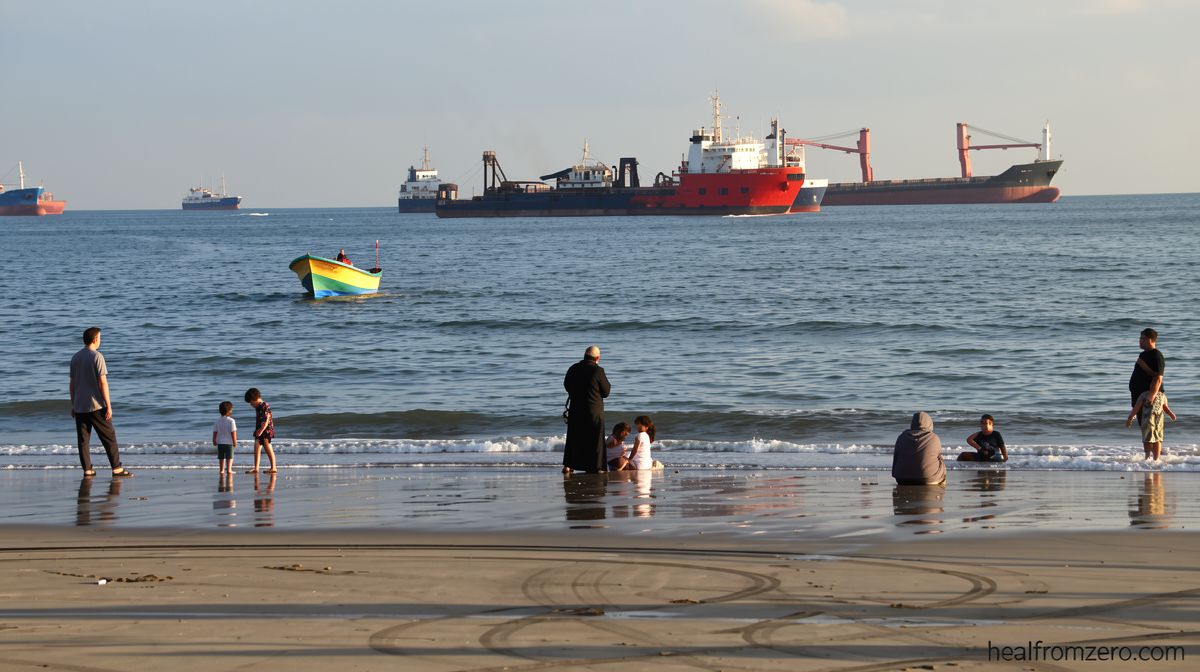
Trump Is Squeezing Iran’s Economy, Yet Hormuz Tells a Different Story
Healfromzero.com – Trump is squeezing Iran’s economy through a sustained campaign of fiscal isolation aimed at the country’s oil sector, but the operational reality along the Strait of Hormuz complicates the narrative Washington prefers. Shipping telemetry compiled by Kpler shows that while Tehran’s ability to choke the waterway has been blunted, the regime still wields enough maritime leverage to keep global energy markets on edge. Neither capital has yet secured a decisive off-ramp, and the contest has settled into a grinding test of endurance.
What the Transit Data Actually Shows
Before hostilities erupted, roughly 130 tankers and cargo vessels transited the strait daily. That figure has collapsed; crossings now frequently fall below double digits, a contraction that signals acute anxiety among shipowners wary of Iranian naval or missile action. Since July 7, Kpler’s transponder and satellite tracking data records an average of only two to three Very Large Crude Carriers per day, compared with approximately eight VLCCs in the pre-conflict baseline.
The reduced transit counts, however, understate the true volume of oil leaving the region. Growing quantities of crude now bypass the strait entirely through alternative pipelines and overland corridors, while other cargoes depend on American naval escorts or covert ship-to-ship transfers in the open Gulf. This porous enforcement dulls the edge of what Tehran hoped would become a decisive energy weapon and eases upward pressure on crude benchmarks—and, by extension, pump prices in the United States. That breathing room gives the administration additional time to sustain the standoff on the expectation that Iranian leadership will eventually concede.
Economic Pain Meets Regime Resilience
The premise behind the squeeze is straightforward: sustained fiscal deprivation will compel Tehran to negotiate from weakness, achieving through economic pressure what military operations have not yet forced. Yet signs of capitulation have been conspicuously absent. Iran continues to strike shipping in the region, disrupting energy flows to global markets and demonstrating that its willingness to impose costs on others remains intact.
“It’s now a matter of who blinks first, if anyone,” Jorge Leon, head of geopolitical analysis at Rystad, an energy consultancy, observed. “There’s this dichotomy… economic pain is higher for Iran than for the US at the moment, but, importantly, political pressure on Iran is much lower.”
The macroeconomic toll is severe. The International Monetary Fund projects a contraction exceeding five percent for the current year—the steepest downturn in nearly four decades. Consumer inflation hovers near eighty percent, and the rial has slid to historic lows against the dollar, pushing many ordinary Iranians into credit just to purchase basic necessities. By any conventional metric, the economy is under extreme strain.
Nevertheless, the absence of mass street protest suggests that the leadership’s tolerance for domestic suffering runs far deeper than Washington may assume. Decades of sanctions have conditioned both the state apparatus and the population to endure prolonged deprivation without triggering the kind of popular upheaval that might destabilize the regime.
“For Iran, the leadership is prepared to absorb a lot more economic pain,” Gregory Brew, a senior analyst at Eurasia Group, a political risk consultancy, assessed. Iran has “absorbed years of US sanctions, and now a long war, and has not backed down.”
The Floating Inventory and the Ticking Clock
On the export side, the United States has tightened its grip by effectively choking off Iranian port loadings. Shipments onto Iranian tankers have dropped to a small fraction of the volumes recorded between February and April, Kpler data indicates. Tehran nonetheless holds a substantial buffer: approximately eighty million barrels of crude already at sea outside the blockade zone, most of it contractually committed to Chinese refiners. At prevailing market prices, that floating inventory generates roughly $1.5 billion per month in revenue, according to Homayoun Falakshahi, head of crude oil analysis at Kpler.
The runway, however, is finite. At a discharge rate of 650,000 barrels per day, the existing stockpile represents approximately four months of export earnings before the pipeline dries up entirely. The question is whether four months is enough time for the squeeze to produce the political concession the administration seeks—or whether the regime’s demonstrated capacity to absorb hardship extends the timeline well beyond Washington’s patience.
Frequently Asked Questions
Is the economic squeeze on Iran’s oil sector producing visible results? Shipping volumes through Hormuz have fallen sharply, and port loadings onto Iranian tankers have dropped to a fraction of their earlier levels. Yet alternative pipelines, overland routes, and naval escorts mean a meaningful share of crude still reaches market. The squeeze is real but incomplete.
How long can Iran sustain itself from its floating crude inventory? At roughly 650,000 barrels per day of discharge, the approximately eighty million barrels already at sea represent about four months of export revenue before the buffer is exhausted.
What does the IMF project for Iran’s economy this year? The Fund forecasts a contraction exceeding five percent, which would mark the steepest downturn in nearly four decades, alongside consumer inflation near eighty percent and a rial at historic lows.
Why hasn’t the economic pressure triggered mass protest in Iran? Analysts point to decades of sanctions that have conditioned both the state and the population to endure prolonged deprivation. The leadership, per Eurasia Group’s Gregory Brew, appears prepared to absorb substantially more pain before any political concession becomes likely.