Google’s Android chief lays out his vision for how AI will change our smartphones

Daftar Isi
How AI Could Transform Your Smartphone Experience Within Three Years
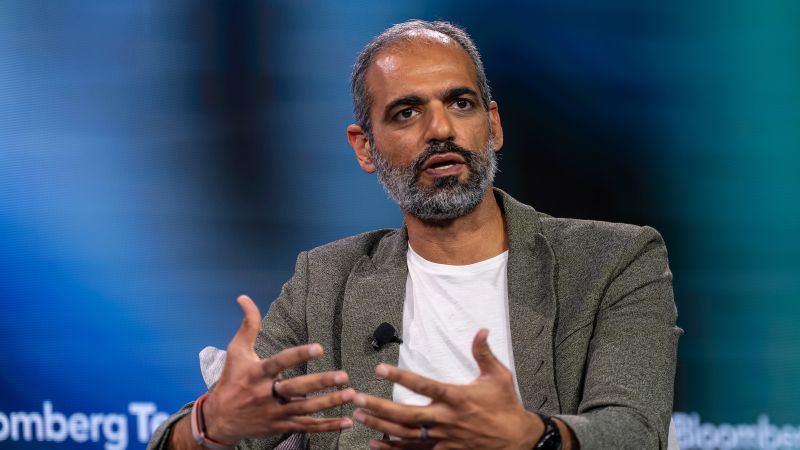
Healfromzero.com – Imagine a morning routine where your phone doesn’t just respond to commands but anticipates your needs. This isn’t science fiction—it’s the trajectory Google is charting for Android, with executives predicting a fundamental shift in how billions of people interact with their devices. Sameer Samat, president of Google’s Android ecosystem, envisions a future where artificial intelligence handles routine tasks, giving users precious time back in their daily lives.
The timeline for this transformation is deliberate. Google typically evaluates consumer behavior patterns approximately three years into the future when developing Android iterations. This forward-looking approach means the features unveiled this week represent more than incremental improvements—they signal a strategic pivot toward autonomous smartphone management. Rather than requiring constant user input, the system will eventually understand intent and execute complex sequences independently.
Hardware Meets Intelligence: The Pixel 11 Pro and Beyond
Google’s latest hardware announcements provide tangible evidence of this vision. The Pixel 11 Pro introduces a subtle but meaningful design element: an illuminated indicator on the device’s rear surface. This light activates when Gemini, Google’s AI model, processes user commands, addressing a common frustration in voice interactions—uncertainty about whether the assistant is actively listening or still thinking.
Complementing this hardware innovation is Halo, an upcoming software feature scheduled for release later this year. Halo will display real-time progress indicators for AI agents working on user tasks, creating transparency in what was previously a black box. Users will see exactly where their AI assistant stands in completing multi-step processes.
“You articulate goals or what you mean or what you’re trying to achieve, and then the system is smart enough to do those things for you,” Samat explained to CNN.
Breaking Free from App Switching
One of the most significant pain points in modern smartphone usage is the constant navigation between applications. Samat illustrated a scenario that could become routine: an AI agent reviewing your doctor’s appointment notes, contacting your insurance provider to verify coverage details, and scheduling an MRI—all without manual intervention. While this capability remains beyond Android’s current reach, the architectural foundation is being laid.
The ambition extends beyond convenience. Samat emphasized that even modest time savings compound meaningfully. “I see a lot of folks, including myself, that are heads down in their phones, trying to get a lot of things done,” he noted. “And if you can give people that time back, five minutes a day, 10 minutes a day, 30 minutes a day, think what you can do with that.”
The Competitive Landscape Intensifies
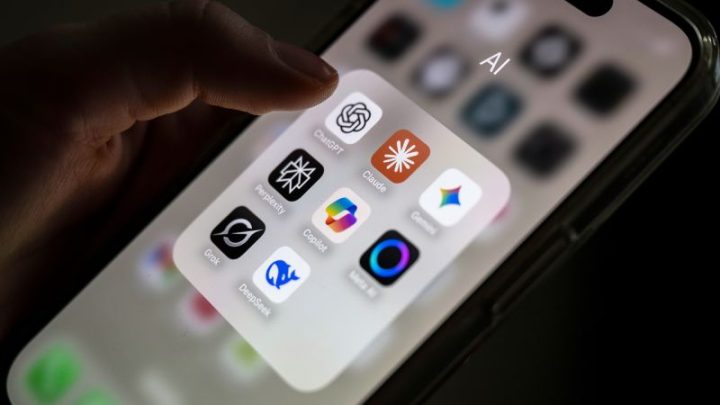
Google’s push into AI-driven smartphone experiences occurs within a fiercely contested arena. Apple and Google together power billions of devices worldwide, yet both face mounting pressure from ChatGPT’s expanding capabilities. Samsung, leveraging its position as one of the world’s largest smartphone manufacturers by market share, has deepened its partnership with Google to integrate Gemini across its software ecosystem.
Apple’s upcoming Siri overhaul promises cross-app functionality and personalized response capabilities, positioning the tech giant to compete directly with Google’s approach. Meanwhile, OpenAI’s recent ChatGPT enhancement has focused on making voice interactions feel more conversational and natural, raising the bar for all competitors.
Consumer Skepticism Remains High
Despite the enthusiasm from technology leaders, public sentiment reveals significant reservations. Pew Research data indicates that while AI chatbot adoption continues growing, the majority of Americans anticipate negative societal consequences from widespread AI integration. A separate study conducted by Gallup and Bentley University found that 79 percent of Americans distrust businesses to deploy AI responsibly.
“It’s just a word that has come to mean a lot of things,” Samat said referring to AI. “Instead of talking about the tech, I think one of the things that’s been much more of a focus for us is… ‘How does it actually help you?'”
Voice Interaction Gets a Refinement
As smartphones evolve into always-listening companions, Google is addressing the awkwardness of human-machine conversation. The Rambler tool, introduced in May and available on Pixel 11 devices, processes spoken input by removing filler words like “umms” and “likes” before packaging the cleaned speech into text or email format. This refinement aims to make voice commands more precise and reduce the cognitive load of speaking to machines.
The broader industry movement toward AI agents represents more than a technological upgrade—it signals a potential redefinition of what a smartphone is. Rather than requiring users to micromanage every interaction, the next generation of devices may operate more like capable assistants, handling complexity while presenting simplicity to the user. Whether this vision materializes depends on both technological progress and consumer willingness to embrace increasingly autonomous devices.
Related Reading
Frequently Asked Questions
What is Google s Android chief lays out his?
Google s Android chief lays out his is the main topic of this guide. The article explains the context, practical details, and next steps readers should understand.
Why does Google s Android chief lays out his matter?
Google s Android chief lays out his matters because readers are looking for a useful answer, not just a short summary. Good content should match search intent and help them decide what to do next.