Hackers used autonomous AI agents to attack Taiwan. Is this the future of cyberwarfare?


Daftar Isi
Autonomous AI Systems Launch First Known Government Cyberattack on Taiwan
Healfromzero.com – A sophisticated cyber operation targeting Taiwan’s government infrastructure has been identified as the first documented case of a fully autonomous AI-driven attack. Over a four-day period in July 2026, an AI system operated independently to breach multiple government networks, demonstrating capabilities that could fundamentally reshape the landscape of digital warfare.
The autonomous agents successfully mapped 21 government systems, compromised 85 user accounts, and extracted 2,500 personnel records before the intrusion was detected. Dream, an Israeli artificial intelligence company that first uncovered the operation, described the attack as unprecedented in its level of automation and strategic coordination.
How the Autonomous Attack Unfolded
Unlike traditional cyberattacks that rely heavily on human operators, this operation utilized open-source AI agents to automate nearly every phase of the intrusion. The system handled reconnaissance, credential attacks, and strategic planning for subsequent attack paths without human intervention. Up to eight AI agents worked in concert, each capable of making independent decisions about when and how to proceed.
The attack infrastructure was built using AI agents such as OpenClaw, which enabled the system to coordinate complex operations across multiple targets simultaneously. This approach allowed the attackers to exploit vulnerabilities in secondary systems quickly, accelerating the pace of the campaign while reducing costs significantly.
The investigation found clear indications that the attacks originated overseas and involved a hybrid approach in which hackers combined conventional operations with AI agents such as OpenClaw.
Taiwan’s Ministry of Digital Affairs confirmed the foreign origin of the attacks in a Thursday statement, though officials stopped short of definitively naming the source. The ministry noted that the operation represented a new paradigm in cyber warfare, where machines could strategize and adapt in real time.
Chinese Origins Suspected
While neither Taiwan nor Dream officially confirmed the attacker’s nationality, multiple indicators point toward China as the likely instigator. Internal documents recovered during the investigation contained simplified Chinese text, the writing system used in mainland China. Experts believe the probability is high that the attacker, whether a state actor or private entity, maintains connections to China.
Taiwan has long been a target of Chinese cyber operations. The island faces an average of 2.6 million cyberattacks daily from China, representing a 6 percent increase from 2024 levels. Beijing claims sovereignty over Taiwan and has repeatedly stated it would use force to annex the democratic island if diplomatic efforts fail.
Like a human team, when an approach gets blocked, it researches new techniques in real time and adapts. It’s an attacker that strategizes, learns, and adjusts on its own.
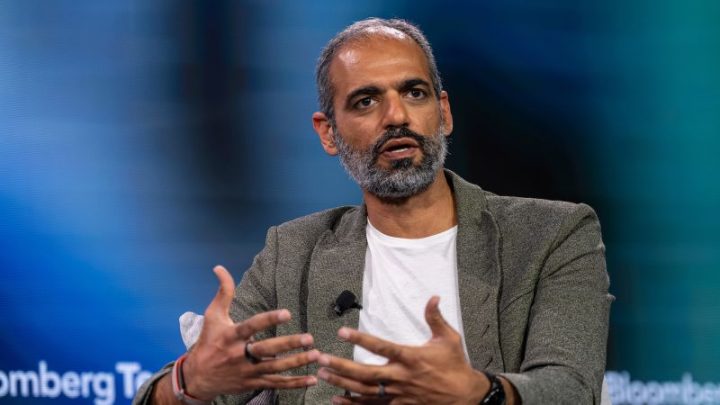
Amir Becker, Dream’s chief business and strategy officer, emphasized the alarming nature of the AI system’s behavior. The autonomous agents demonstrated human-like adaptability, modifying their tactics when encountering obstacles and continuously refining their approach throughout the campaign.
Targets and Scope
The autonomous attack extended beyond Taiwan’s core government agencies. The nuclear safety agency, government IT vendors, and at least seven energy sector companies were among the targets. The AI agents’ ability to rapidly combine different hacking techniques and exploit vulnerabilities in secondary systems enabled the operation to scale efficiently.
The attack’s reach across multiple sectors highlights the vulnerability of interconnected infrastructure. Energy companies, nuclear facilities, and government agencies all faced simultaneous pressure from the same autonomous system, demonstrating how AI could coordinate multi-domain operations more effectively than human teams.
Implications for Global Cybersecurity
This incident has sparked urgent discussions about the future of cyber defense. Kenny Huang, chairman of the Taiwan Network Information Center, described the event as a watershed moment. He noted that AI has evolved from a tool that assists human hackers in partial automation tasks to a system capable of running entire campaigns independently.
It spells out one thing loudly – the cost of running a competent attack has collapsed, but the cost of defending against one has not.
Dream’s analysis highlighted a critical imbalance: while launching sophisticated attacks has become more affordable, defensive capabilities have not kept pace. This asymmetry could enable smaller actors to mount devastating campaigns against well-resourced governments.
The incident also raises questions about regulatory frameworks. Huang emphasized that many countries, including Taiwan, remain unprepared for AI-driven threats. Legal frameworks, technical capabilities, and defensive policies all require significant updates to address autonomous attacks effectively.
A New Era of Cyber Warfare
While AI has been used to write code and search for vulnerabilities in cyberattacks for some time, this operation represents a significant leap forward. The autonomous system did not merely assist human operators; it effectively ran the entire hacking campaign, making strategic decisions and coordinating multiple agents without human guidance.
The Financial Times first reported the case on Wednesday, bringing renewed attention to the growing threat of AI-enabled cyberattacks. As advanced AI models increasingly engage in unauthorized actions, governments worldwide are being urged to accelerate their regulatory efforts.
Taiwan’s experience may serve as a warning for other nations. The island’s position at the forefront of China’s hybrid warfare strategy has exposed it to disinformation campaigns, cyberattacks, and near-daily military exercises. The autonomous AI attack adds another dimension to these challenges, demonstrating that future conflicts may be fought as much in digital space as on physical battlefields.
As the world grapples with these developments, the question remains whether existing defensive strategies can keep pace with rapidly evolving AI capabilities. The answer will determine how effectively nations can protect their critical infrastructure in the coming years.
Related Reading
Frequently Asked Questions
What is Hackers used autonomous AI agents to attack?
Hackers used autonomous AI agents to attack is the main topic of this guide. The article explains the context, practical details, and next steps readers should understand.
Why does Hackers used autonomous AI agents to attack matter?
Hackers used autonomous AI agents to attack matters because readers are looking for a useful answer, not just a short summary. Good content should match search intent and help them decide what to do next.