What we know about the controversial border security project in and near Big Bend National Park

What We Know About the Controversial Big Bend Border Project
Healfromzero.com – What we know about the controversial border-security initiative unfolding in and around Big Bend National Park has shifted rapidly over the past week. In the summer of 2026, federal crews brought heavy machinery into one of the most ecologically sensitive stretches of Chihuahuan Desert wilderness left in the United States, triggering an outcry that has traveled from West Texas ranching communities all the way to the hearing chambers in Austin. The federal government has now ordered a temporary halt to construction inside the park, yet the pause has failed to assuage the fears of conservationists, outdoor-industry operators, and local ranchers who view the broader regional plan as far more sweeping than a two-week work stoppage.
The Temporary Halt and What It Does—and Does Not—Mean
On Tuesday, Rodney Scott, director of US Customs and Border Protection, declared that all construction activity within the national park would be suspended for at least fourteen days. The announcement followed days of bipartisan pressure and a trip by Scott to the border region, where he sat down with sheriffs and judges from surrounding counties. Two of the sheriffs present later confirmed that Scott reaffirmed the agency’s stated position: no conventional border wall will be built inside the park boundaries. He also signaled openness to scrapping plans for newly graded patrol roads in favor of routes already on the ground.
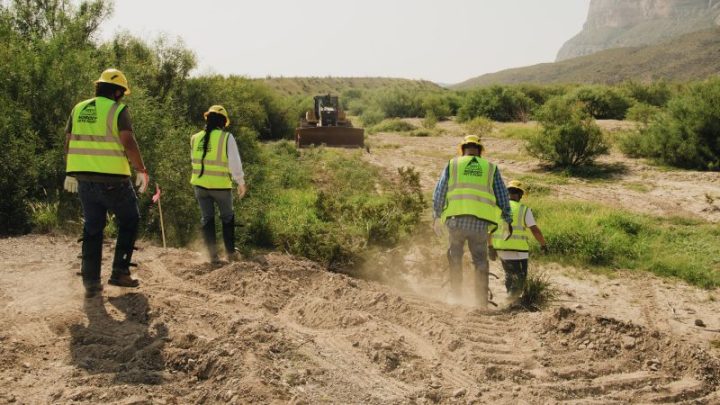
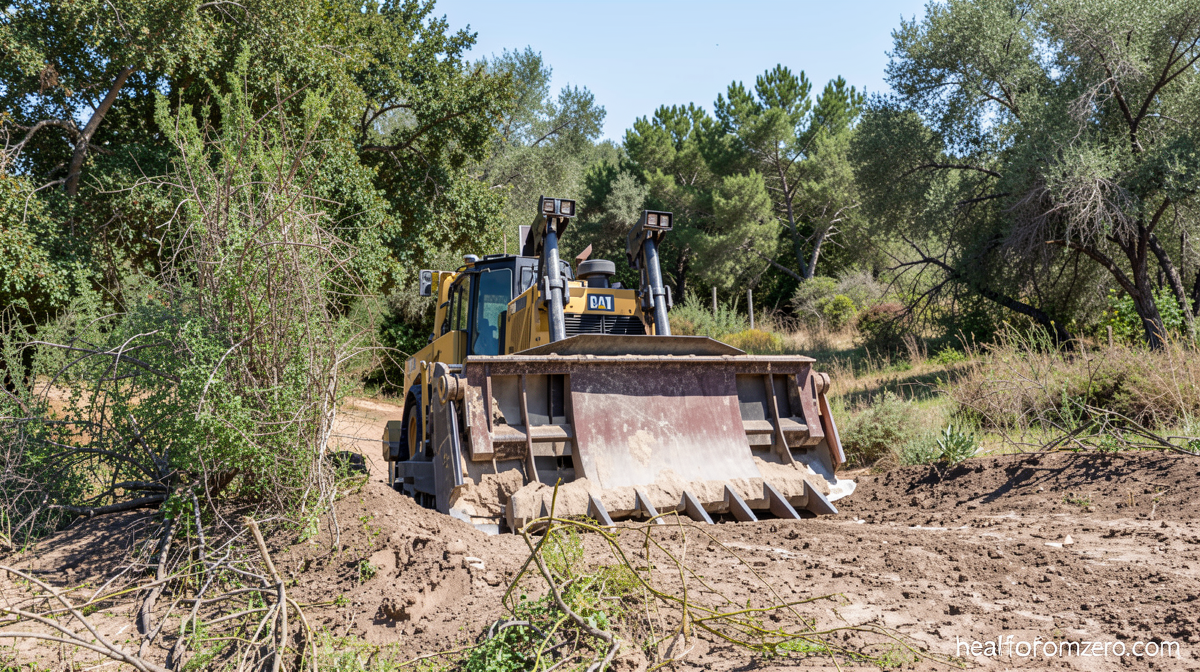
By Wednesday afternoon, the excavators and grading equipment that had been tearing through park terrain for approximately two weeks were visibly being towed out of the active work zones. The stoppage, however, is framed as interim rather than final. The overarching federal schedule calls for completion of border-wall segments and associated security infrastructure before President Donald Trump leaves office, and Big Bend falls squarely inside that deadline.
What the Park-Specific Design Actually Calls For
Contrary to popular imagery, the current Big Bend National Park plan does not envision a continuous concrete or steel barrier. The design instead centers on vehicle barriers, newly graded patrol roads, and upgrades to routes already present. Even so, the machinery that rolled in earlier this month had already bulldozed and excavated portions of parkland before the pause took hold. Opponents of the project argue that even infrastructure short of a wall—compacted soils, cut roadbeds, added lighting, and rerouted drainage—can sever the habitat corridors on which jaguar, ocelot, and dozens of bird species depend in what remains one of the last contiguous tracts of Chihuahuan Desert wilderness in the country.
Just beyond the national park boundary, Big Bend Ranch State Park confronts its own slate of proposed border measures. Because a substantial share of the ranch park’s acreage overlaps with publicly available Texas hunting lands, any alteration there carries immediate consequences for state sportsmen and for wildlife populations already running thin across the arid landscape.
Voice from the Austin Hearing
Hours before the Texas Parks and Wildlife Commission convened its annual public hearing on Wednesday, a crowd of opponents assembled outside the commission’s Austin headquarters for a rally. Inside, dozens of speakers—many visibly emotional—urged the panel to protect the Big Bend landscape from further encroachment and to hold the federal government to existing environmental and cultural-review obligations.
Grahame Jones, executive director of the Texas Conservation Alliance and a former state game warden with twenty-seven years of service, framed the stakes in terms of identity rather than mere acreage.
“Big Bend is more than one park,” Jones told the commissioners. “It is local communities, the Rio Grande, public lands, sacred places, ranches, working lands, wildlife habitat, history, culture and for many people here today, a state of mind.”
“We can secure the border without needless construction and permanent damage to this incredible place,” he added.
Lydia Saldaña, a former employee of the Texas Parks and Wildlife Department, made a direct appeal to the panel.
“Big Bend is sacred territory for Texas,” Saldaña said. “We’re asking you to stand up for Big Bend.”
“No one expects this commission to single handedly stop the federal government, but you can slow the roll.”
Hunters, Students, and the Economics of the Valley
Jake Walker, policy chair of the Texas chapter of Backcountry Hunters and Anglers, cautioned that even modest landscape alterations—barriers, excavations, or added lighting—could disrupt the movement patterns of game animals in a region where wildlife density is already sparse. What we know about the controversial project’s downstream effects on hunting seasons, outdoor-recreation revenue, and rural tax bases remains incomplete, but local business owners say the uncertainty alone is already chilling investment in the valley.
Frequently Asked Questions
Is a traditional border wall being built inside Big Bend National Park? No. US Customs and Border Protection director Rodney Scott confirmed to local sheriffs that no conventional wall will be erected within the park. The current design calls for vehicle barriers, graded patrol roads, and upgrades to existing routes.
How long will the construction pause last? Scott announced a minimum two-week suspension of all construction activity inside the park. The pause is explicitly temporary; the broader federal timeline targets completion of border-security infrastructure before the end of the current presidential term.
What species are most at risk from the proposed infrastructure? Conservationists point to jaguar, ocelot, and numerous bird populations that rely on contiguous Chihuahuan Desert habitat. Fragmentation from cut roads, compacted soils, and altered drainage could sever critical movement corridors.
What role can the Texas Parks and Wildlife Commission play? The commission cannot unilaterally halt federal construction, but it can use its regulatory and advisory leverage to slow the process, enforce environmental-review standards, and amplify public opposition to further encroachment on state-managed lands adjacent to the park.