Almost 30 years after Tupac was killed, a jury has been seated for a trial in his murder

Almost 30 Years After Tupac: Jury Seated for Murder Trial
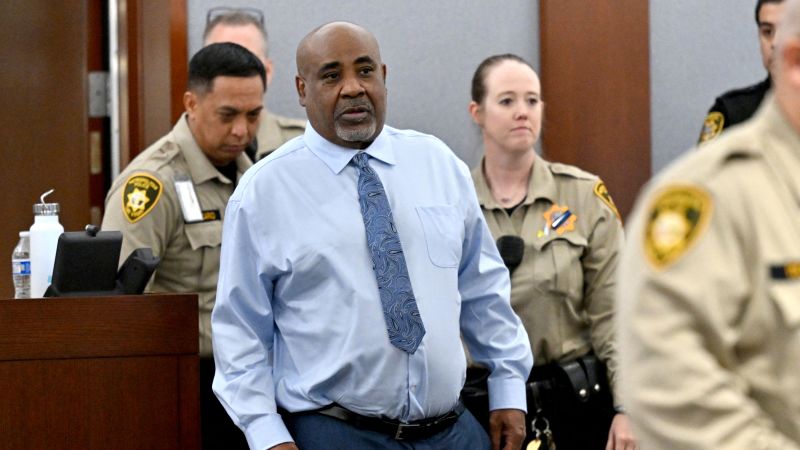
Healfromzero.com – Almost 30 years after Tupac was killed, a Las Vegas courtroom has finally assembled twelve jurors who will determine whether Duane “Keffe D” Davis orchestrated the 1996 shooting that ended the rapper’s life. The 63-year-old defendant stands alone in this historic case, facing charges that have captivated hip-hop fans and legal observers for nearly three decades.
Clark County court officials questioned more than 100 potential jurors before selecting the final panel of ten women and six men. The group includes a self-improvement coach and a mail carrier—ordinary citizens now tasked with potentially solving one of music’s most enduring mysteries. The youngest juror, just 21 years old, was born nine years after Shakur’s death.
Gang-Related Murder Charges
Davis faces first-degree murder with a deadly weapon, charged with promoting and assisting a criminal gang. Prosecutors argue that while Davis didn’t personally fire the fatal shots, he masterminded the entire operation. Central to their case is Davis’s memoir, “Compton Street Legend,” which prosecutors claim contains key admissions about his involvement in the shooting.
The judge ruled that both the memoir and Davis’s earlier police interviews qualify as admissible evidence. This ruling allows the jury to consider the book’s contents even though Davis characterized it as fiction during court proceedings.
Seating an Informed Jury
Chief Deputy District Attorney Binu Palal noted that finding jurors completely unfamiliar with Tupac Shakur would be nearly impossible given the rapper’s cultural ubiquity. The challenge became apparent when one potential juror asked, “Is he a singer?” prompting laughter throughout the courtroom.
Despite the difficulty, the selection process produced promising results. The 21-year-old juror expressed familiarity with Shakur’s music, noting he listens to the artist when he wants a “West Coast feel.” This generational span among jurors reflects the enduring appeal of Shakur’s work across decades.
The courtroom quickly became a tribute to the late rapper. On August 10, attendees filled the room wearing Tupac shirts, some with tattoos peeking from beneath their sleeves. By the second day, strict dress code rules were posted: “Clothing, hats, buttons, pins or other items that show names, photos, images, messages or symbols related to the case are not allowed.”
“It’s very important that I’m here,” said Darryl Harper, one of Shakur’s labelmates at Death Row Records, who flew from Georgia specifically for the trial. “I want fans to know I was here, still supporting Tupac.”
Harper, who traveled across the country to witness the proceedings, expressed a dual desire: he wants justice for his lost friend, but he also hopes the verdict will be accurate. “I don’t want them to get just anyone to say they solved the Tupac case,” he noted.
What Comes Next
Davis appeared in court each day of jury selection, maintaining a quiet demeanor as he followed along while potential jurors answered questions from Judge Carli Kierny and attorneys. The questioning covered topics central to the case: gangs, guns, rap music, and the nature of memory and facts.
On the first day, Davis waived his right to be sentenced by the jury. The trial is expected to begin in the coming months, with prosecutors and defense attorneys preparing their final arguments for the twelve citizens who will decide the fate of one of hip-hop’s most iconic figures.
Frequently Asked Questions
When did Tupac Shakur die? Tupac was shot on September 7, 1996, and died four days later on September 13, 1996, in Las Vegas.
Who is Duane “Keffe D” Davis? Davis is a former Crip gang member from Compton, California, who has been charged with first-degree murder in connection with Tupac’s shooting.
What evidence is being used against Davis? Prosecutors are relying on Davis’s memoir “Compton Street Legend,” his earlier police interviews, and testimony from witnesses who were present at the shooting.
How long has this case been pending? The case has been in legal limbo for nearly 30 years, with multiple delays and appeals before the trial finally moved forward.
Where is the trial taking place? The trial is being held in Clark County, Nevada, where the shooting occurred and where Davis was arrested.