Trump’s sanctions, inflation and a collapsing economy leaves Iran’s sick exposed

Daftar Isi
Iran’s Medicine Shortages Deepen as Prices Rise and Supplies Run Thin
Healfromzero.com – For many Iranians living with serious illnesses, obtaining essential medicine has become a daily race against empty shelves, rising prices and shrinking household budgets. The strain is particularly acute for patients who rely on imported drugs or specialized treatments that cannot easily be replaced by local alternatives.
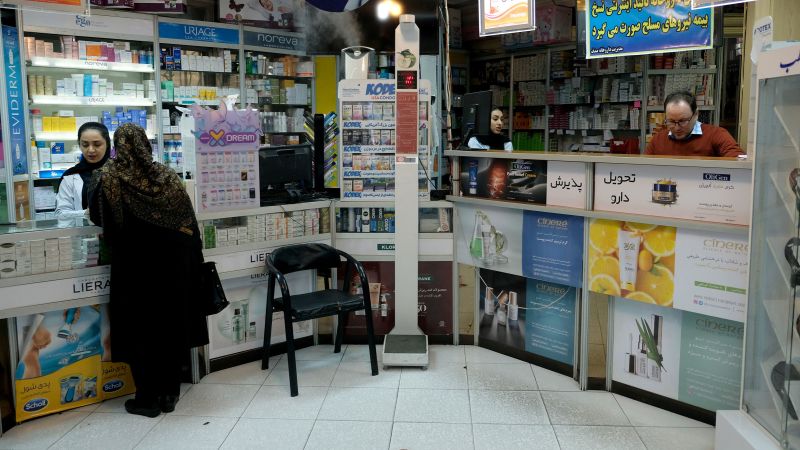
Sima, a 35-year-old resident of Tehran, recently searched through seven pharmacies before finding the medicine she needs to protect her kidney function. The drug was available only in an affluent part of the capital, and its price had increased again. Faced with the cost, she decided to take less than the prescribed amount.
She asked that her real name not be used because she feared speaking openly could create problems for her. Her experience reflects a wider health crisis shaped by inflation, disrupted imports, insurance debt and the difficulty of accessing foreign currency.
“They’ve stopped using cancer medication for people who they say are terminal or far along,” Sima said. “They only use it for those who are in the very early stages.”
Patients Forced Into Difficult Choices
People with chronic conditions are increasingly reducing doses, postponing appointments or switching treatments without the guidance they need. In some cases, patients are turning to locally made generic drugs when the prescribed product is unavailable or unaffordable. While domestic medicines remain important to Iran’s health system, a generic substitute may not always match a patient’s original treatment plan.
A Tehran mother who lost her only daughter has had to replace her antidepressant with a domestic version she considers less effective. Seasonal influenza vaccinations were canceled this year after authorities failed to obtain supplies from Europe. Cancer patients have sold household belongings, including televisions and refrigerators, to afford medicines whose prices have climbed far beyond their reach.
One 55-year-old cancer patient in Tehran said she has begun asking travelers arriving from overseas to bring back drugs that can no longer be found locally. The combination of illness and uncertainty surrounding the conflict has left her unsure where to turn.
“Everyone says we’re brave,” the patient said. “But I don’t know if being brave means anything when you’re dying.”
Shortages Reach Beyond Specialized Treatments
Pharmacies have confirmed growing difficulties with several categories of medicine. Some heart medications are now supplied only as local generics instead of the originally prescribed brands. Cholesterol drugs can still be found in some cases, but at substantially higher prices. Migraine treatments have disappeared from pharmacy shelves entirely.
The problem extends well beyond those examples. Antidepressants, insulin, pregnancy-related medications and other essential treatments have also been affected. Some drugs are simply unobtainable, leaving patients to either pay extreme prices through informal channels or accept an alternative that may be less suitable for their condition.
Shahram Kalantari, head of the Iranian Pharmacists Association, said last month that shortages had affected nearly 800 medicines. Rising costs have made it difficult for pharmacies to secure replacement stock, even when alternatives exist.
Domestic Production Has Limits
Iran produces more than 97% of its medicines by volume, Mehdi Pirsalehi, who leads the country’s Food and Drug Organization, said in February. That figure illustrates the scale of local pharmaceutical production, but it does not eliminate dependence on global supply chains.
Imported materials, laboratory equipment and technology remain necessary for many locally manufactured medicines. Specialized therapies and high-cost drugs also often require direct imports. These products must generally be paid for in foreign currency, making them especially vulnerable when access to dollars and other currencies is restricted.
US President Donald Trump’s maximum-pressure campaign has increased pressure on Iranian banks and obstructed oil exports, a crucial source of foreign currency for the country. The resulting financial constraints have made it harder to finance medical imports and purchase the components required for pharmaceutical production.
Peivand Bastani, a senior lecturer at Flinders University who has studied sanctions and pharmaceutical procurement in Iran, has emphasized that high domestic output should not be mistaken for full independence from outside suppliers. A country can manufacture most of its medicine by volume while still facing severe exposure in the areas of raw materials, advanced technology and complex treatments.
Insurance Debt Adds Pressure to Pharmacies
The crisis is also being driven by delayed insurance payments. Iranian officials have said pharmacies are struggling to restock because insurance companies have not paid their bills. For patients with insurance, a prescription that once reduced costs may now yield no medicine at all, or require substantial out-of-pocket payment.
More than 18,000 private pharmacies are awaiting payment from insurers, officials from the Iranian Pharmacists Association said last month. Outstanding insurance debt to pharmacies has reached nearly 800 trillion rials, or about $300 million.
This creates a damaging cycle. Pharmacies lack the money to replace inventory, patients encounter shortages, and families already hit by inflation must cover costs that insurance was supposed to absorb. For people managing cancer, kidney disease, heart conditions or mental-health needs, delays in treatment can carry consequences far beyond financial hardship.
Iran’s medicine shortage is therefore not only a question of whether a drug exists somewhere in the country. It is also about whether a patient can locate it in time, whether a pharmacy can afford to stock it and whether a family can pay for it when insurance no longer works as expected. For those whose treatment cannot wait, each of those obstacles can become a matter of survival.
Related Reading
Frequently Asked Questions
What is Trump s sanctions inflation and a collapsing?
Trump s sanctions inflation and a collapsing is the main topic of this guide. The article explains the context, practical details, and next steps readers should understand.
Why does Trump s sanctions inflation and a collapsing matter?
Trump s sanctions inflation and a collapsing matters because readers are looking for a useful answer, not just a short summary. Good content should match search intent and help them decide what to do next.