States sue to stop Trump rule that would make it harder for some immigrants to get green cards

Daftar Isi
Coalition of States Challenges Expanded Public Charge Standard
Healfromzero.com – A group of 22 states, led by New York and joined by the District of Columbia, has filed suit to prevent a new Department of Homeland Security policy from taking effect. The rule, scheduled to begin Friday, would give immigration officials broader authority to weigh an applicant’s possible use of public assistance when deciding whether to grant green cards, visas or admission to the United States.
The dispute centers on the long-standing “public charge” provision in immigration law. Under that concept, federal officials can refuse immigration benefits to someone believed likely to become dependent on government support. The pending policy would significantly widen how that assessment can be made, potentially affecting immigrants who receive, or are considered likely to need, programs such as Medicaid, food assistance or housing vouchers.
New York and Cities Seek to Block the Rule
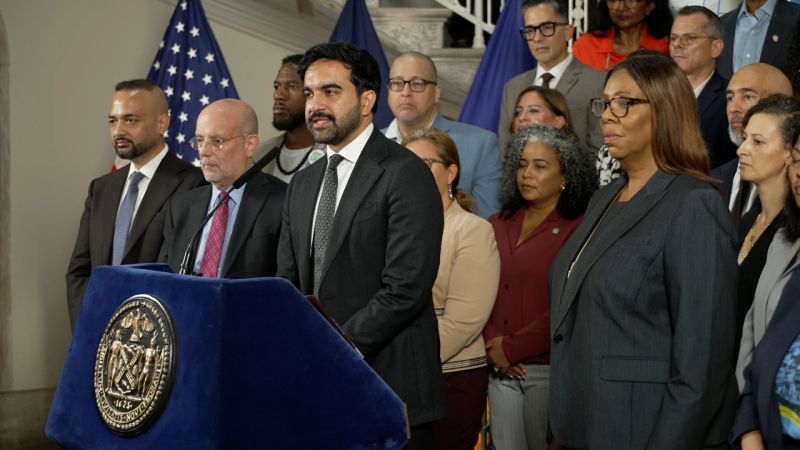
New York Attorney General Letitia James is leading the state lawsuit, which was filed Monday morning in the Southern District of New York. The legal action does not seek financial compensation from the federal government. Instead, the plaintiffs want the court to stop the rule, set it aside and bar DHS from applying it.
New York City Mayor Zohran Mamdani is expected to announce a parallel lawsuit involving a coalition of local governments. That group is expected to include Chicago, San Francisco, Seattle, Santa Clara County in California and King County in Washington.
The plaintiffs argue that the revised standard could prompt immigrants and mixed-status households to leave benefit programs out of concern that participation could harm an immigration case. States say that outcome could also place billions of dollars in federal funding at risk, particularly in communities where public programs serve large immigrant populations.
“Hardworking families should not be forced to go without the support they need because they fear asking for assistance will get them deported,” James said in a release. “This rule preys on that fear and counts on families forfeiting the food assistance, health care coverage, and other public benefits to which they are legally entitled.”
What Would Change Under the New Policy
For many years, public-charge reviews generally focused on direct cash aid, including Temporary Assistance for Needy Families and Supplemental Security Income. Non-cash programs were not traditionally treated in the same way.
The first Trump administration expanded the list of programs immigration officials could take into account in 2020, adding benefits that included Medicaid, food stamps and housing vouchers. In 2022, the Biden administration issued a replacement rule that again excluded non-cash assistance, largely restoring the earlier approach.
The DHS policy due to take effect this week would rescind the Biden-era framework. It goes further than the 2020 version because it does not list specific programs that may be considered. Instead, the policy says DHS will examine the receipt of any means-tested public benefit.
That wording is at the heart of the legal challenge. The states contend that the lack of a defined list leaves too much discretion with immigration officials and makes it difficult for families to understand the potential consequences of seeking assistance. The rule could also allow officers to review benefits requested for relatives, including children who are US citizens, Maddie Geschu, director of policy and advocacy at the Protecting Immigrant Families Coalition, said in July.
Who Could Be Affected
The policy concerns people who already hold lawful immigration status in the United States and are seeking a visa, green card or entry decision. Undocumented immigrants are not eligible for public benefits.
Immigration advocates and the plaintiffs say the practical effect could reach beyond the individuals directly applying for an immigration benefit. In families with members holding different immigration statuses, concern about a public-charge determination may lead eligible relatives or US-citizen children to avoid health coverage, nutrition assistance or housing support.
That possibility is especially significant for large cities with substantial immigrant populations. New York City, for example, relies heavily on federal funding for programs that assist residents with food, health care and housing needs. The expected local-government lawsuit argues that discouraging enrollment could undermine systems intended to keep families stable and healthy.
Legal Arguments in the Challenge
New York and the other plaintiffs maintain that DHS has exceeded the authority granted by Congress. Their complaint argues that Congress did not authorize such an expansive reading of who may be deemed a public charge.
The lawsuit also alleges that the policy is arbitrary and capricious, a legal standard often used to challenge federal agency actions. The states claim DHS failed to adequately explain the change and did not properly account for its anticipated harms, including the likelihood that eligible families could withdraw from essential programs.
The public-charge concept itself is far from new. It dates to the Immigration Act of 1882, when lawmakers sought to ensure that newcomers could support themselves rather than become dependent on public resources. Its application, however, has shifted repeatedly with changes in federal policy and presidential administrations.
The latest court fight will determine whether DHS can implement its broader standard on the planned schedule. Until a judge rules, the case places renewed attention on how immigration rules can influence decisions about health care, food support and housing assistance for families navigating the immigration system.
Related Reading
Frequently Asked Questions
What is States sue to stop Trump rule?
States sue to stop Trump rule is the main topic of this guide. The article explains the context, practical details, and next steps readers should understand.
Why does States sue to stop Trump rule matter?
States sue to stop Trump rule matters because readers are looking for a useful answer, not just a short summary. Good content should match search intent and help them decide what to do next.