Hong Kong’s Tiananmen vigil fell dark years ago. Now its organizers have been convicted

Hong Kong’s Tiananmen Vigil Organizers Convicted
Healfromzero.com – Hong Kong’s Tiananmen vigil, once the city’s most visible annual remembrance of the 1989 crackdown, has now reached its final legal chapter. Two senior figures who helped stage the candlelight gathering every June were found guilty of inciting subversion at West Kowloon Court on Friday. Under the national security statute Beijing imposed on the territory in 2020, each faces a maximum sentence of ten years in prison.
The defendants are Chow Hang-tung, a young human-rights lawyer who chose to represent herself, and Lee Cheuk-yan, a former opposition legislator. Both had been leading voices within the Hong Kong Alliance in Support of Patriotic Democratic Movements of China, the body that organized the annual observance until the tradition was effectively extinguished in the aftermath of the 2019 pro-democracy upheaval. A third figure tied to the case, veteran legislator Albert Ho, had already entered a guilty plea and awaits sentencing at a later date.
Three Decades of Candlelight, Then Silence
On June 4, 1989, Chinese military units rolled tanks into Beijing’s Tiananmen Square to suppress a broad-based, student-led campaign demanding political reform and an end to one-party governance. No authoritative death toll has ever been published by the Chinese government, though independent estimates range from several hundred to several thousand killed, with far more wounded. Across the mainland the episode remains heavily censored, and open discussion is effectively prohibited.
In the territory, however, the memory took a different form. Beginning in the years after the crackdown, mourners filled Victoria Park in Causeway Bay — a green space large enough to hold multiple soccer pitches — with thousands of lit candles each June 4. The gathering grew into one of the city’s most recognizable annual observances, drawing enormous crowds who called for full democratic governance and an end to single-party rule across China. It persisted through the 1997 handover from Britain and continued alongside a political framework that permitted pro-democracy candidates to contest legislative seats.
That framework collapsed after the massive, frequently violent street protests of 2019. In their wake, Beijing introduced a package of national-security offenses that redefined lawful public expression in the city. The annual observance was quietly discontinued, and its disappearance has become one of the most visible symbols of how rapidly the territory’s public space has been reshaped.
What the Court Heard
Prosecutors argued that the Alliance’s continued advocacy — specifically its calls for an end to what they described as “one-party dictatorship” — constituted an attempt to unlawfully overthrow China’s fundamental political system and central governing bodies. By persisting in that advocacy after the national-security law took effect, the prosecution contended, the group’s conduct amounted to subversion. They further alleged that the Alliance organized a series of public events designed to cultivate hostility toward Beijing, with the June 4 remembrance cited as a principal example.
The defense rejected the characterization. Counsel for the defendants maintained that their campaign was directed toward advancing democratic governance, not toward dismantling the state apparatus. They argued that calling for political reform within the constitutional framework was a legitimate exercise of free speech, not an act of subversion.
The verdict landed just days after President Xi Jinping, in a speech that made a rare public reference to the 1989 turmoil, endorsed the decision to suppress the Tiananmen protests. The timing underscored how closely the proceedings track the mainland’s official narrative on the episode. Hong Kong’s executive government, responding to inquiries ahead of the ruling, issued a statement through its spokesperson:
“The HKSAR Government strongly condemns any biased remarks and smears against the HKSAR’s effort for safeguarding national security.”
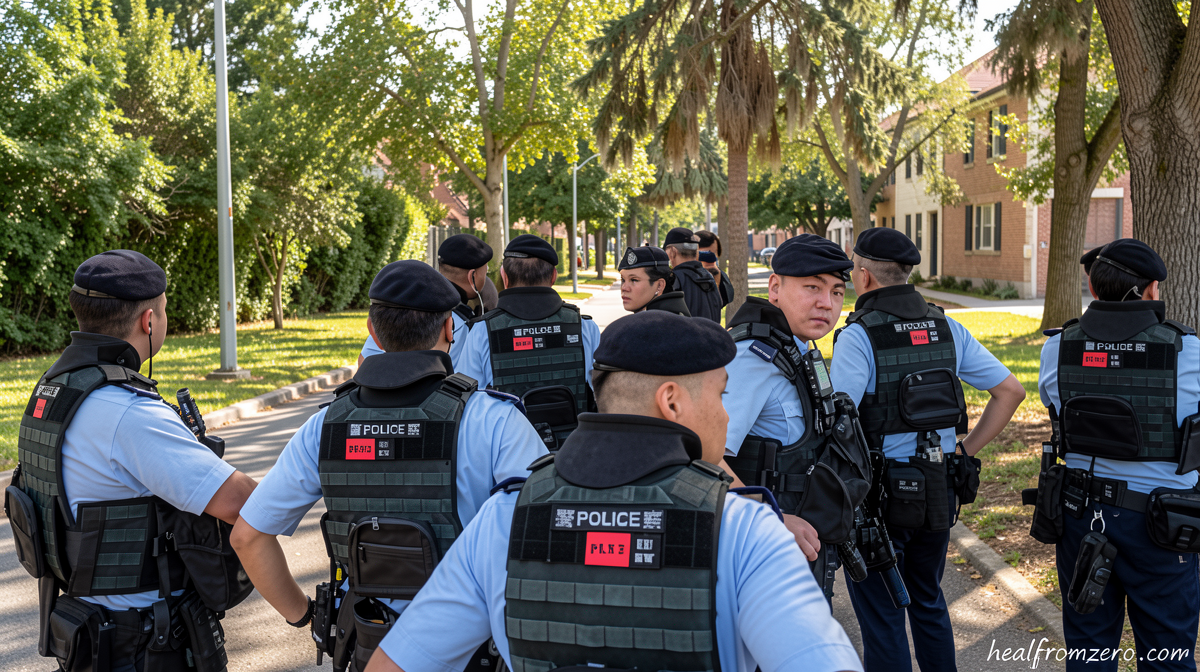
Outside the courthouse on Friday, security was markedly heightened. Officers checked the identities of many attendees and searched bags before entry. Tang Ngok-kwan, a former member of the Alliance, told reporters gathered at the steps that the ruling would not silence those who remember.
Frequently Asked Questions
What charge were the two organizers convicted of? Both Chow Hang-tung and Lee Cheuk-yan were found guilty of inciting subversion under Hong Kong’s national-security legislation, a statute enacted in 2020 that carries a maximum penalty of ten years’ imprisonment.
When did the annual candlelight gathering end? The observance was quietly discontinued after the 2019 pro-democracy protests, following Beijing’s introduction of the national-security offenses that redefined permissible public expression in the territory.
What is the status of the third defendant, Albert Ho? Ho, a veteran pro-democracy legislator connected to the same case, entered a guilty plea before the trial concluded and is awaiting sentencing at a later date.
Where was the verdict delivered? The guilty verdict was handed down at West Kowloon Court in Hong Kong on Friday, August 20, 2026.