Europe bows to US pressure to release diesel reserves ahead of midterm elections

Europe Bows to US Pressure on Diesel Reserves
Healfromzero.com – Europe bows to US pressure to release diesel from emergency stockpiles as Washington seeks relief from high fuel prices ahead of the US midterm elections in November. European governments are preparing to bring significant volumes of diesel to market after urgent talks among allied nations.
President Donald Trump said Friday that European countries had agreed to release “a massive amount” of diesel from heavily stocked reserves. Writing on Truth Social, he said the process would begin immediately.
The plan followed discussions among European officials and a G7 videoconference chaired by France. Participating countries and partner nations committed to releasing 100 million barrels over four months, including a substantial frontloaded diesel release during the first 20 days.
“We will implement our commitments” by releasing 100 million barrels over four months, beginning immediately.
Why Europe Bows to US Pressure
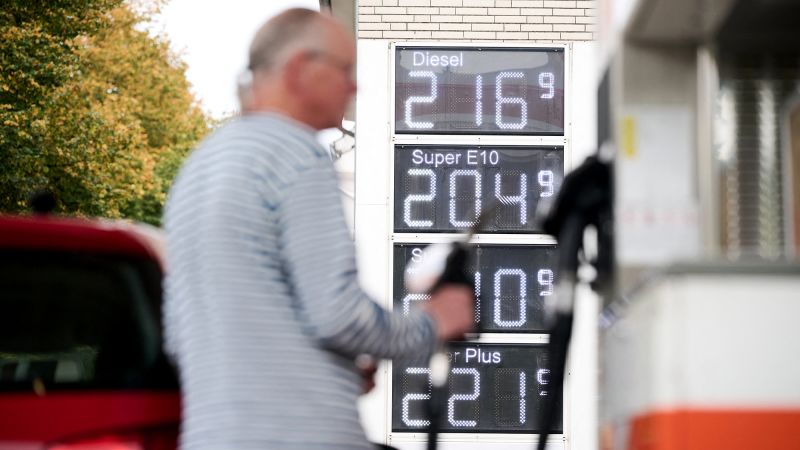
Diesel is vital to the wider economy, powering freight trucks, farm machinery, rail services and commercial vehicles. It is also closely connected to heating-oil demand, making supplies especially important as harvest work and the winter heating season approach.
The United States is the world’s largest diesel exporter. Trump has raised the prospect of restricting diesel exports to retain more fuel domestically and lower prices for American consumers. For Europe, which imports more diesel than it exports, a reduction in US shipments could sharply tighten supply.
That possibility increased the pressure on European governments to act. Energy analyst Richard Bronze of Energy Aspects said a US export ban could leave countries competing intensely for the remaining available barrels.
War and Export Limits Keep Markets Tight
Global fuel supplies have been under growing strain during the eight-month US-Iran war, which has disrupted shipments of crude oil and refined products from the Middle East. Europe has avoided widespread physical shortages, but reduced availability has pushed diesel prices higher.
In the United States, diesel prices exceeded $6 a gallon last month for the first time since the conflict began. The national average reached $6.40 a gallon on Friday morning. Diesel prices fell 5% on Friday after news of the coordinated reserve release emerged.
Europe’s benchmark diesel price has climbed to more than twice its level at the start of the US-Iran conflict in late February. The market has also faced Russia’s diesel export ban, extended through the end of October after Ukrainian drone strikes hit refinery facilities, and uncertainty over potentially tighter Chinese refined-product exports.
Emergency Supplies Bring Short-Term Relief
European Union members are required to hold oil stocks equal to 90 days of net imports. Those inventories may include crude oil, diesel, jet fuel and kerosene, without a mandated share for each product. That flexibility allows governments to respond to immediate shortages or price shocks.
However, Europe bows to US pressure at a cost: diesel taken from strategic reserves must eventually be replaced. If supply disruptions continue, replenishing stocks could become more difficult and expensive, creating a longer-term energy-security risk.
“If the underlying disruption continues, you cannot keep drawing inventories indefinitely without eventually creating a much bigger supply problem.”
Frequently Asked Questions
What does the diesel reserve release mean for consumers? The additional supply is intended to ease immediate market pressure and may help reduce diesel prices, although retail prices can still be affected by transport costs, taxes and continuing global disruptions.
Why is diesel so important in Europe? Diesel supports freight transport, agriculture, rail operations and some heating markets. Higher diesel costs can therefore raise expenses across supply chains and household energy bills.
Will the reserve release solve the fuel shortage risk? The release can provide temporary relief, but it does not remove the underlying risks from war-related disruptions, export restrictions and limited supplies from major producing countries.