A new app is bringing Vine back, with a very 2026 twist

Daftar Isi
The Six-Second Loop Returns — But This Time, Humans Only
Healfromzero.com – A scrolling feed of six-second looping videos has reappeared on smartphones, and this time the platform behind it has made a pointed philosophical declaration: no artificial intelligence allowed. Divine, a newly launched social app that resurrects the format once owned by Vine, opened its doors to the public last week after roughly nine months of internal development and beta testing. The move lands at a moment when short-form video dominates every major feed, yet users increasingly complain that algorithmic curation and machine-generated content have hollowed out the creative spontaneity that made those early clips feel alive.
What Divine Actually Is
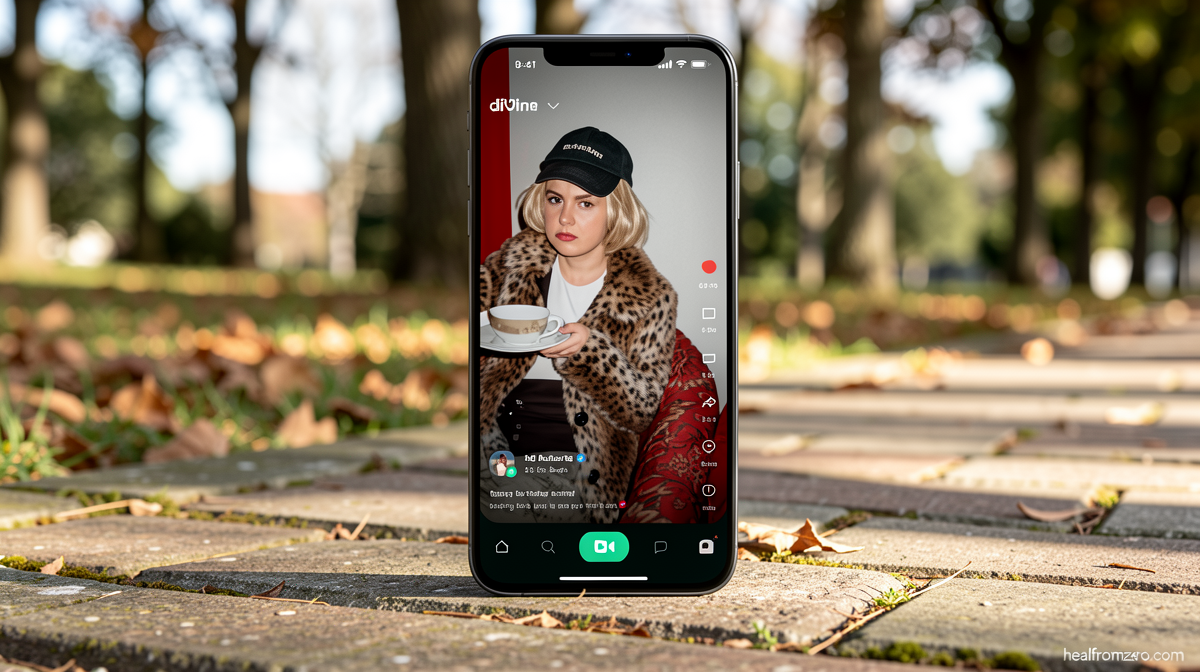
At its core, Divine replicates the mechanical structure of Vine: a vertical feed of ultra-short, looping video clips capped at six seconds. Users can record and upload their own clips, and they can also browse an archive containing more than two million original Vine posts preserved by volunteer internet archivists before the original platform went dark. Despite sharing that format and drawing direct inspiration from the predecessor, Divine carries no formal affiliation with Vine or with X (formerly Twitter), which owned the original service.
The app’s founder, who operates under the handle Rabble, is a former early employee of Twitter. The project received backing from Jack Dorsey, the co-founder of Twitter, giving Divine a lineage that connects it to the very ecosystem that ultimately killed the original format. Rabble has stated the platform will not permit users to publish AI-generated video, a hard line that distinguishes it from most competitors in the short-form space.
“I want to see things that are creative and are human and that are weird … there’s a way in which AI generates this sort of mediocrity,” Rabble said.
The Vine That Was
To understand why Divine’s launch carries emotional weight for a particular generation, a brief recap helps. Vine launched in 2012 as one of the first applications that let ordinary people produce and share short video clips without professional editing tools. Twitter acquired the company just months later for approximately $30 million. The platform became a cultural touchstone: it helped catapult creators like Logan Paul and Shawn Mendes into mainstream fame, spawned an endless stream of memes and catchphrases, and cultivated a particular brand of absurdist, low-stakes humor that felt distinctly human.
That era ended quickly. As Instagram and other rivals rolled out their own short-video features, Vine’s user base eroded. Twitter, already under financial strain, announced in 2016 that it would shut the service down, and the platform went offline in 2017. Before the servers went silent, volunteer archivists scraped and preserved large swaths of the video library — the same material Divine now surfaces to new users.
Algorithmic Transparency and User Control
Divine’s creators have built several structural features aimed at restoring a sense of agency that many users feel has been stripped from mainstream social platforms. The app publishes a detailed explanation of the ranking logic behind its “For You” page, letting users understand why a particular clip appears in their feed. Beyond that single feed, users can switch among alternative algorithmic lenses — one weighted toward animal content, another toward style and aesthetics, another toward the most widely viewed clips on the platform.
On the infrastructure side, Divine runs on a decentralized digital architecture comparable to the systems underlying Mastodon and Bluesky. In practical terms, that means a user’s profile and content can be migrated to other compatible platforms without being locked into a single walled garden. The underlying technology is also open-sourced, so independent developers could spin up their own niche communities using the same codebase without ever posting to Divine itself.
Early Traction and Commercial Signals
Rabble told reporters the app has already attracted roughly 100,000 users in its first days of public availability. Early content ranges from recreations of 2010s-era memes to straightforward celebration of the platform’s return. This week, Divine announced its first brand partnership with Taco Bell, signaling that advertisers see commercial viability in the niche.
A Broader Nostalgia-and-Agency Wave
Divine does not exist in isolation. In a recent documentary, the owners of MySpace indicated they are exploring a revival of the social-music site that defined early-2000s online identity. Together, these efforts point to a growing frustration among internet users about how little control they retain over their feeds, how opaque algorithmic ranking has become, and how content moderation decisions are made behind closed doors — frustrations sharpened, many observers note, by the controversial sale of X to Elon Musk.
The anti-AI-content stance also follows a broader industry trend. Pinterest and LinkedIn have both introduced measures to curb machine-generated posts in response to user complaints about what many now call “AI slop” flooding their timelines. Divine simply takes that impulse to its logical endpoint: a categorical ban rather than a detection-and-flag system. Rabble says the team employs multiple detection methods to enforce the rule, though the platform’s small size and human-only policy make enforcement structurally easier than at a billion-user scale.
“I look forward to a place where we can have a better idea of what healthy social media is, and where people think that it doesn’t have to be this sort of nightmarish hellscape,” Rabble said. “I think this idea of not having human agency over how we make our own norms and rules has created a toxic culture.”
Whether a decentralized, human-only, six-second video feed can sustain itself as a business remains an open question. Vine itself proved that a beloved format does not automatically translate into durable revenue. But the cultural appetite for short, silly, unmistakably human clips appears undiminished a decade later — and Divine is betting that the audience still wants to make them, not just watch them.
Related Reading
Frequently Asked Questions
What is A new app is bringing Vine?
A new app is bringing Vine is the main topic of this guide. The article explains the context, practical details, and next steps readers should understand.
Why does A new app is bringing Vine matter?
A new app is bringing Vine matters because readers are looking for a useful answer, not just a short summary. Good content should match search intent and help them decide what to do next.