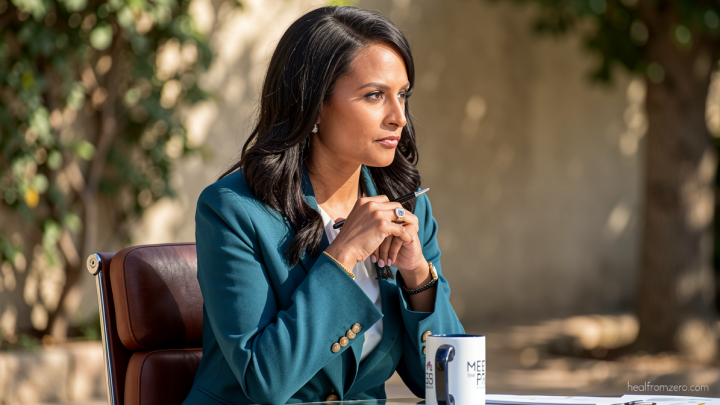
One of Kash Patel’s deputies resigns from the FBI

Daftar Isi
Andrew Bailey Leaves FBI Post After Serving as Co-Deputy Director
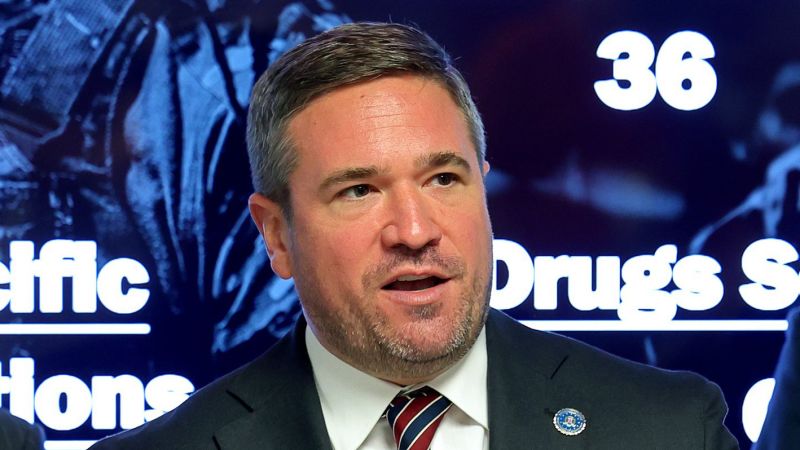
Healfromzero.com – Andrew Bailey, the former Missouri attorney general who joined the FBI in an unusual senior leadership arrangement, has told agency employees that he is leaving the bureau to spend more time with his family.
Bailey informed the workforce of his resignation early Monday. His departure ends a brief and unconventional chapter in FBI leadership, where he served as a “co-deputy” alongside the bureau’s traditional deputy director structure under Director Kash Patel.
Before entering federal service, Bailey was a Republican elected official in Missouri. He joined the FBI last year after the creation of the co-deputy role, a move that departed from the bureau’s longstanding practice of assigning a single career FBI official to the deputy director position.
An Unusual Leadership Model
The co-deputy approach emerged during a period of internal strain involving then-deputy director Dan Bongino and former Attorney General Pam Bondi. Their dispute centered on the handling of records connected to the investigation of convicted sex offender Jeffrey Epstein.
Bailey was brought into the FBI leadership team as Bongino’s role was being reshaped. The arrangement allowed responsibilities traditionally associated with one deputy director to be shared, even though the deputy director has historically overseen daily operations for an agency with roughly 38,000 employees.
That position has generally been held by a career FBI agent with deep institutional experience. It remains uncertain whether the bureau will move back to that single-deputy model following Bailey’s exit or continue using a broader leadership structure.
Bongino resigned earlier this year and returned to podcasting. A veteran FBI agent succeeded him as deputy director, while Bailey remained in the co-deputy position. His work at the bureau included election-security matters.
Speculation About a Larger Role
Within the FBI, Bailey had been viewed by some as a possible future successor to Patel. That possibility did not come to pass before his resignation.
Bailey had also been considered for the top FBI position before Donald Trump’s second inauguration. He met with Trump at Mar-a-Lago in 2024, around the same period Patel was being evaluated for the job. Trump ultimately chose Patel, with Bailey later joining the bureau in the newly established senior role.
People familiar with Bailey’s exit indicated that his relationship with Patel cooled soon after Bailey arrived at the FBI. The two were not close, despite working within the same leadership structure.
Still, both men presented a public message of support as Bailey announced his departure. In a social-media statement, Bailey highlighted what he described as major accomplishments during his time in office and said he would return to Missouri to be with his family.
“historic results in our mission to Make America Safe Again”
Bailey also expressed confidence that Patel would continue changing the bureau, addressing violent crime and protecting the country.
“confident Director Patel will continue to reform the FBI, combat violent crime” and “defend the homeland.”
What Bailey’s Resignation Means for the Bureau
The resignation places renewed attention on how the FBI’s senior management team will be organized. The deputy director role is central to the bureau’s operations because it connects strategic decisions from the director’s office to the daily work of agents, analysts, support personnel and field offices nationwide.
For decades, the standard structure placed that operational responsibility in the hands of one experienced FBI professional. Bailey’s appointment represented a significant break from that convention because he came from elected state office rather than a traditional FBI career path.
The continuing presence of a career agent as deputy director may provide continuity in the bureau’s operational leadership. At the same time, the end of Bailey’s tenure gives FBI leaders an opportunity to determine whether the co-deputy experiment should continue.
Bailey’s exit also underscores the challenges that can accompany political and institutional transitions at federal law-enforcement agencies. The FBI must manage investigations, intelligence work, public-safety responsibilities and administrative operations while leadership priorities evolve.
Patel publicly thanked Bailey after the announcement, praising his service and his role in advancing the Trump administration’s priorities. Bailey, for his part, framed the decision as a personal one rooted in family considerations rather than a broader public dispute.
His return to Missouri closes a period in which he moved from state politics to one of the nation’s most prominent federal law-enforcement institutions. Whether the FBI replaces him directly, alters the co-deputy arrangement or restores its earlier leadership format will shape the next phase of the bureau’s internal structure.
Related Reading
Frequently Asked Questions
What is One of Kash Patel s deputies?
One of Kash Patel s deputies is the main topic of this guide. The article explains the context, practical details, and next steps readers should understand.
Why does One of Kash Patel s deputies matter?
One of Kash Patel s deputies matters because readers are looking for a useful answer, not just a short summary. Good content should match search intent and help them decide what to do next.