Parents are tracking their adult children for safety. But is it actually safer?

Parents are tracking their adult children for safety. But is it actually safer?
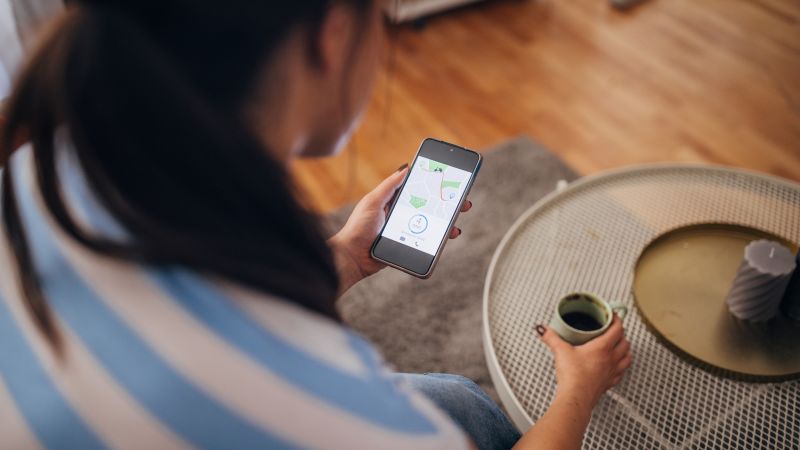
Parents are tracking their adult children – As young adults navigate life beyond the safety of home, many parents feel the urge to maintain a digital tether to their children’s whereabouts. While location tracking has long been a tool for monitoring underage kids, its use is now expanding into the adult years. A recent survey conducted by the C.S. Mott Children’s Hospital at the University of Michigan in Ann Arbor reveals that over 50% of parents use digital technology to keep tabs on their adult children. Yet, this practice raises questions: Does it truly enhance safety, or does it foster anxiety in both parents and children?
The Poll’s Findings
The poll, published on June 15, 2026, surveyed more than 1,500 parents with at least one child aged 18 to 25. Among the responses, 68% of parents cited tracking as a way to reduce their own anxieties, while 64% admitted using it as a precaution during emergencies. A smaller but notable group—17%—monitored their children to ensure they were in places deemed socially acceptable. However, the data also highlights a growing concern: nearly 25% of parents who track their adult children believe the practice sometimes intensifies their worries rather than alleviating them.
Expert Insights on Parental Monitoring
“This kind of tracking can feed and cause anxiety in parents because when you only have one data point, your brain has to fill in the rest,” said Kara Alaimo, a CNN contributor and professor of communication at Fairleigh Dickinson University. “You have to make assumptions and jump to conclusions, which may or may not be accurate.”
Alaimo’s perspective aligns with concerns raised by Sarah Clark, a research scientist at the University of Michigan and co-director of the Mott poll. Clark emphasized that remote monitoring, while well-intentioned, can strain the parent-child relationship and hinder the development of independent decision-making skills. “Without clear communication and boundaries, digital tracking might not only harm trust but also prevent young adults from learning to assess risks on their own,” she noted.
Clark also pointed to the transition from childhood to adulthood as a critical moment for families to evaluate the necessity of ongoing monitoring. “The lack of conversation really bothers me. It wasn’t that the kids weren’t aware, but they just didn’t have a role in shaping what this would look like,” she explained. This sentiment underscores the importance of involving adult children in discussions about their autonomy, rather than imposing tracking measures unilaterally.
The Psychology of Tracking
For some parents, the act of monitoring becomes a psychological crutch. The ability to check a child’s location in real time can create a false sense of security, even when the child is in a safe environment. “Just because you’re tracking someone doesn’t mean you’re understanding the situation or ready to step in,” Clark said. “It’s easy to mistake constant oversight for complete safety.”
Alaimo added that this behavior often reflects a broader trend of “helicopter parenting,” where parents overextend their involvement in their children’s lives. “Teaching young adults to make responsible decisions themselves would make them far safer,” she argued. “Otherwise, knowing where they are doesn’t necessarily solve the problem once they’ve made a risky choice.”
Striking a Balance
While tracking can be beneficial during key moments—such as a daughter’s first date or a child’s visit to an unfamiliar location—it shouldn’t be the sole safety measure. Alaimo suggested that parents should encourage children to share their locations with trusted friends as an alternative. “This approach empowers the child to take control of their safety, rather than relying on parental intervention,” she said.
Clark echoed this idea, stressing that tracking during adolescence can help build foundational independence. “Monitoring should be a tool to support growth, not a replacement for it,” she stated. “If we’re tracking kids in middle and high school, we should be teaching them to recognize dangers and act accordingly, not just react to them through digital surveillance.”
Autonomy vs. Control
The survey also revealed that nearly all participants reported their children were aware of the tracking. However, only half of the parents stated that the practice was optional, indicating a possible power imbalance. This dynamic can lead to feelings of distrust, as children may perceive their parents as overbearing or micromanaging. “When young adults aren’t allowed to make their own decisions, it strains the relationship and creates a sense of control rather than partnership,” Clark observed.
Experts agree that the goal of tracking should be to enhance safety, not to replace it. “Families going ‘no contact’ doesn’t always mean the end of the relationship,” Alaimo said. “But if we’re tracking our children without their input, we risk turning them into dependent beings instead of independent ones.”
Rethinking the Role of Technology
As technology continues to blur the lines between independence and oversight, parents must rethink how they use these tools. While location tracking can offer reassurance during emergencies, it also has the potential to cultivate anxiety. “The key is to track strategically, not habitually,” Clark advised. “If we’re tracking our adult children, we should ask ourselves: Are we helping them feel safe, or are we making them feel like they’re always under scrutiny?”
For many, the challenge lies in balancing vigilance with trust. “Parents should be open about their concerns and build mutual understanding,” Alaimo said. “If we can communicate effectively, tracking becomes a shared effort rather than a source of conflict.” This perspective highlights the need for ongoing dialogue, ensuring that technology serves as a bridge to safety rather than a barrier to autonomy.
In the end, the question remains: Is tracking adult children a sign of care, or a habit of control? As the data shows, the majority of parents still rely on digital tools to monitor their grown children. But with the right approach, this practice can evolve from a source of tension into a meaningful way to support independence while maintaining a connection to the people they care about most.