
FDA advisers support easing restrictions on six peptides. Here’s what those drugs are and what happens next
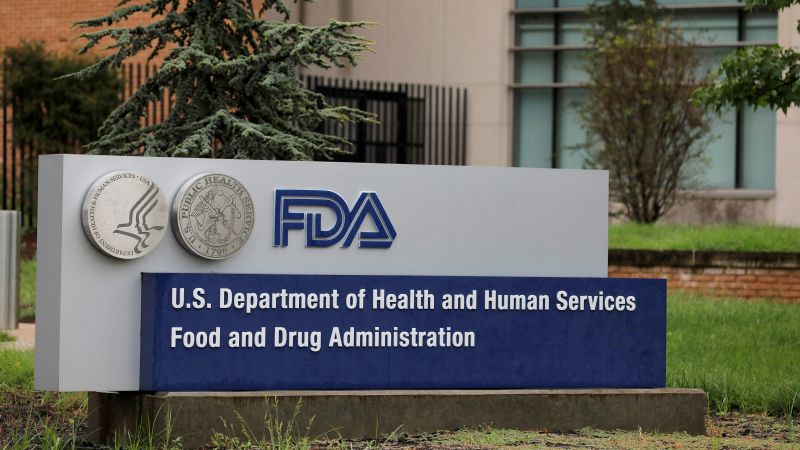
FDA advisers support easing restrictions on six peptides
Healfromzero.com – FDA advisers support easing restrictions on six popular peptides, marking a potential turning point for wellness consumers seeking these compounds. The advisory panel to the US Food and Drug Administration voted last week to allow these drugs through compounding pharmacies, though official approval remains pending. This development could significantly expand access to peptides that promise faster muscle recovery, reduced inflammation, and healthier aging.
What are peptides and why do they matter?
Peptides are short chains of amino acids that serve as the building blocks of proteins in the human body. While some peptides like insulin and GLP-1 medications (Ozempic and Wegovy) already have FDA approval, the six compounds under consideration are different. These peptides are not yet FDA-approved but have gained popularity among wellness influencers, elite athletes, and physicians who believe they can promote longevity and boost overall health.
The FDA’s Pharmacy Compounding Advisory Committee narrowly agreed to open the door for these six peptides to be compounded. A seventh peptide did not receive majority support during last week’s vote. The advisers voted 7-6 against including the sleep-inducing peptide emideltide, with one member abstaining from the decision.
What happens next for peptide access?
The drugs remain in regulatory limbo until the FDA takes further action. Experts note that US Health and Human Services Secretary Robert F. Kennedy Jr. could potentially expedite the next steps. Kennedy has publicly stated he is “a big fan of peptides” and has used them himself, making his support significant for this initiative.
“If the agency does accept those recommendations, I think it is possible, maybe even likely, that the agency will announce a period of enforcement discretion, meaning it will allow pharmacies to go ahead and prepare these drugs pending formal notice and comment rule-making,” said Scott Brunner, CEO of the Alliance for Pharmacy Compounding.
When a compounding pharmacy “compounds” a drug, the pharmacist prepares a customized medication using specific ingredients for a specific patient based on their prescription. The process could take more than a year, involving a draft rule and public comments, according to Brunner.
Eventually, a final rule would need to be published in the Federal Register for the peptides to be officially added to the FDA’s 503A Bulks List. This list contains ingredients that compounding pharmacies may use to prepare customized medications under specific legal conditions.
Gray market concerns and scientific debate
Many advisory committee members who voted in favor argued that allowing compounding would create a safer pathway for people to access these drugs. Currently, some consumers obtain peptides online from an unregulated gray market without ever consulting a physician.
“That’s where the real danger lives, and that’s where the enforcement belongs. Keeping this in a regulated pharmacy is not the risk in the room. The gray market pipeline is, and it operates in the open because we let it,” said committee member Dr. Hal Mohammed, global chief medical officer of Gameday Men’s Health.
However, some committee members who voted against making the peptides more accessible through compounding raised concerns about insufficient evidence. They argued there is a lack of research suggesting that the approach would stop the gray market, and there remain unknowns around the effectiveness and potential risks of certain peptides.
“I’m concerned that we’re responding to a market-induced demand rather than a decision based in solid science,” said Dr. Elizabeth Rebello of the University of Texas MD Anderson Cancer Center.
Frequently Asked Questions
What are the six peptides gaining FDA advisory support? The six peptides include compounds that promote muscle recovery, reduce inflammation, and support healthy aging. The exact names were not specified in the announcement, but emideltide was notably excluded from the vote.
How long until peptides are available through compounding pharmacies? The process could take more than a year, involving formal notice-and-comment rulemaking before the peptides are officially added to the FDA’s 503A Bulks List.
What is enforcement discretion? Enforcement discretion means the FDA would allow pharmacies to prepare these drugs even before formal rule-making is complete, providing temporary access while the regulatory process continues.
Why is the gray market a concern? Consumers buying peptides online without medical supervision face risks including inconsistent quality, incorrect dosages, and unknown side effects that regulated compounding pharmacies would help mitigate.