Major flood threat for Texas and Gulf states this week as tropical moisture supercharges storms

Major Flood Threat for Texas as Tropical Moisture Intensifies
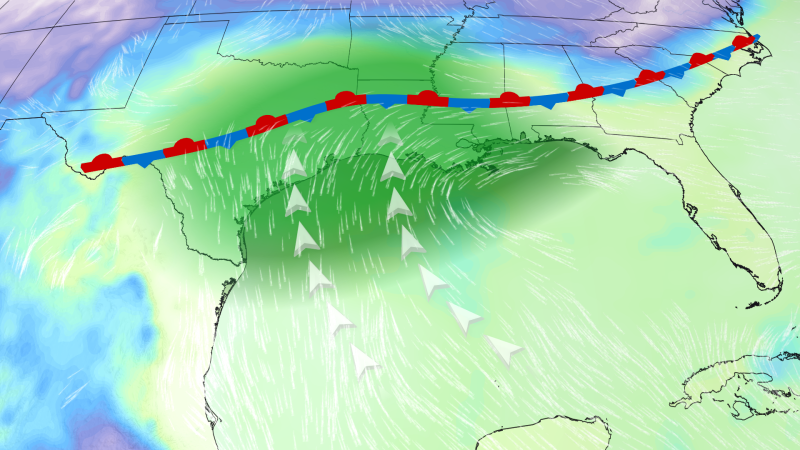
Major flood threat for Texas and Gulf – Texas faces a major flood threat this week due to an influx of tropical moisture, which is supercharging storm systems across central and southern regions. The National Weather Prediction Center has raised flood alerts for over 20 million residents, from central Texas to central Mississippi, signaling heightened risk as heavy rainfall continues. With storm systems expected to deliver downpours of 5 to 10 inches in some areas, authorities are urging residents to prepare for potentially severe flooding conditions. The situation has already led to water rescues, highlighting the real-time impact of the weather event on communities.
Intensified Rainfall from Tropical Storm Remnants
The current surge in precipitation is linked to remnants of Tropical Storm Cristina, which formed in the Eastern Pacific last week. These remnants have significantly increased atmospheric moisture levels, contributing to powerful storm systems that are likely to persist for several days. While the system may not transition into a tropical depression or storm in the Atlantic, its movement offshore could still pose a threat. Even inland, the moisture from Cristina will merge with a stalled weather front, generating rainfall rates of 3 to 5 inches per hour, which experts warn could create dangerous flooding scenarios.
“The rainfall intensity is unlike anything we’ve seen in this region,” stated Texas Game Warden Capt. Matthew Kiel, noting that McLennan County and surrounding areas are experiencing extreme conditions. Kiel emphasized that multiple water rescues were conducted across central Texas on Monday, underscoring the urgency of the situation. The National Hurricane Center has also highlighted the potential for the system to develop further if it approaches the Gulf Coast, adding another layer of concern for residents.
Emergency Response in Action
Emergency teams are responding swiftly to mitigate the effects of the rising floodwaters. In Bandera County, a vehicle was swept away by torrential rain, prompting immediate search operations for the driver. Judy Lefevers, the county’s Emergency Management Coordinator, reported that over 80 low water crossings were flooded in Travis County by Monday morning, with crews rescuing individuals stranded in their vehicles. These incidents reflect the widespread nature of the crisis, as roads and infrastructure in multiple jurisdictions face severe strain from the relentless rainfall.
Meanwhile, Bexar County saw vehicles trapped on Interstate 35 on Sunday night, leading to urgent rescue efforts. Chris Lopez, the county’s Fire Marshal, confirmed that the flooding has reached critical levels, threatening to disrupt transportation and daily life. In Williamson County, two separate low water crossings required assistance, according to spokesperson Connie Odom. These events illustrate the cascading impact of the flood threat on both urban and rural areas, as communities grapple with the challenges posed by the heavy downpours.
Historical Context of the Flood Threat
The National Weather Prediction Center has issued a Level 3 flood threat out of 4, affecting Texas, Louisiana, and Mississippi for four consecutive days. This marks the first time such a prolonged threat has been recorded in the U.S. since July 2025, highlighting its significance in the context of recent weather trends. The combination of steady rainfall and already saturated ground is expected to amplify flood risks, particularly in areas with vulnerable terrain. Experts caution that localized flash flooding could extend eastward to central and southern Alabama, further complicating the situation.
As the flood threat persists, the National Water Center has outlined key messages for residents and officials, stressing the likelihood of roads becoming impassable, power outages, and disrupted routines. Emergency management teams are now focused on extended operations and potential evacuations, ensuring preparedness for the next several days. The ongoing weather event underscores the importance of proactive measures, as the intensity and duration of the rainfall continue to test the resilience of the region’s infrastructure and response systems.