Can aging be treated like a disease? Scientists are starting to find out

Daftar Isi
Scientists Explore Whether Aging Could Become a Medical Target
Healfromzero.com – For decades, medicine has largely addressed the illnesses that become more common with age one by one: diabetes, heart disease, cancer and many other chronic conditions. A growing field of longevity research is examining a far more ambitious possibility — whether some of the biological processes behind aging itself can be measured and eventually influenced before those diseases take hold.
The central aim is not simply to add years to life. Researchers are focused on extending “health span,” the period in which people remain healthy, active and independent. If the underlying biology that contributes to multiple age-related illnesses could be altered, future care might place more emphasis on maintaining resilience than reacting after disease has developed.
“Aging has biology. This biology drives diseases,”
Nir Barzilai, director of the Institute for Aging Research at Albert Einstein College of Medicine in New York City, has argued that a common set of age-related biological changes may influence several conditions at once. Rather than treating each illness in isolation after it appears, the long-term hope is that medicine could address processes that raise the risk of many diseases simultaneously.
A Promising Idea That Still Needs Human Evidence
The concept remains unproven in people. Daniel Belsky, an associate professor of epidemiology at Columbia University’s Mailman School of Public Health and the Robert N. Butler Columbia Aging Center, says the scientific case is encouraging, but human clinical trials have not yet demonstrated that changing aging biology can lengthen healthy life.
“We don’t know yet whether we can really do this. But we do have an alignment of evidence to argue this is possible. And we now have a mobilization of resources to actually test it,”
Laboratory findings have helped build that interest. In organisms including roundworms and mice, scientists have used medication, exercise, calorie restriction and other approaches to slow cellular changes associated with aging. Those interventions have also extended lifespan in animal studies.
“For humans, we do not yet have clinical trial evidence that intervention on this biology to extend health span is possible,”
Belsky said. Yet the field is moving closer to studies designed to test these questions directly in humans.
Looking Beyond the Number of Birthdays
Chronological age is straightforward: it is the number of years since a person was born. Biological age is more complex. It refers to signs of how a body’s systems may be changing over time, and it may not progress at the same rate for every person of the same chronological age.
Researchers are seeking reliable ways to track those changes. One major area of study is epigenetics, which involves shifts in how genes are controlled without changing the DNA sequence itself. Scientists can examine methyl groups, chemical markers attached to DNA, to look for patterns that may reflect aging within the body.
“could track the passage of time in a human body.”
That work could eventually help researchers understand whether a treatment is affecting aging-related biology years before a patient would otherwise develop a chronic illness.
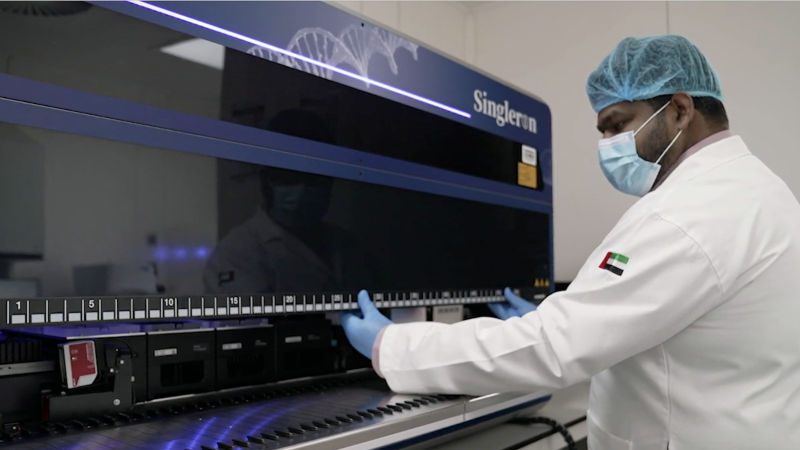
Belsky’s Finding Aging Biomarkers by Searching Existing Trials, known as FAST, is gathering multi-omic information from white blood cells. The approach combines several biological layers, including proteins, metabolites and epigenetic markers. By comparing these signals across different interventions, researchers hope to identify indicators that respond in meaningful ways when the biology of aging changes.
However, a biomarker is useful only if it predicts something that matters to patients. The key unresolved question is whether changing a measurable biological signal will translate into fewer diseases, better functioning or more healthy years of life.
Why Trials Take So Long
Testing longevity interventions presents an unusually difficult problem. A study asking whether a treatment begun at age 40 or 50 prevents illness later in life may need to continue for 20 or 30 years. That makes research slow, expensive and challenging to organize.
Scientists therefore want to know whether some biological measures can serve as surrogate endpoints. In a clinical trial, a surrogate endpoint is a measurable result that can stand in for a later health outcome when it has been shown to predict that outcome reliably. If researchers could establish that a particular biomarker forecasts a longer healthy lifespan or reduced disease risk, trials might be able to provide answers much sooner.
That standard is high for good reason. A test may detect a biological difference without proving that the difference will improve a person’s future health. Until the relationship is firmly established, such measurements should be viewed as research tools rather than guarantees about an individual’s longevity.
Longevity Clinics Enter the Picture
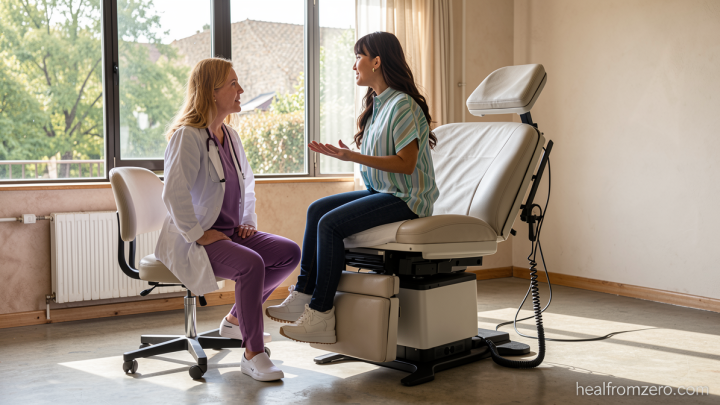
Interest in this science is also reaching clinical settings. Longevity clinics are beginning to offer conventional medical evaluations alongside a broader array of tests intended to create a detailed view of a patient’s health.
Mayo Clinic opened its Healthy Longevity Clinic in 2023. Singapore’s National University Health System has created a comparable program that combines extensive assessment with individualized lifestyle or medical care.
These programs reflect a wider shift toward prevention, detailed risk evaluation and personalized care. Still, the emergence of longevity-focused services does not mean that every test or treatment marketed under the longevity label has been proven to slow aging or extend health span. Consumers should distinguish established preventive care from emerging measures whose clinical significance is still being studied.
For now, the most important question is whether the encouraging biology observed in laboratories can produce meaningful benefits in people. The answer could reshape how medicine approaches later life, but it will depend on carefully designed human trials and biomarkers that can demonstrate real improvements in health — not merely changes that look promising on a laboratory report.
Related Reading
Frequently Asked Questions
What is Can aging be treated like a disease?
Can aging be treated like a disease is the main topic of this guide. The article explains the context, practical details, and next steps readers should understand.
Why does Can aging be treated like a disease matter?
Can aging be treated like a disease matters because readers are looking for a useful answer, not just a short summary. Good content should match search intent and help them decide what to do next.