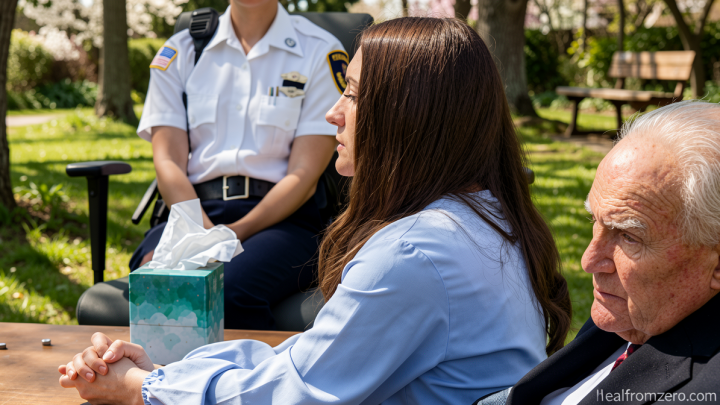
‘Super movers’ reduce the risk of developing cognitive impairment

Daftar Isi
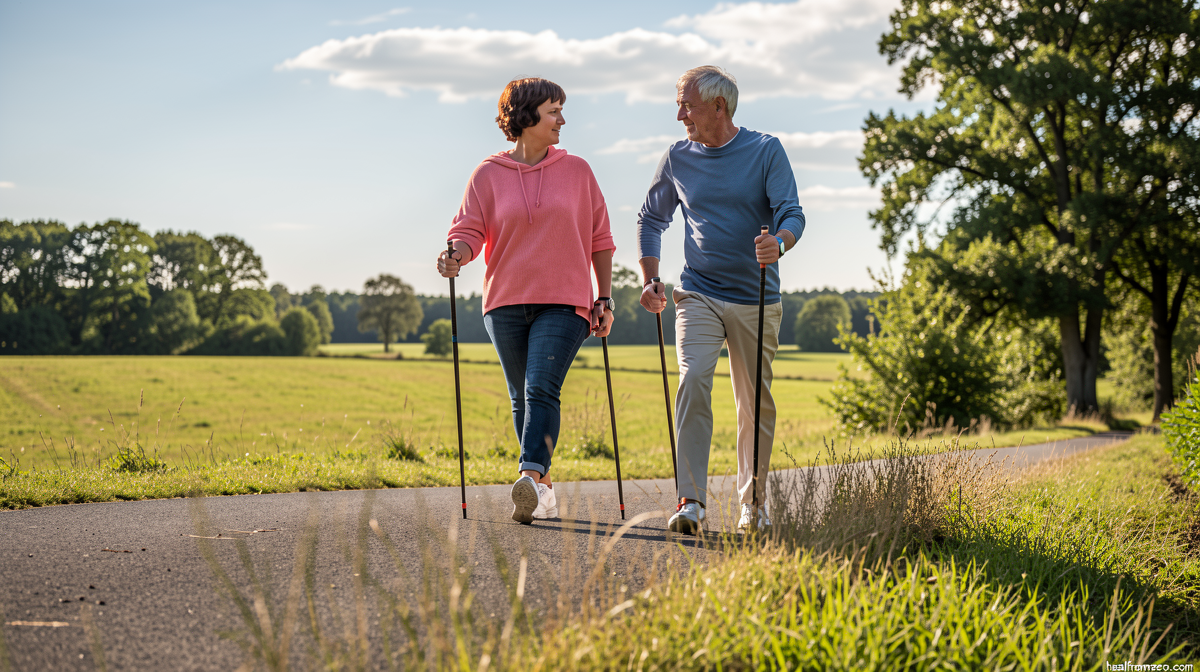
Fast Walkers in Their Eighties Show Stronger Brain Function, New Research Reveals
Healfromzero.com – Maintaining a brisk pace as you age may be more than just a physical trait—it could signal a resilient mind. A growing body of evidence suggests that older adults who walk notably faster than their contemporaries experience better cognitive outcomes and reduced likelihood of developing memory-related conditions. Scientists have previously examined “SuperAgers,” individuals whose recollection remains remarkably acute well into later life. The current investigation shifts focus to a different cohort: those in their eighties who move at a pace considerably quicker than average. According to research released on July 14 within the journal Neurology, individuals who walk faster than normal demonstrate a significantly lower probability of experiencing cognitive decline.
Defining the Super Movers
To clarify what qualifies someone as a super mover, Dr. Leana Wen provided expert insight. She serves as an emergency physician and clinical associate professor at George Washington University, and previously held the position of Baltimore’s health commissioner.
The researchers defined super movers as people 80 and older whose walking speed was at least 1.5 standard deviations above the average for their age and sex, which in practical terms means they are unusually fast walkers for their ages.
This statistical threshold identifies individuals whose pace stands out distinctly from their peer group. The investigation synthesized data from multiple prior studies examining older populations. One comprehensive analysis encompassed approximately 4,000 participants aged 80 and above, tracking them over a period ranging from three to five years. After removing individuals who already exhibited cognitive impairment, researchers discovered that super movers faced roughly half the risk of developing such conditions compared to slower walkers.
Brain Imaging and Cognitive Testing
Beyond statistical analysis, scientists conducted more granular examinations. A subset of nearly 200 participants underwent thorough cognitive assessments alongside magnetic resonance imaging, or MRI scans. Results indicated that faster walkers experienced a more gradual deterioration in memory and other mental faculties. Their brain scans revealed superior preservation of volume within critical regions responsible for learning and memory formation. Additionally, a separate investigation involving over 690 individuals demonstrated that super movers maintained better overall cognition and showed reduced rates of Alzheimer’s disease and various dementia types.
Why Walking Speed Matters for Brain Health
The connection between physical movement and mental acuity warrants closer examination. Walking appears straightforward, yet it demands sophisticated neural coordination.
Walking seems simple because many of us do it without consciously thinking about it, but in fact it is a complex activity. The brain coordinates muscles and nerves while also processing information about balance, vision and the environment around us.
Consider navigating a crowded urban sidewalk. An individual must simultaneously manage uneven terrain, monitor surrounding pedestrians and vehicles, determine appropriate speed, and maintain equilibrium—all while potentially contemplating unrelated matters. Such multifaceted demands require numerous brain regions to operate in concert.
Association Versus Causation
A crucial distinction emerges when interpreting these findings. Does rapid walking actively shield against cognitive deterioration, or does it merely reflect an already robust brain and body?
This is an important point. The study shows an association but not causation. Super movers could differ from other people in many ways. They might have been more physically active throughout their lives, for instance.
The research does not pinpoint when participants began walking quickly. Physical activity independently reduces dementia risk, and super movers likely engage in greater overall movement than typical older adults. Additional variables may include fewer chronic illnesses, improved nutrition, favorable genetics, elevated income levels, or stronger community connections. Any combination of these elements could foster both exceptional mobility and enhanced cognitive resilience. Furthermore, individuals whose brains age gracefully may simply possess the capacity to sustain quicker walking speeds. Consequently, while the data cannot definitively prove that walking faster prevents cognitive decline, it strongly suggests that maintaining solid physical function through one’s eighties serves as a reliable indicator of healthy brain aging.
Can You Become a Super Mover Later in Life?
For those in their sixties or seventies who currently walk at a moderate pace, the question arises: is transformation possible? Although this particular study did not directly address this scenario, existing research provides encouraging indications. Regular aerobic exercise strengthens cardiovascular health, which in turn supports cerebral blood flow and neural connectivity. Strength training improves muscle coordination and balance, essential components for maintaining a steady walking rhythm. Even modest increases in daily movement—such as taking longer walks, using stairs instead of elevators, or engaging in gardening—can contribute to improved mobility over time. The implications extend beyond individual benefit. As global populations age, identifying accessible markers of cognitive health becomes increasingly valuable. Walking requires no specialized equipment, minimal financial investment, and can be adapted to various fitness levels. For communities concerned with dementia prevention, promoting regular walking habits among older adults represents a practical, evidence-informed strategy. Ultimately, the super mover phenomenon offers hope rather than prescription. It demonstrates that physical vitality and mental sharpness often travel together, and that cultivating movement throughout life may help preserve both body and mind well into our later decades.
Related Reading
Frequently Asked Questions
What is Super movers reduce the risk of developing?
Super movers reduce the risk of developing is the main topic of this guide. The article explains the context, practical details, and next steps readers should understand.
Why does Super movers reduce the risk of developing matter?
Super movers reduce the risk of developing matters because readers are looking for a useful answer, not just a short summary. Good content should match search intent and help them decide what to do next.