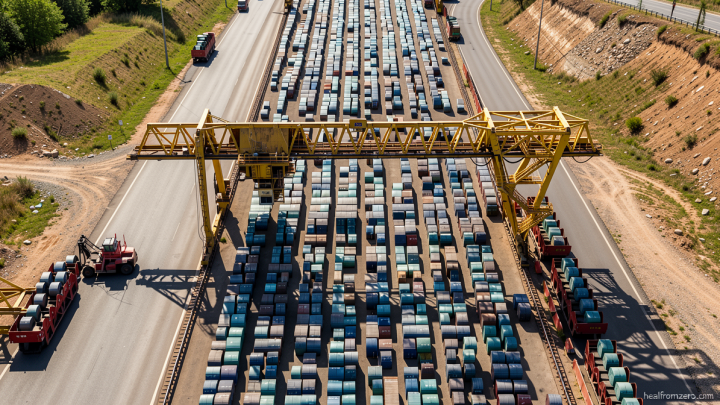
Red lights are flashing in energy markets

Daftar Isi
Energy Markets Face a Fuel Crunch Far More Dangerous Than the Oil Spike
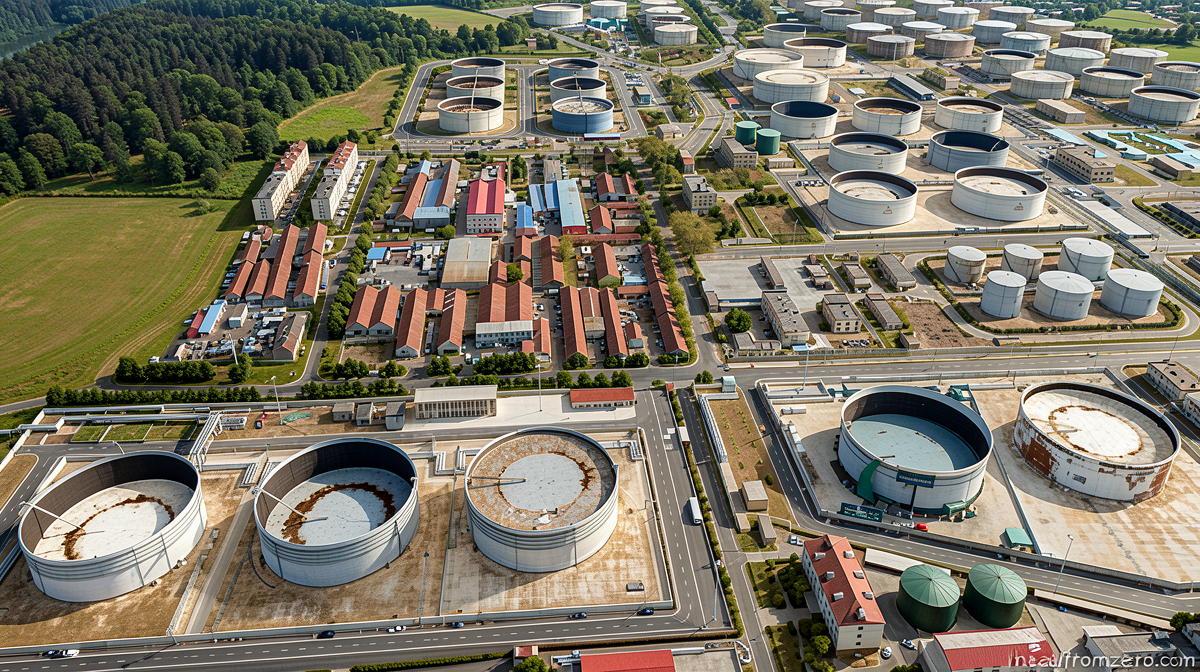
Healfromzero.com – The headline number that dominates energy desks right now is crude oil pricing, and it is undeniably elevated. Yet the more consequential disruption is unfolding one step downstream, in the refineries that convert raw crude into the gasoline, jet fuel, and diesel on which modern economies depend. What started as a supply shock triggered by the closure of the Strait of Hormuz has quietly metastasized into a full-blown fuel availability crisis, and the consequences are rippling through every sector from agriculture to aviation.
The Crack Spread That Broke the Record
On Monday, the diesel crack spread — the metric that captures how much profit a refiner extracts from each barrel of crude processed into diesel — surged to $102 per barrel. That figure had never been recorded before the current conflict, and it represents roughly a threefold jump over pre-war levels. The number signals that refineries are being paid extraordinary premiums simply to keep their furnaces burning.
“This is man-bites-dog news. The market is screaming that we’re short,” Bob McNally, founder and president of Rapidan Energy Group, told CNN.
McNally, who previously served as an energy adviser to President George W. Bush, has watched the squeeze tighten week after week. His assessment underscores a simple arithmetic problem: global fuel output cannot keep pace with demand when the infrastructure that produces it is simultaneously under fire, under embargo, or under export restriction.
Three of Four Major Refining Hubs in Distress
The geography of the crisis is stark. Of the four principal clusters where the world’s refining capacity is concentrated, three are now operating under severe constraints.
In the Middle East, refineries have come under direct attack during the ongoing Iran war. Even those plants that have escaped physical damage face a second bottleneck: the standoff in the Strait of Hormuz, where Iranian and American forces contest control of the waterway, has made shipping refined products out of the region extraordinarily difficult and expensive.
Across the globe, Russian refineries — historically a critical source of exported gasoline and diesel — have been battered by Ukrainian drone strikes. Research firm Capital Economics estimates that roughly 40 percent of Russia’s refining capacity is currently offline, a figure equivalent to about 3 percent of total global refining throughput. Compounding the domestic shortage, Moscow has imposed a ban on gas and diesel exports that runs through the end of January 2027, effectively locking that supply inside the country.
China, the third troubled hub, has taken a different approach. Beijing has slashed its crude oil imports to levels many analysts considered implausible, a move that has helped keep spot oil prices from rocketing toward $150 a barrel. But the same government has simultaneously curtailed its own fuel exports to protect domestic supply, removing another layer of global fuel availability.
The Gulf Coast Becomes the Last Stand
With three hubs compromised, the American Gulf Coast has become, in McNally’s words, “the only game in town.” U.S. refineries are running at maximum throughput to capture what are, by any historical measure, unprecedented profit margins.
“Refiners are going all-out. This is Christmas come early and come big,” McNally said.
Analysts at Bank of America captured the fragility of the situation in a report published last week: “The result is a market that is about to enter its strongest seasonal demand period with very little margin for error.” The autumn driving season, combined with agricultural harvest logistics, will push fuel demand to its annual peak precisely when spare capacity is thinnest.
Corporate Windfalls and Share-Market Reactions
The extraordinary margins have translated directly into balance-sheet results. Shares of Marathon Petroleum and Valero Energy have more than doubled year to date, while Phillips 66 stock has climbed nearly 90 percent. Integrated supermajors have fared no worse: ExxonMobil alone generated $160 million in profit per day during the most recent quarter, and Chevron has posted similarly outsized earnings.
For investors, the rally reflects a rare alignment of supply scarcity and demand resilience. For consumers, the same alignment is producing a quiet tax on every gallon of fuel purchased.
What Consumers Are Paying
The national average price for regular gasoline reached $4.07 per gallon on Tuesday, a 30 percent increase over the same date last year. Diesel, the workhorse fuel for freight trucks, rail networks, and farm equipment, is running 48 percent above its year-ago level. Jet fuel has jumped more than 70 percent over the trailing twelve months.
Research from Brown University’s Climate Solutions Lab estimates that higher diesel prices have already cost American consumers nearly $40 billion since the war began. Much of that cost is invisible to the average shopper: it arrives embedded in the price of groceries, parcel deliveries, and agricultural products, because businesses pass at least a portion of elevated fuel costs into their pricing.
In aviation, airlines have responded to the jet-fuel spike by raising ticket prices and baggage fees while pruning lower-yield routes. The shutdown of budget carrier Spirit Airlines in May removed a price-competitive option from the market, amplifying the fare increase for remaining travelers.
“The consumer-facing impact is showing up at the pump and at the airport, and that is where the pressure is going to build from here,” Rystad Energy analysts wrote in a report last week.
Storm Season and Maintenance Windows: The Next Threats
The Gulf Coast’s all-out operating posture is not sustainable indefinitely. Hurricane season is reaching its peak intensity window, and major storms have historically forced multi-week shutdowns of coastal refineries. Separately, the autumn period traditionally offers refineries a lower-demand window for scheduled turnarounds and maintenance. Running flat-out through that window leaves plants vulnerable to unplanned outages precisely when the market can least absorb them.
Inflation Risk and the Path Forward
The central macroeconomic concern is duration. If supply disruptions in the Middle East, Russia, and China persist into the winter, gasoline, diesel, and jet fuel prices will remain elevated long enough to feed a second wave of inflation. Energy costs are embedded in virtually every goods and services category, and sustained fuel-price pressure complicates central-bank disinflation efforts worldwide.
Until at least one of the three troubled supply corridors normalizes — whether through a ceasefire in the Strait of Hormuz, a reduction in Ukrainian drone campaigns against Russian refineries, or a relaxation of Chinese export controls — the global fuel market will operate with minimal buffer. The record crack spread of $102 is not a blip; it is a warning that the system has run out of slack, and that the next shock, however small, will land with full force on prices at the pump, in the cargo bay, and in the overhead bin.
Related Reading
Frequently Asked Questions
What is Red lights are flashing in energy?
Red lights are flashing in energy is the main topic of this guide. The article explains the context, practical details, and next steps readers should understand.
Why does Red lights are flashing in energy matter?
Red lights are flashing in energy matters because readers are looking for a useful answer, not just a short summary. Good content should match search intent and help them decide what to do next.