One couple wants to stop living paycheck to paycheck. A big obstacle: Nearly $40,000 in credit card debt


Daftar Isi
A Milwaukee Couple Takes on Credit Card Debt While Planning for a Different Future
Healfromzero.com – Mariza and Geffrey Gordon want to move beyond the constant pressure of stretching each paycheck to cover bills. For the Milwaukee couple, that goal has become more urgent as they confront nearly $40,000 in credit card balances, a job loss, and the challenge of building financial security from a difficult starting point.
Much of the couple’s card debt came from paying for their wedding last year, Mariza said. The balances have created a steep monthly burden: roughly $1,400 is going toward minimum required payments alone. That leaves less room in their budget for emergencies, savings, or long-term plans.
When they joined a financial coaching program, they were still a two-income household. Soon afterward, however, Mariza learned she would be laid off and receive just two months of severance pay. The timing made their debt-reduction effort even more consequential, since a loss of income can quickly expose how little flexibility a household has when high-interest revolving debt is involved.
Looking Beyond the Immediate Crisis
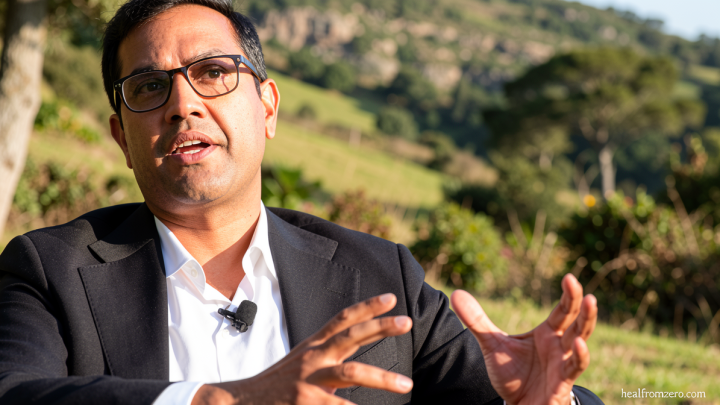
Financial educator and budgeting specialist Tiffany Aliche met with the Gordons for an initial consultation. She noticed how strongly they supported each other while discussing a stressful financial situation.
“They were so supportive of each other,” Tiffany said.
Aliche also viewed their willingness to ask for guidance as a meaningful first step.
“Seeking help. A lot of people just stay stuck.”
With only a limited period available for their coaching work, Aliche concluded that the couple could not realistically tackle every money concern at once. Instead, she focused on the problem exerting the greatest pressure: their credit card balances.
Rather than beginning solely with spreadsheets, interest rates, and payment schedules, Aliche asked the Gordons to imagine the life they hope to have 10 years from now. She calls the exercise “dreamscaping.” The idea is to establish a positive destination before concentrating on the restrictions required to get there.
That framing matters because becoming debt-free is not necessarily the same as creating wealth. Eliminating balances can provide breathing room, but it does not automatically create savings, retirement assets, property ownership, or financial resilience. Aliche encouraged the couple to treat debt relief as part of a broader plan.
“Let’s get to a point where you don’t feel like your debt is drowning you. But the true goal is to grow wealth.”
Their Long-Term Wish List
The Gordons said the exercise helped them pull their attention away from day-to-day financial stress and consider what they want to build. Mariza explained that they had become so focused on current pressures that they had not seriously mapped out the future they wanted.
Their vision includes owning a home, eventually buying an investment property, taking periodic vacations, launching businesses of their own, and maintaining individual IRAs in addition to the retirement plans available through work. Those goals are ambitious, but they also give the couple specific reasons to improve their cash flow and reduce costly debt.
For households carrying large credit card balances, minimum payments can make repayment feel endless. A substantial portion of each payment may be absorbed by interest, especially when cards carry high rates. Lowering the required payment can ease immediate budget strain, though the total repayment period, access to credit, and terms of any new arrangement all need careful consideration.
Considering Their Options
Aliche suggested that the Gordons investigate two possible routes. One was a debt repayment program available through the National Foundation for Credit Counseling. The other was checking whether they could qualify for either a lower-interest personal loan or a balance-transfer credit card.
The couple contacted the NFCC and learned that a five-year repayment arrangement could require monthly payments of $900. That would be $500 less each month than the minimum payments they had been making. The tradeoff was significant: they would be unable to use revolving credit during the five-year plan.
For now, the Gordons do not believe that arrangement offers enough flexibility. They said they want to retain some ability to access credit if an unexpected need arises during their current circumstances.
They also approached a credit union to explore a personal loan and a balance-transfer card. A balance-transfer card could potentially allow them as long as 21 months to repay transferred debt without interest. But they learned that their present credit scores do not qualify them for the favorable terms they would need.
“We want to get our score high enough to get a balance transfer card,” Mariza said.
Improving a credit profile can involve several moving pieces, including consistently making payments on time, reducing card balances, and avoiding new missed payments. For the Gordons, progress may depend on balancing the need to lower debt with the need to maintain enough financial flexibility during a period of changing income.
The couple’s next steps will unfold over the coming weeks. Their situation illustrates how debt can affect far more than a monthly budget: it can shape career decisions, limit access to lower-cost borrowing, and postpone plans for savings or homeownership. Yet their early work has already shifted the conversation from simply surviving one month to building a clearer path toward the future they want.
Related Reading
Frequently Asked Questions
What is One couple wants to stop living?
One couple wants to stop living is the main topic of this guide. The article explains the context, practical details, and next steps readers should understand.
Why does One couple wants to stop living matter?
One couple wants to stop living matters because readers are looking for a useful answer, not just a short summary. Good content should match search intent and help them decide what to do next.