Will the Trump administration send federal officers or troops to the polls? Here’s what we know

Will the Trump Administration Send Officers to Polls?
Healfromzero.com – Will the Trump administration send federal officers or troops to polling places during the midterm elections? Democratic officials and voting-rights advocates are asking that question as administration figures offer differing views about when federal personnel could be near voting sites.
President Donald Trump has not said he plans to deploy federal personnel to polling locations. Even so, past comments and actions by the administration have prompted concern that an enforcement presence near a voting site could discourage eligible voters from casting ballots.
Federal law limits armed personnel at elections
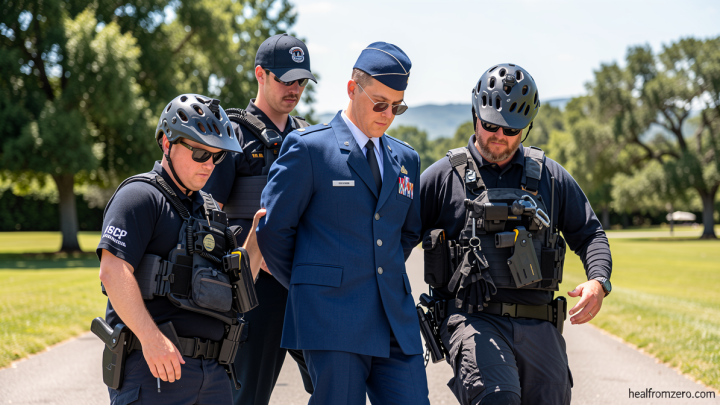
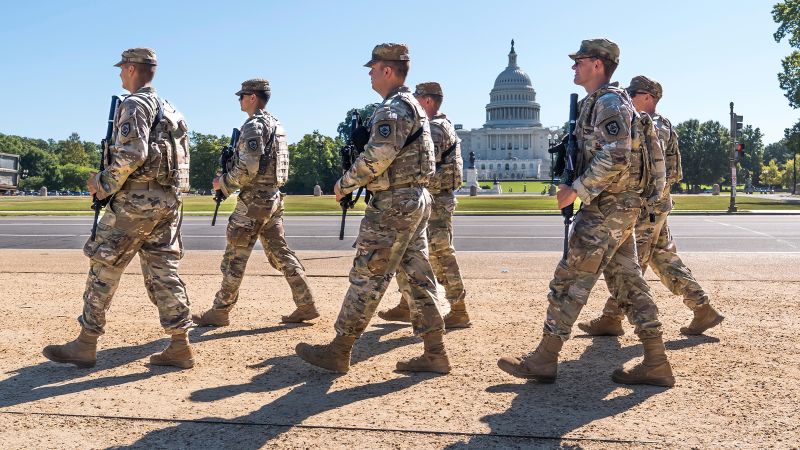
Federal law generally prohibits troops or armed personnel from being sent to places where general or special elections are being held. Under 18 U.S.C. § 592, an exception applies to personnel who are voting themselves, but election-law experts say it does not authorize officers to be stationed at polling sites for routine enforcement activity.
The issue gained attention after Homeland Security Secretary Markwayne Mullin was asked whether Immigration and Customs Enforcement officers could be sent to polling locations in November. Mullin said officers might appear only in limited situations, such as responding to a threat or serving a warrant for someone agents were already pursuing.
“The only reason why we would be at polling places, if there is a threat to that polling place or we’re serving a warrant on someone that we have been actively tracking down,” Mullin said.
Mullin later added: “If we’re serving a warrant, we will be where we need to be.” Election advocates objected, arguing that executing a warrant at a polling location could still conflict with the federal ban on armed personnel at elections.
David Becker, executive director of the nonprofit Center for Election Innovation & Research, said officials who ordered such a deployment could face legal consequences.
“I hope someone in his office has made him aware of 18 U.S.C. § 592,” Becker said. “That is illegal, and anyone who orders anyone to do that is committing a federal crime.”
ICE and FBI comments fuel questions
A Department of Homeland Security spokesperson said ICE was not planning operations aimed at polling locations. The spokesperson said some officers could be ready to respond if local law enforcement requested help during an incident.
Mullin had offered a similarly narrow explanation during his March confirmation hearing, saying any officer presence would be connected to a specific threat and not intended to intimidate voters.
“The only reason why my officers would be there is if there was a specific threat for them to be there, not for intimidation,” Mullin said in March.
Concerns also stem from Mullin’s earlier decision to send ICE officers to airports during a government shutdown. Immigration authorities have long enforced immigration laws in airports, but the broader use of ICE officers to assist with security and passenger lines raised questions about whether federal resources could be used in other settings.
The administration has repeatedly alleged widespread voter fraud involving immigrants living in the United States illegally, despite offering no evidence that such fraud is widespread. Maryland Gov. Wes Moore, a Democrat, described the concern as part of a broader threat to democratic elections.
During a Senate Judiciary Committee hearing, FBI Director Kash Patel was also asked whether he would send FBI personnel to polling locations. In an exchange with Democratic Sen. Amy Klobuchar, Patel did not clearly rule out such action or acknowledge that it would be unlawful.
“Election integrity is of paramount importance,” Patel said. “This FBI will not shy away from that effort.”
FAQ: What voters should know
Will the Trump administration send personnel to my polling place? The administration has not announced plans for ICE operations aimed at polling places. DHS has said officers could be prepared to respond to an incident if local law enforcement requested assistance.
Can federal troops be stationed at a polling site? Federal law generally bars troops or armed personnel from being sent to a place where a general or special election is being held, apart from limited exceptions.
What should voters do if they feel intimidated? Voters who believe someone is interfering with their ability to vote should alert local election officials or poll workers and document the incident when it is safe to do so.