It’s not just a gut feeling: Foodborne illness outbreaks are especially bad this summer

Daftar Isi
Summer 2026: A Perfect Storm for Foodborne Illnesses Across America
Healfromzero.com – Shoppers navigating grocery aisles and diners scanning lunch menus this season face a higher-than-usual risk of foodborne illness. Recalls have proliferated, and health officials are tracking an unusual concentration of contamination events. Federal statistics indicate that the current summer represents one of the most challenging periods for food safety in recent memory, with multiple compounding factors driving the surge in cases.
Unprecedented Numbers on the Horizon
The U.S. Food and Drug Administration has documented a sharp increase in outbreak investigations compared to historical averages. Between 2021 and 2025, the agency typically examined approximately 25 foodborne illness outbreaks annually. By mid-2026, investigators had already logged 20 separate probes, with 18 clusters still under active review. Perhaps most notably, a dozen new outbreak investigations were filed within just the past two months alone.
While summer traditionally serves as peak season for food contamination events, the current volume is exceptional. Health experts note that no comparable concentration of outbreaks has occurred within such a compressed timeframe over at least the previous half-decade. The cumulative data suggests the United States may be approaching one of its worst years on record for foodborne illness cases.
Multiple Forces Converging
Several interconnected challenges are fueling this summer’s crisis. Unusually high temperatures have created ideal conditions for bacterial and parasitic growth in food products. Simultaneously, a particularly elusive pathogen has emerged as a major contributor to the outbreak numbers. Compounding these environmental factors are structural weaknesses within the public health infrastructure.
Federal budget reductions implemented under the Trump administration have significantly impacted food safety capabilities. Cuts to federal agency inspection programs have reduced the capacity for proactive monitoring. Additionally, grants supporting state and local health departments—organizations responsible for traceback investigations that identify contamination sources—have been diminished. These financial constraints make it more difficult to trace outbreaks to their origins and capture their complete scope.
“We’re seeing the public health system tested right now as it relates to foodborne illness,” said Dr. Manisha Juthani, president of the Association of State and Territorial Health Officials.
What the Data Reveals
The FDA has acknowledged that rising investigation numbers reflect genuine increases in cases, not merely improvements in detection methods. In correspondence with news organizations, the agency emphasized that enhanced laboratory capabilities and strengthened surveillance efforts naturally lead to identifying more cases. However, the underlying trend points to a genuine escalation in foodborne illness events.
The four pathogens currently driving most investigations—cyclospora, E. coli, listeria, and salmonella—represent the most common culprits in outbreak scenarios over the past five years. Yet food safety specialists caution that simply counting outbreaks or recalls does not fully capture the true risk to consumers. A single recall notice might encompass multiple products distributed across numerous retail locations and restaurant chains.
“We need to measure these five things: severity, frequency, scale, public health burden and systems performance. Are the same preventable failures recurring despite regulations intended to stop them?” asked Darin Detwiler, a food safety advocate and former professor of food policy and corporate social responsibility at Northeastern University.
The Cyclospora Crisis Takes Center Stage
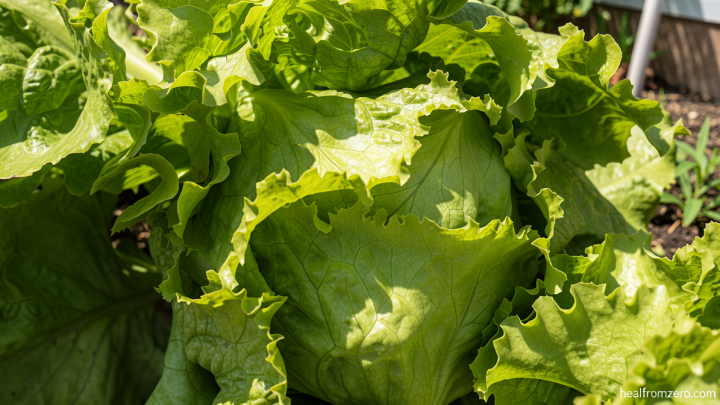
One outbreak dominates the current statistics. The cyclosporiasis epidemic linked to iceberg lettuce has become the largest cyclosporiasis outbreak ever recorded in the United States and ranks among the most significant foodborne illness events overall. Taylor Farms, a major distributor, has faced scrutiny as the outbreak has unfolded. The contaminated lettuce was served at restaurant chains including Taco Bell and distributed through broader retail channels.
As of last week, at least 6,358 illnesses had been connected to this single outbreak—surpassing the total number of cases from all outbreaks combined over the previous four years. Thousands more cases remain under investigation. This one event alone accounts for the vast majority of the 7,400 foodborne illness cases documented so far in 2026, according to FDA and Centers for Disease Control and Prevention data. That figure represents nearly five times the annual average of approximately 1,500 cases recorded between 2021 and 2025.
Looking Ahead
Beyond the cyclospora outbreak, other contamination events are accumulating at a rapid pace. FDA data reveals more than 1,000 additional illness cases tied to separate outbreaks in 2026. With approximately four months remaining in the year, projections indicate the United States will likely exceed the average annual case count from the past five years.
Food safety professionals emphasize that measuring illness counts provides a more accurate picture of risk than tracking outbreak numbers alone. The current situation underscores the importance of robust surveillance systems, adequate funding for public health infrastructure, and coordinated efforts across the global food supply chain. As Dr. Juthani noted, the public health system is being actively tested, and how it responds will shape food safety outcomes for years to come.
Related Reading
Frequently Asked Questions
What is It s not just a gut feeling?
It s not just a gut feeling is the main topic of this guide. The article explains the context, practical details, and next steps readers should understand.
Why does It s not just a gut feeling matter?
It s not just a gut feeling matters because readers are looking for a useful answer, not just a short summary. Good content should match search intent and help them decide what to do next.