Russia pounds Kyiv one day after visit by Witkoff and Kushner

Daftar Isi
Kyiv Hit by Russian Missile Barrage as Fragile Diplomatic Window Slams Shut
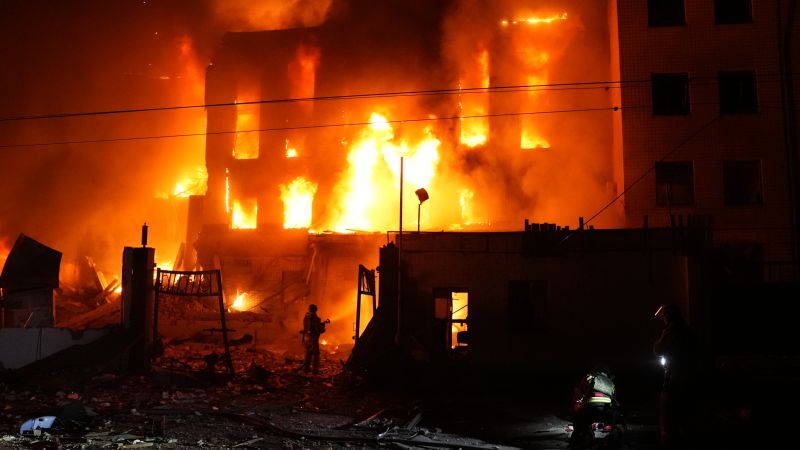
Healfromzero.com – The brief reprieve that had shielded Ukraine’s capital from Russian strikes for three days ended abruptly on Tuesday morning, when a salvo of ballistic missiles, cruise missiles, and drones tore through Kyiv’s skyline. The assault came just 24 hours after American special envoys departed the city, underscoring how quickly the fragile architecture of diplomacy can collapse under the weight of continued warfare.
Explosions ripped through multiple districts in the early hours of the day, sending residents scrambling into shelters and setting ablaze structures across the metropolitan area. Ukrainian authorities confirmed that six civilians sustained injuries in the barrage, while apartment blocks and other residential structures sustained structural damage. Fires broke out in several locations, including at a school, and residents were pinned inside at least one apartment building as rescue crews worked through the smoke and debris.
A Truce That Lasted Exactly as Long as Promised
The 72-hour pause on strikes against each other’s capitals had been negotiated as a narrow corridor for diplomacy during a weekend of high-level meetings. It expired precisely on schedule, and Moscow appeared to mark the moment with force. The timing was not lost on observers: the very first salvo after the deadline passed served as a reminder that neither side had moved beyond tactical gestures toward a durable ceasefire.
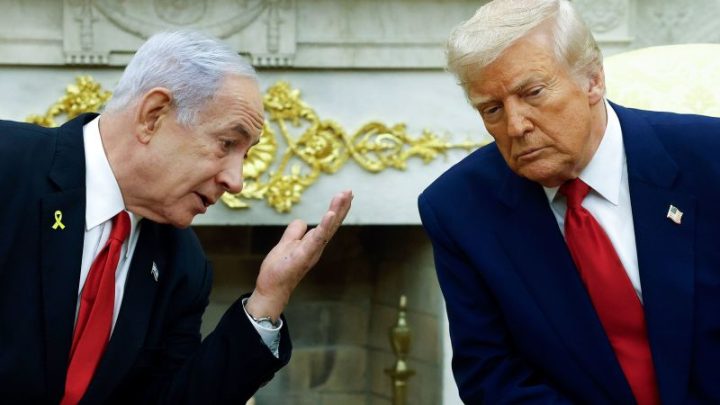
The weekend’s diplomatic effort had been spearheaded by Steve Witkoff and Jared Kushner, the latter being son-in-law of President Donald Trump. The two envoys spent Sunday in Kyiv meeting Ukrainian leadership, having concluded intensive sessions with President Vladimir Putin in Moscow the day before. Their itinerary was designed to inject momentum into negotiations that had ground to a halt over preceding months.
“Substantive progress was made, including movement on scheduling additional trilateral talks,” Witkoff wrote on X following the meetings.
Yet no concrete breakthroughs were announced, and the language of “scheduling” left the substance of any agreement firmly in the future tense. The absence of a signed framework or a verifiable de-escalation plan meant that the weekend’s gains, whatever their internal weight, offered no structural protection once the clock ran out.
Escalation Before the Pause
The three-day lull had been purchased against a backdrop of intensifying pressure on Kyiv. In the weeks preceding the diplomatic window, Russian forces had stepped up the tempo of strikes on the capital, targeting both military infrastructure and civilian areas with increasing frequency. The most dramatic incident came on Friday, when a daytime missile strike struck the headquarters of Ukraine’s Security Service (SBU) — the first time that building had been hit since the full-scale invasion began. Analysts read the blow as a signal that Kyiv’s air-defense network, already strained by critical shortages of interceptor missiles, was losing its ability to shield high-value assets from precision weapons.
The cumulative effect of those weeks of bombardment was to leave the capital’s population on edge and its defensive posture stretched thin. Tuesday’s barrage, arriving immediately after the truce lapsed, confirmed that the underlying military dynamic had not shifted, regardless of what was discussed in closed rooms over the weekend.
Spillover and Counter-Pressure
The scale of Tuesday’s launch prompted neighboring Poland to scramble military aircraft to guard its own airspace, a precaution that reflected how close the conflict’s edges have crept to NATO’s eastern flank. In Moscow’s direction, the governor of Saratov announced on Telegram that a Ukrainian drone had struck civilian infrastructure in the city, injuring several people — a reminder that Ukraine has, over recent months, extended its own long-range strike campaign deeper into Russian territory.
That reciprocal reach marks a significant evolution in the war’s geography. Where earlier phases saw Ukrainian forces focused on defending their own borders, the current posture involves sustained pressure on Russian logistics, energy nodes, and population centers hundreds of kilometers from the front line. The result is a war of mutual attrition in which neither side can claim a monopoly on the other’s pain, and in which diplomatic pauses, however sincere, remain vulnerable to the next salvo.
What Comes Next
The expiration of the truce leaves both capitals back at the negotiating table with no new leverage gained and no verified reduction in hostilities. Witkoff’s reference to “additional trilateral talks” suggests that Washington intends to keep the channel open, but the gap between scheduling a meeting and producing a binding arrangement remains vast. For Kyiv’s residents, the practical question is simpler and more immediate: whether the next window of silence will arrive before the next wave of missiles, and whether the interceptor missiles needed to intercept them will be in the silos when they do.
The story is developing. Further details on casualties, infrastructure damage, and diplomatic responses are expected as the day unfolds.
Related Reading
Frequently Asked Questions
What is Russia pounds Kyiv one day after?
Russia pounds Kyiv one day after is the main topic of this guide. The article explains the context, practical details, and next steps readers should understand.
Why does Russia pounds Kyiv one day after matter?
Russia pounds Kyiv one day after matters because readers are looking for a useful answer, not just a short summary. Good content should match search intent and help them decide what to do next.