At least 11 killed after avalanche hits climbers in Russia’s North Caucasus

Daftar Isi
Avalanche on Mount Mizhirgi Claims at Least 11 Lives in Russia’s North Caucasus
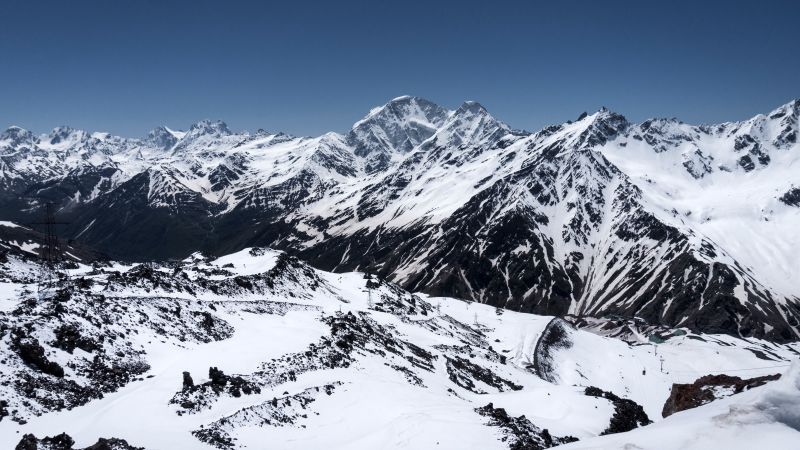
Healfromzero.com – A devastating avalanche tore through a climbing party on one of the tallest summits in Russia’s North Caucasus range on Sunday, killing at least 11 members of a 33-person group and injuring six others. The disaster struck Mount Mizhirgi in the Kabardino-Balkaria republic, sending a wall of snow and ice cascading down the slope at approximately 5 p.m. local time (9 a.m. Eastern Standard Time) and burying or scattering the climbers caught in its path.
Local emergency services confirmed the death toll and injury count in statements released over the following hours. The scale of the loss made it one of the deadliest single-incident climbing disasters recorded in the region in recent years, and it immediately triggered a large-scale search-and-rescue mobilization across the mountainous terrain.
The Moment of Impact and Immediate Aftermath
The avalanche released from the upper slopes of Mount Mizhirgi, a peak that ranks among the highest in the entire North Caucasus system. At the time of the event, 33 climbers were on the mountain, either ascending toward the summit or navigating the upper approaches. The sudden release of snow and debris swept through the group with little warning, overwhelming those in its direct path and creating chaos among survivors who had to react within seconds.
By 9 a.m. local time on Monday, ten of the climbers had managed to find their own route down the mountain without external assistance. However, the whereabouts and condition of six additional members of the party remained unconfirmed as of that morning, according to emergency coordination officials. The remaining individuals were either buried under snow, separated from the group by the avalanche’s lateral spread, or stranded on sections of the slope that had become impassable.
Rescue Operation Under Severe Constraints
More than 50 emergency workers were deployed to the area in the hours following the disaster, working in teams to comb the affected slopes, locate survivors, and extract the injured. The operation faced formidable obstacles from the outset: the terrain around Mount Mizhirgi is steep, heavily glaciated in places, and riddled with crevasses and unstable snowfields that make systematic search extremely slow and dangerous.
Compounding the difficulty, meteorological conditions kept the risk of secondary avalanches elevated throughout the rescue window. Workers had to balance the urgency of reaching potential survivors against the very real danger of being caught in another slide. Each sweep of a slope required careful timing, often limited to brief windows between weather shifts, and every extraction route had to be assessed repeatedly as snow conditions changed.
The six injured climbers who were located required medical attention ranging from hypothermia and frostbite to more serious trauma sustained during the initial impact. Transporting them from the mountain to a hospital in the regional capital demanded coordination between ground teams and, where conditions permitted, air assets.
Mount Mizhirgi and the North Caucasus Climbing Landscape
The North Caucasus range, stretching across several Russian republics including Kabardino-Balkaria, Chechnya, Dagestan, and others, has long served as a major domestic climbing and mountaineering destination. Peaks in the region reach elevations above 5,000 meters, and the combination of accessible approaches, established trail networks, and relatively short travel times from major cities makes the area popular with both experienced alpinists and organized amateur groups.
Mount Mizhirgi itself sits within the Kabardino-Balkaria republic and is recognized as one of the highest summits in the northern sector of the Caucasus system. Its upper slopes are subject to significant snow accumulation and periodic avalanche activity, particularly during transitional seasons when temperature fluctuations destabilize the snowpack. Climbers attempting the peak typically navigate exposed ridgelines and steep snowfields where a single unstable slab can release a large volume of material.
The North Caucasus has experienced a growing number of climbing incidents over the past decade, driven in part by rising participation from recreational groups that may lack the technical experience to assess avalanche conditions or execute self-rescue in complex terrain. Regional authorities have periodically called for stricter registration requirements and mandatory weather briefings for organized parties, though enforcement across the vast and often remote mountain areas remains challenging.
What Comes Next
As of the latest available information, the search for the six climbers whose status remained unknown continued under difficult conditions. Emergency services indicated that the operation would persist until every member of the original 33-person group had been accounted for. Families of the deceased and injured were being notified through regional coordination channels, and local authorities in Kabardino-Balkaria were expected to issue further updates as the situation developed.
The tragedy underscores the persistent hazards that accompany high-altitude mountaineering in the Caucasus, where weather can shift rapidly and the consequences of a single avalanche can be catastrophic for an entire group. For the climbing community in Russia and beyond, the loss of at least 11 lives in a single event on Mount Mizhirgi will prompt renewed scrutiny of safety protocols, group-size limits, and the adequacy of rescue infrastructure in one of the country’s most beloved mountain regions.
Related Reading
Frequently Asked Questions
What is At least 11 killed after avalanche?
At least 11 killed after avalanche is the main topic of this guide. The article explains the context, practical details, and next steps readers should understand.
Why does At least 11 killed after avalanche matter?
At least 11 killed after avalanche matters because readers are looking for a useful answer, not just a short summary. Good content should match search intent and help them decide what to do next.