Wildfire season is off to a historic start and it could get worse

Wildfire season is off to a historic start and it could get worse
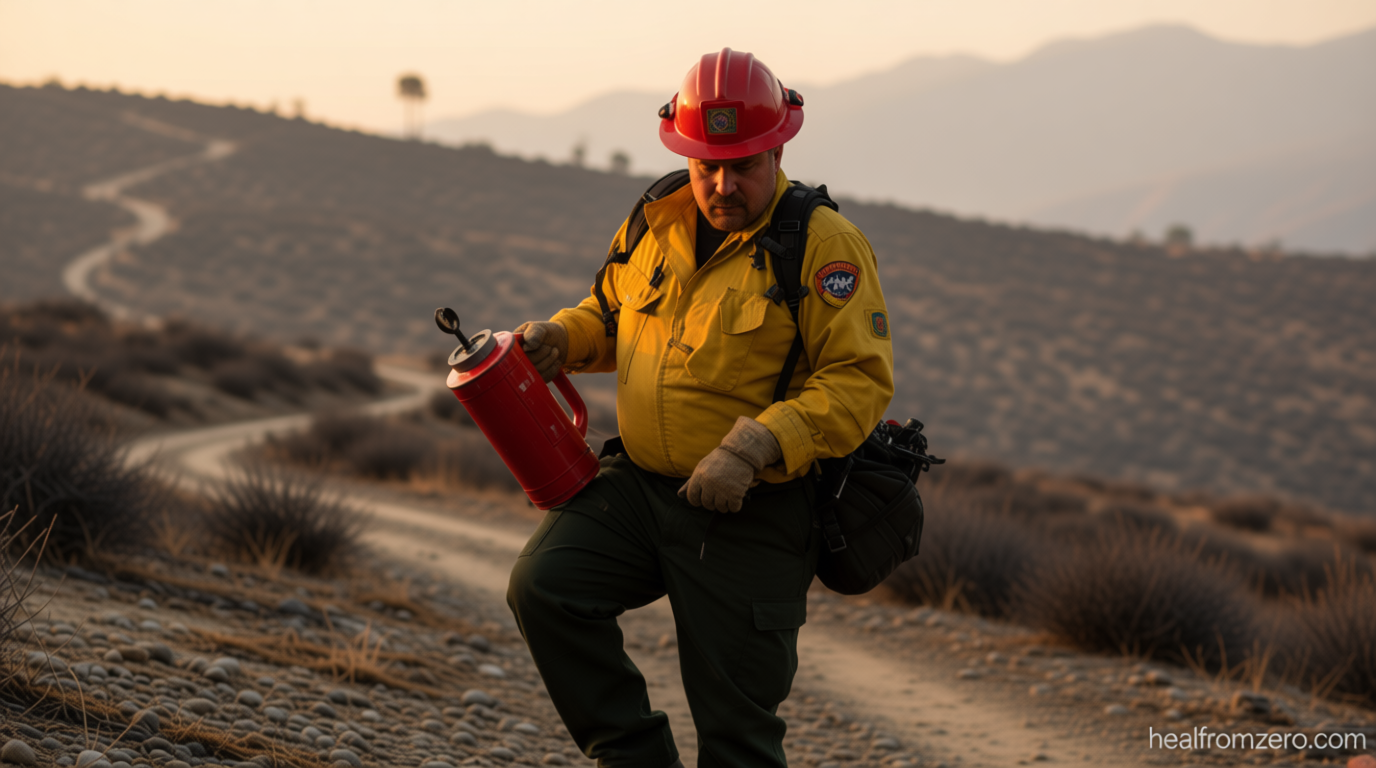
Wildfire season is off to a historic – As the spring season unfolds, the United States is grappling with a wildfire outbreak that has exceeded expectations. Southern Georgia, a region typically spared from such intense blazes, has seen an alarming surge in fire activity, with flames consuming homes at a record pace. In Nebraska, the largest fire in the state’s history has scorched over 600,000 acres of agricultural land, claiming one life in the process. Meanwhile, outside Los Angeles, an unusually early fire has prompted evacuation alerts for thousands, signaling a shift in the traditional timing of such disasters.
A Record-Breaking Spring
Experts warn that this year’s wildfire season is not only outpacing previous years but may continue to intensify as summer approaches. According to national data, nearly 30,000 fires have ignited across the country since the start of the year, marking the highest number in nearly two decades. Over 2 million acres have been lost to flames, a figure that surpasses the 10-year average by more than double and represents the largest burn area in 14 years.
The Southeastern United States has borne the brunt of this crisis, with the most severe wildfires reported in Georgia, Florida, and North Carolina. Researchers note that these blazes are occurring closer to urban centers than usual, complicating efforts to protect communities. In Georgia, the situation has escalated to historic levels, with over 3,000 fires burning 83,000 acres this year—a number that is nearly double the average for the past five years. Thomas Barrett, a forest protection chief with the Georgia Forestry Commission, emphasized that the drought conditions have been worsening since late 2025, reaching critical levels this spring.
“It’s taken this long to finally get about as bad as it could get,” Barrett remarked.
Adding to the severity, weather systems have delivered prolonged dry air and strong winds, creating ideal conditions for fires to spread rapidly. These elements have combined to form a “perfect storm” of combustion, as Barrett described, leaving residents in the Southeast to contend with smoke that has drifted hundreds of miles to cities like Atlanta.
A Cascading Crisis
Meanwhile, the Western states have already witnessed destructive wildfires earlier than anticipated, raising concerns about the trajectory of the season. Morgan Varner, research director at Tall Timbers Research Station & Land Conservancy in Tallahassee, Florida, highlighted the urgency of the situation, stating, “Here we are in May, and we’re talking about people losing their houses and lives.” Her words underscore a broader pattern: the combination of climate change, low snowpack, and a developing “Super” El Niño event is pushing the U.S. into a potentially perilous fire season.
“Several factors all point to a really bad year in many regions,” Varner explained.
El Niño, a climate phenomenon characterized by warmer-than-average sea surface temperatures in the Pacific, is expected to bring erratic weather patterns that could further exacerbate the problem. This, coupled with an underlying warming climate, has intensified the likelihood of hot, dry conditions that fuel wildfires. The National Interagency Fire Center forecasts continued high fire activity through July, with the hope that summer thunderstorms will eventually provide relief.
Impact on Communities
The consequences of these fires extend beyond the land. In Georgia, families have lost homes, pets, and cherished memories as flames swept through neighborhoods. One notable incident was the April Highway 82 Fire, which was believed to have originated from a party balloon landing on a power line. This blaze destroyed over 120 homes, surpassing past records and likely becoming the most destructive in the state’s history, according to Barrett.
Varner, who has studied fire dynamics for years, noted that the Southeast is no stranger to wildfires, but this year’s events have been particularly devastating. “We’ve been in an area where wildfires are almost never seen,” she said, reflecting on the disruption caused by smoke. Residents now find themselves coughing on wildfire smoke while engaging in everyday activities like mowing lawns or tending to gardens.
“The problem is not just what happens during late May or late summer,” Varner added. “It’s the rollover, that sort of carryover effect that would affect…”
Across the country, the strain on firefighting resources has been immense. Many states have postponed their prescribed fire programs, a critical practice that involves controlled burns to reduce vegetation buildup. This delay has left areas more vulnerable to uncontrolled blazes. In Florida, the number of executed prescribed fires has reached a 25-year low, according to Varner. This trend, she argued, is part of a larger pattern where the Southeast has fallen behind in its fire management efforts.
With the cumulative effects of drought, high temperatures, and erratic weather patterns, the outlook for the remainder of the year remains grim. Barrett expressed hope that the peak of the fire season might be nearing, stating, “I keep my fingers crossed that we’re peaking about now, and that we’ll start going down in a couple of months.” However, the challenges in the Southeast are far from over, as he noted that “almost every state is about halfway where they should be” in terms of fire activity.
Broader Implications
These unprecedented wildfires are a stark reminder of the growing impact of climate change. The Southeast has seen a notable increase in fire activity over recent decades, driven by shifts in vegetation and rising temperatures. As the season progresses, the interplay of these factors is expected to create a feedback loop, where each fire season builds on the last, intensifying the risk for future outbreaks.
While the immediate focus is on combating the fires that have already ignited, the long-term consequences are equally concerning. The combination of low snowpack in the West, prolonged drought in the East, and the unpredictable weather brought by El Niño creates a perfect environment for fires to thrive. Varner warned that the carryover effect from this season’s blazes could extend into the next, compounding the challenges faced by communities already on high alert.
As the nation prepares for the remainder of the wildfire season, the need for coordinated efforts in both prevention and response has never been more critical. With 2 million acres burned and the potential for more to come, the lessons from this spring are clear: the wildfire season is not just a seasonal phenomenon but a growing crisis that demands immediate attention. The data, the destruction, and the voices of experts all point to a summer that may test the resilience of the U.S. in ways not seen in decades.