Can you bring a legendary airline back to life? Pan Am is about to find out

Can you bring a legendary airline back to life? Pan Am is about to find out
Can you bring a legendary airline – Pan Am, once the crown jewel of American aviation, has been absent from the skies for over three decades. Yet, its name continues to evoke a sense of nostalgia and prestige, symbolizing an era of bold exploration and cosmopolitan elegance. In February 2024, a new chapter began when a group of investors, led by Californian entrepreneur Craig Carter, acquired the Pan Am trademark and its intellectual property. This move marks the latest effort to revive the airline, now envisioning it not just as a carrier but as a lifestyle brand that permeates every facet of travel.
The Golden Age of Pan Am
Established in 1927 as Pan American Airways, the airline quickly became a pioneer in global aviation. Its founder, Juan Trippe, was a visionary who transformed air travel from a luxury into a practical mode of transport. Pan Am’s contributions to the industry were monumental: it introduced transatlantic routes, revolutionized long-distance travel, and played a pivotal role in the development of the Boeing 707 and 747, aircraft that redefined the modern jet age. For nearly four decades, it stood as the leading U.S. carrier abroad, embodying American soft power through its seamless service and iconic branding.
The airline’s closure in 1991 was a result of a confluence of factors, including strategic missteps and external challenges. The oil crisis of the 1970s, combined with the Lockerbie bombing in 1988, significantly impacted its financial stability. Despite these setbacks, the Pan Am brand endured, becoming synonymous with the era of air travel that many still romanticize. Its influence extends beyond its operational years, shaping the perception of what air travel should be—graceful, efficient, and globally connected.
A Retro Revival in the Sky
Reviving a dormant brand is no small feat, especially after 30 years. However, the enthusiasm surrounding Pan Am has proven undeniable. In June 2025, a bold test of this revival took place with a Pan Am-branded airplane embarking on a 12-day “air cruise” to destinations that once defined the airline’s legacy. The route included stops in Bermuda, Lisbon, Marseille, London, and Shannon, Ireland, offering passengers a curated experience of the airline’s storied past. Each ticket cost around $60,000, yet the itinerary sold out within three days, underscoring the brand’s enduring appeal.
“The success of this event has been a critical validation of our vision,” says Ed Wegel, an aviation veteran and the new airline’s CEO. “It shows that even if today’s travelers didn’t witness Pan Am’s golden age, there’s a strong demand to reconnect with its legacy.”
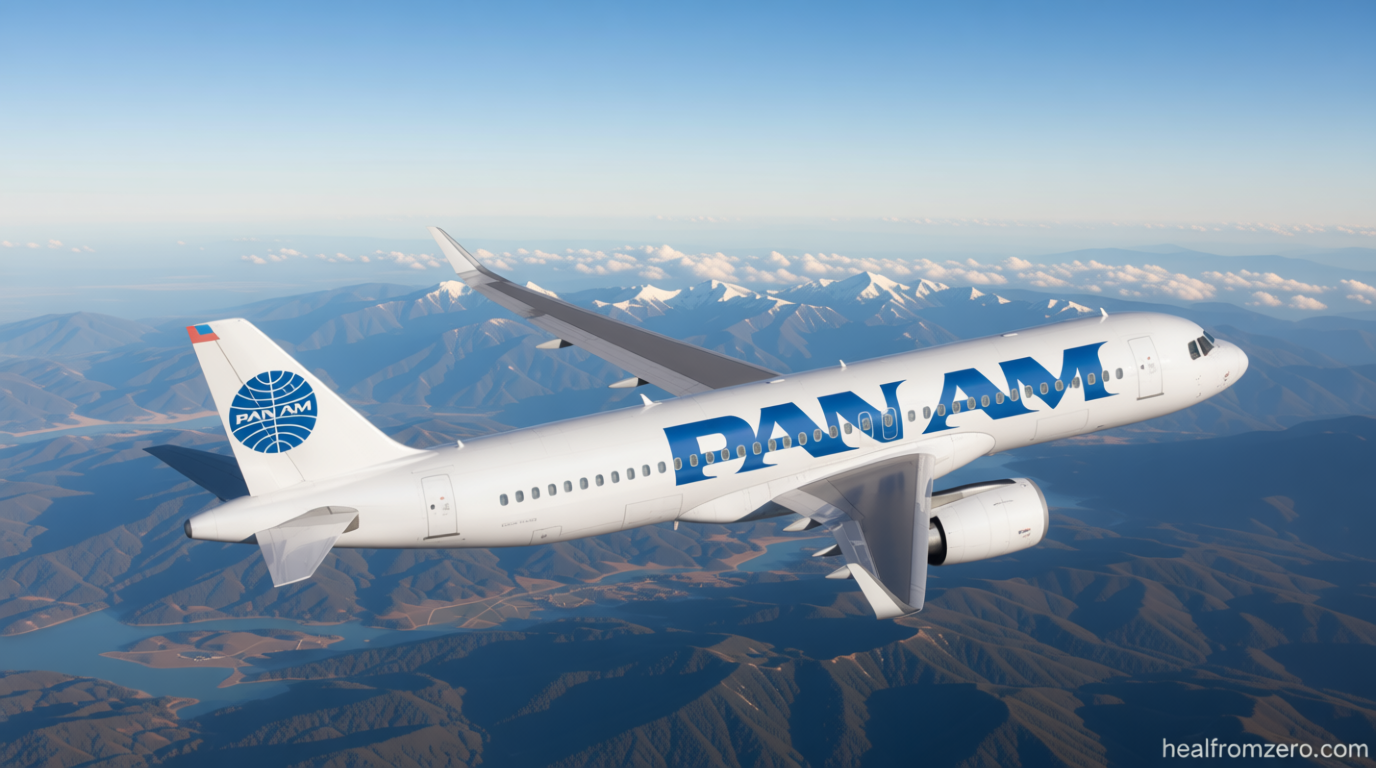
The aircraft, a Boeing 757-200 leased from Icelandair, was painted in the classic Pan Am livery—bold blue and white with a globe emblem. It featured 50 full lie-flat seats, allowing passengers to experience the airline’s historical grandeur in comfort. This single flight was not merely a nostalgia trip; it served as a trial run for the broader ambitions of the Pan Am resurrection. The event’s popularity has given backers confidence that the brand can sustain itself beyond fleeting promotional gestures.
From Nostalgia to Operations
While the 2025 air cruise was a significant milestone, the new Pan Am project aims to go further. At its core is a plan to launch a full-service airline, re-establishing the Pan Am name as a functional entity in the modern aviation landscape. This shift from a symbolic brand to an operational one reflects a commitment to reviving the airline’s essence—not just in design, but in service and global connectivity.
Plans have evolved since the initial discussions. Initially, the team considered focusing solely on business class cabins, but this has expanded to a three-class model. “We want to offer a comprehensive experience that mirrors the airline’s original identity,” Wegel explains. The challenge now lies in acquiring the right aircraft, a task complicated by the aviation industry’s current capacity constraints. “Finding suitable planes is the primary hurdle,” he adds.
Despite these hurdles, the new Pan Am project has made strides. The airline’s backers are eyeing Airbus models, moving away from the Boeing lineage that once defined its fleet. “The Airbus A220 is ideal for our current goals, though we may start with A320s if availability permits,” Wegel notes. The long-term vision includes operating a mix of single-aisle and widebody aircraft, with aspirations to eventually fly long-haul routes. “We aim for a fleet of 25-30 single-aisle planes and 10-15 widebodies,” he says. However, the timeline for this expansion remains uncertain.
The revival effort is still in its early stages, with no official launch date set. Yet, the brand’s resilience is evident. Aviation enthusiasts and collectors have shown a willingness to pay premium prices for a taste of the past, even as the new Pan Am seeks to blend that heritage with contemporary needs. The airline’s legacy, once considered untouchable, is now being reimagined for a new generation of travelers who value both history and modern convenience.
As the project moves forward, the question remains: can the spirit of Pan Am be rekindled in today’s fast-paced, cost-conscious world? The answer may lie in how well the new owners can balance reverence for the past with innovation for the future. With a brand that has weathered decades of change, the challenge is not just about flying again, but about redefining what it means to travel in the 21st century.
For now, the Pan Am name continues to captivate, appearing on hotels, lounges, and even restaurants. Its presence in everyday travel spaces reinforces its cultural significance. Yet, the true test will come when it steps back into the skies, delivering not just a flight, but an experience that honors its storied history while embracing the realities of today’s aviation industry. The success of the 2025 air cruise has ignited hope, but the journey to restore Pan Am to its former glory is far from over.