What we know about NYC’s newly released 9/11 records revealing officials misled public about air safety

Daftar Isi
Newly Released 9/11 Files Detail Longstanding Questions Over Ground Zero Air Safety
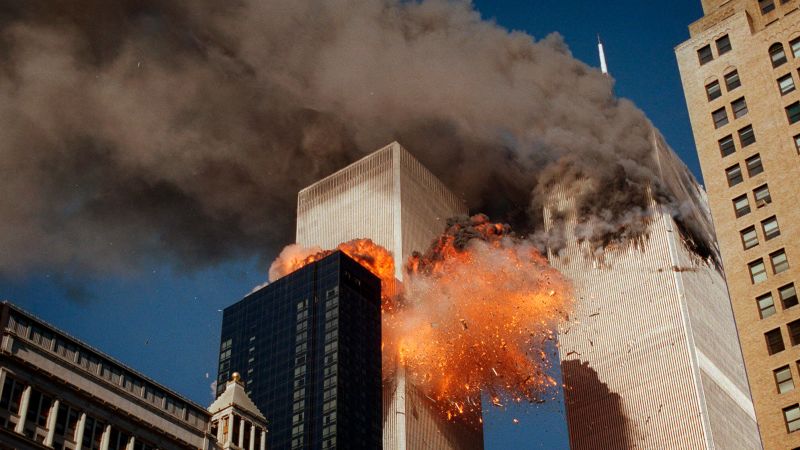
Healfromzero.com – New York City has opened more than 170,000 pages of records that illuminate how officials addressed the health dangers following the September 11, 2001, destruction of the World Trade Center. Released shortly before the 25th anniversary of the attacks, the files contain internal communications and environmental-testing material that conflict with public assurances given to people living and working near Ground Zero.
The release carries particular weight for survivors, residents, cleanup workers and first responders whose illnesses have shaped the decades since the attacks. Nearly 3,000 people died on September 11, while thousands of others have since died from cancers and illnesses linked to 9/11 exposure, including responders who spent extended periods at the site.
Warnings in Internal Records
The documents describe repeated public statements that portrayed Lower Manhattan’s air as safe while internal information raised concerns about toxic contamination. Environmental tests conducted during October and November 2001 frequently found heightened levels of pollutants, including asbestos and hazardous chemicals that can be difficult to detect.
One internal memo, written by Associate Health Commissioner Kelly McKinney on October 6, 2001, warned that asbestos-related air conditions in certain locations were “not yet suitable for reoccupancy.” The same day, then-Mayor Rudolph Giuliani publicly said the air was safe, the newly released records state.
The material also details failures in protecting first responders and alleges that asbestos findings and other test results were not fully shared with the public. Residents near the disaster zone were encouraged to resume normal activities despite their own concerns and data that pointed in another direction.
Independent scientists and environmental organizations later challenged Giuliani’s claims about the air. Public statements from the period encouraged New Yorkers to return to Lower Manhattan, even as the enormous cleanup effort continued amid the debris left by the twin towers’ collapse.
A Record of What the City Knew
Mayor Zohran Mamdani announced the publication of the records at a Tuesday news conference. He framed the documents as part of a broader reckoning with the continuing consequences of the attacks.
“As the years pass and the human toll grows, we reckon with the cost of September 11th whenever another New Yorker is stolen from us too soon,” Mamdani said.
When asked whether the lengthy failure to disclose the material amounted to a cover-up, Mamdani pointed to decisions spanning several city administrations.
“This was multiple mayoral administrations refusing to release documents that New Yorkers were owed,” Mamdani said.
The files were found last year in 68 boxes stored in a city government office. Officials plan to place them in a searchable public portal, where each item can be viewed and downloaded without charge. Additional records are expected to be uploaded gradually in the months ahead.
The available files may represent only part of the environmental reporting conducted around Ground Zero. Even so, the internal memos provide a more detailed picture of the pressures city officials faced as they sought to stabilize Lower Manhattan, reopen businesses and restore public confidence after an unprecedented attack.
Advocates Pressed for Disclosure
For years, advocates, survivors and first responders called on the city to release the records. Many of those voices came from people who became ill after exposure to the toxic dust and smoke that spread across the area after the towers fell.
The city’s action settles litigation filed by 9/11 Health Watch. The organization sought the records in hopes that fuller disclosure could support further research into long-term health outcomes and help secure additional federal assistance for those affected.
Ben Chevat, the group’s executive director, addressed Mamdani during the announcement and described the release as a delayed response to a question that has endured for a quarter-century.
“Mr. Mayor, I want to thank you for being the mayor who, after 25 years, begins to answer the question: What did the city know about the dangers from the toxic cloud at Ground Zero, and when did it know it?” Chevat said.
The controversy did not end with Giuliani’s administration. News coverage from February 2002 quoted former Mayor Michael Bloomberg, Giuliani’s successor, as saying that testing showed air quality remained within acceptable limits.
“Every test that has been done says the air quality was in acceptable limits. I think some people are just never going to believe that,” Bloomberg said in 2002.
A spokesperson for Bloomberg declined comment on Tuesday.
Why the Release Matters Now
The records do not undo the health consequences endured by people exposed in the aftermath of 9/11. They may, however, give families, researchers and advocates a clearer account of how public-health decisions were made during one of New York City’s most traumatic periods.
For residents who were told it was safe to remain in or return to the area, and for responders who worked amid the wreckage for months, the archive offers documentation that had remained out of reach. Its release also underscores that the effects of September 11 extend far beyond the day of the attacks, continuing through illnesses, losses and unresolved demands for accountability.
Related Reading
Frequently Asked Questions
What is What we know about NYC s newly?
What we know about NYC s newly is the main topic of this guide. The article explains the context, practical details, and next steps readers should understand.
Why does What we know about NYC s newly matter?
What we know about NYC s newly matters because readers are looking for a useful answer, not just a short summary. Good content should match search intent and help them decide what to do next.