Rent control doomed this mayor’s re-election campaign. He has no regrets

Daftar Isi
Providence’s Housing Debate Reshapes Its Mayoral Race
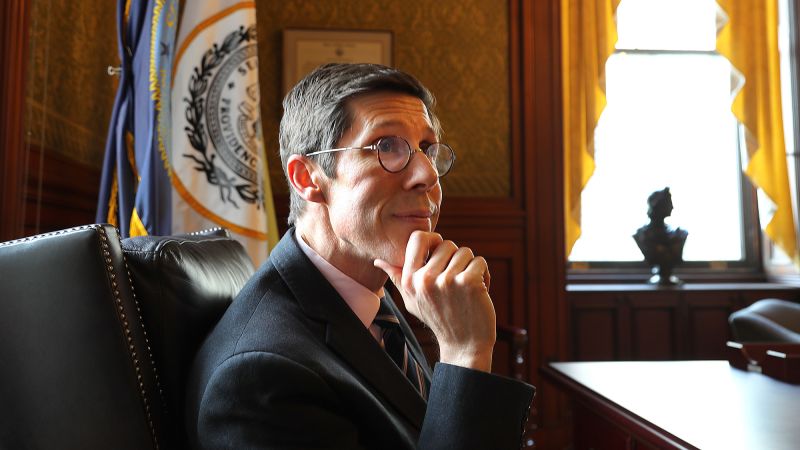
Healfromzero.com – Providence Mayor Brett Smiley entered office in 2022 promising to make Rhode Island’s capital easier to build in. His administration embraced a pro-development approach: loosen zoning rules, reduce permitting barriers and encourage construction in a city facing a severe shortage of homes.
That agenda helped produce a notable increase in apartment construction. In the city’s most recent fiscal year, Providence added more apartments than it had in any single year in two decades. Forty percent of those new units were designated affordable.
Yet Smiley’s refusal to support rent control became the defining issue of his re-election campaign. In April, he vetoed legislation approved by the Providence City Council that would have limited annual rent increases. The dispute placed a mayor focused on expanding supply against tenants and activists seeking faster protection from rapidly rising rents.
Smiley was defeated in September’s Democratic primary by David Morales, a 27-year-old state lawmaker affiliated with the Democratic Socialists of America. It was the first time a Providence mayor had lost a primary election. Morales, who has sharply criticized the rent-control veto, is widely expected to win the general election next month.
A Policy Divide With Immediate Political Consequences
The mayor argued that rent restrictions offered an appealing but ultimately misleading answer to the housing crisis. In his view, limits on rent increases could discourage the construction that Providence needs most.
“I believe it is a false promise,” he said in a phone interview earlier this month. “But it’s good, cheap, easy politics.”
His position was especially difficult in a strongly liberal city where renters have faced extraordinary cost pressures. Median rents in Providence have risen 40% since 2020, and the metropolitan area was ranked last year as the least affordable for renters.
Morales made the alternative case: residents need predictability now, not simply the prospect of more homes years in the future. He has said he would sign rent-control legislation during his first 100 days in office.
“I’ve been unapologetically supportive of capping rent hikes at 4% a year because I believe our neighbors deserve that basic stability,” Morales said in an interview.
He argued that voters wanted a mayor concerned with residents’ interests rather than those of large corporate donors.
What the Providence Measure Would Do
The City Council proposal sought to limit yearly rent increases to 4%, while including exemptions intended to reduce the effect on small landlords and new development. Owners who live in one of their own properties would receive a partial exemption. Newly built apartments would be excluded from the limits for as long as 20 years, and existing units would not fall under the rent rules until five years after construction.
Morales has said those provisions would preserve incentives for developers to continue building. Smiley, however, believed the policy could prompt builders to take projects elsewhere in Rhode Island, leaving Providence as the state’s only city with rent control and putting its development momentum at risk.
The disagreement reflects a broader national argument. Rent limits can reduce housing costs for tenants already living in regulated homes. Critics contend that they can shift higher costs onto renters outside the regulated system and weaken incentives for new construction. The effects depend heavily on the details of a local policy, including exemptions for new buildings and smaller property owners.
A City Under Housing Pressure
Providence’s rental market has been strained by several overlapping forces. College students compete for housing alongside higher-income arrivals from Boston, Connecticut and New York. The city also has one of the nation’s oldest housing stocks, and apartments that become unlivable further reduce the number of available homes.
Rhode Island’s longer construction record adds to the challenge. Housing production has trailed that of many other states since reaching a high point in the 1980s. From 2008 through 2015, builders received fewer than 1,000 permits annually statewide.
For renters confronting monthly increases, a supply-centered strategy can feel too distant. Building more housing often requires changes to land-use rules, financing, permits and construction timelines before it affects the market. That gap between long-term planning and immediate financial pressure has made rent control politically powerful in cities both large and small.
Providence looked to places including Portland, Maine, and St. Paul, Minnesota, as it considered its own approach. Portland voters approved annual rent-increase limits tied to inflation in 2020. Housing construction there has continued to grow since the measure took effect, though the city’s mayor has voiced concern that rent control has made it more difficult for landlords to maintain existing apartments.
The Next Test for Providence
Morales’s likely victory would bring a decisive shift in City Hall’s approach to tenant protections. The central question will be whether Providence can provide relief to renters while retaining the construction activity needed to address its housing shortage.
Smiley’s defeat illustrates the political limits of relying exclusively on long-range housing policy during an affordability crisis. His administration could point to zoning reforms, fewer barriers to development and a surge in apartment construction. But many voters appeared to prioritize a more immediate response to rent increases.
Providence now faces the difficult task of reconciling those goals. Renters need stability, while the city also needs enough new and habitable homes to ease competition for the apartments that remain. The result of that balancing effort will shape not only the next mayor’s early agenda, but also the future of housing in Rhode Island’s capital.
Related Reading
Frequently Asked Questions
What is Rent control doomed this mayor s re?
Rent control doomed this mayor s re is the main topic of this guide. The article explains the context, practical details, and next steps readers should understand.
Why does Rent control doomed this mayor s re matter?
Rent control doomed this mayor s re matters because readers are looking for a useful answer, not just a short summary. Good content should match search intent and help them decide what to do next.