
TSA security to be privatized at Tampa International Airport under new federal program
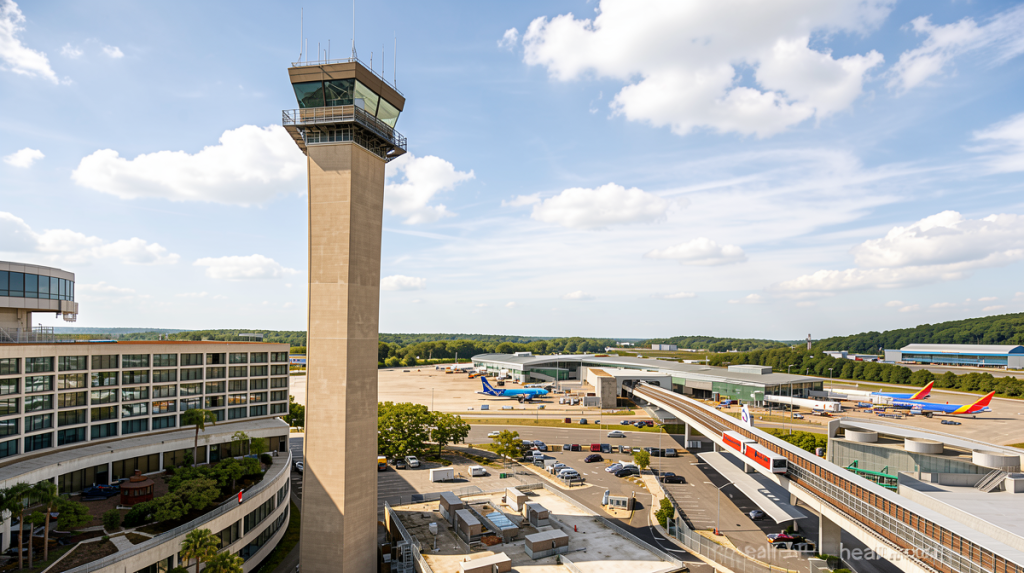
TSA Security to Be Privatized at Tampa International Airport
Healfromzero.com – Tampa International Airport is moving forward with plans to privatize TSA security operations, marking a significant shift in how passenger screening will be handled. The airport officially joined the TSA Gold+ program, a new public-private partnership designed to transition more airport security responsibilities to private companies. This decision comes just months after President Donald Trump introduced a 2027 budget proposal advocating for greater privatization of airport security services. Under the new arrangement, while the TSA maintains regulatory oversight and checkpoints must continue following federal rules, private companies will now hire employees and manage security equipment rather than the federal government.
How the Privatization Will Work
The voluntary program requires airports to submit applications to participate. According to a statement provided to CNN, Tampa International Airport emphasized that joining the TSA Gold+ initiative demonstrates their dedication to modernization and operational resilience in aviation security. The airport noted that privatization offers multiple advantages, including reduced disruption risks from federal funding gaps or government shutdowns, plus increased flexibility for implementing new screening technologies and checkpoint infrastructure. Aviation newsletter Gate Access was the first to report on this development.
Implementation is scheduled for May 31, 2027, according to a TSA employee in Tampa who attended a town hall meeting on Monday. The meeting was led by Adam Stahl, who serves as the acting TSA deputy administrator. Many TSA officers are now navigating difficult career decisions, including applying for positions with the private contractor, seeking other government employment, transferring to different airports, resigning, or retiring sooner than anticipated. One employee described the emotional atmosphere, noting that some workers were visibly upset and others were in tears. These employees had already been informed in May that their airport had submitted an application for the TSA Gold+ program.
“Others put in their retirement paperwork right away,” one TSA employee told CNN, highlighting the immediate impact on workers’ career plans.
Tampa TSA officers will receive priority consideration for positions when a private security vendor is chosen. The White House budget proposal, published in April, mandates that smaller airports enroll in TSA’s Screening Partnership Program, where the federal agency funds private screening personnel. Administration officials project this initiative will generate $52 million in savings while initiating reforms for what they describe as a struggling federal agency. The Gold+ program builds upon an existing framework already utilized by several airports with privatized screening operations, additionally granting participating airports the ability to oversee screening technology management.
Currently, 20 U.S. airports operate private security checkpoint companies under TSA supervision through the Screening Partnership Program. These include San Francisco International, Kansas City International, Orlando Sanford, and seventeen additional smaller airports. The push toward privatizing TSA airport screening gained momentum among legislators and the president over the past year, particularly following government shutdowns that caused significant air travel disruptions.
During periods when TSA employees did not receive paychecks, many chose not to report for work, resulting in extended passenger wait times at various airports. The American Federation of Government Employees, representing approximately 47,000 TSA officers across the nation, has closely monitored the privatization debate. An AFGE spokesperson informed CNN earlier this year that the union anticipated the White House would propose such changes, which were detailed in Project 2025, the Heritage Foundation’s conservative policy framework for Trump’s second term.
AFGE leadership characterized the administration’s efforts during a March news conference as attempts to leverage airport chaos from the shutdown to portray TSA as experiencing “mission failure.” Johnny Jones, secretary-treasurer for AFGE TSA Council 100, emphasized the distinction between security and business interests: “It has nothing to do with your security or your safety. It has everything to do with somebody making a profit.” CNN has contacted the TSA for additional details regarding the privatization timeline and implementation details.