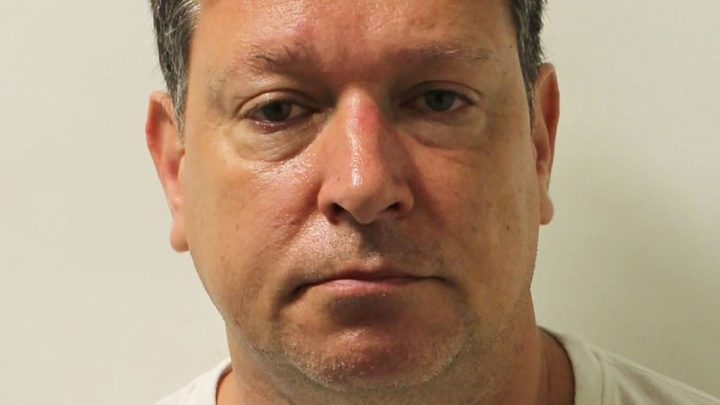
Sean Grayson, former Illinois deputy convicted of killing Sonya Massey, dies in prison, lawyer says

Sean Grayson, Former Illinois Deputy, Dies in Prison
Healfromzero.com – Sean Grayson, a former Illinois deputy from Sangamon County, died while serving a 20-year sentence for the killing of Sonya Massey, his attorney Daniel Fultz confirmed on Sunday. Fultz did not disclose the circumstances surrounding the death. Grayson was 32 when a jury convicted him in October of second-degree murder for shooting Massey in the face inside her own kitchen.
The verdict had already triggered sweeping changes in Illinois policing law, a federal civil rights investigation, and a $10 million settlement between Massey’s family and Sangamon County. His death now raises questions about what happens to accountability when the convicted party passes away before completing a two-decade term.
What the Body-Camera Footage Captured
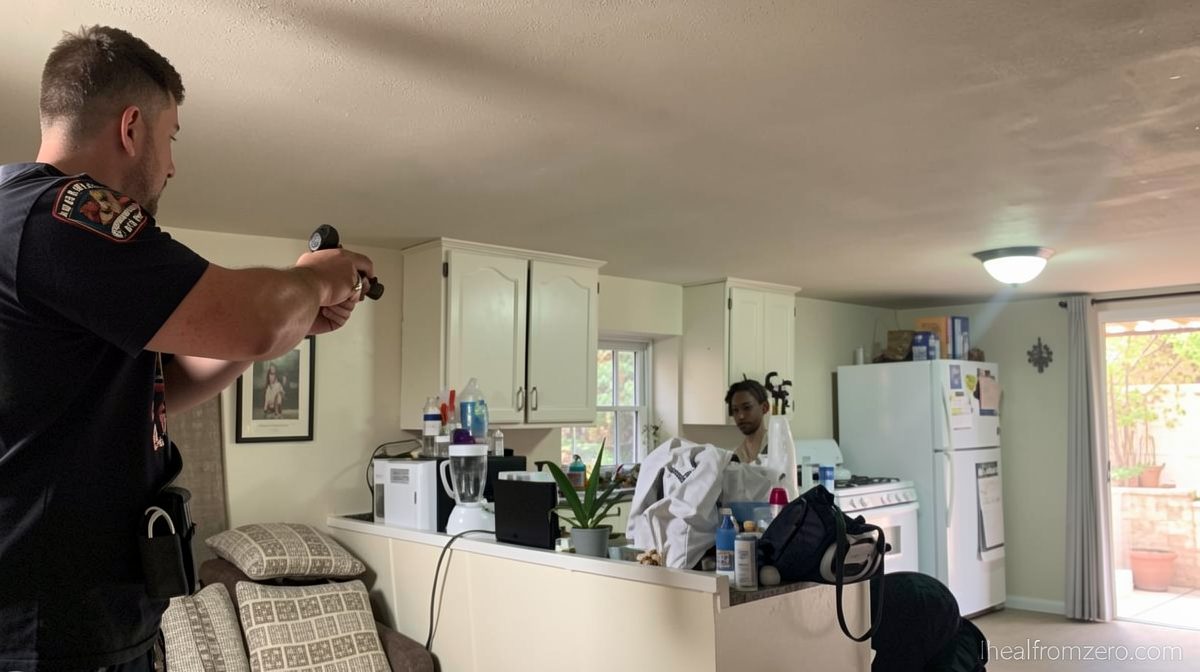
In the early hours of July 6, 2024, Sonya Massey — a 36-year-old Black woman in the Springfield, Illinois area — called 911 to report a suspected prowler near her home. Two Sangamon County deputies responded. The exchange that followed was recorded on body cameras and became the centerpiece of the criminal trial.
According to the footage, Grayson directed Massey to remove a pot of boiling water from the stove. Carrying the vessel, she told the officers:
“I rebuke you in the name of Jesus.”
Grayson then warned he would shoot, drew his sidearm, and ordered her to place the pot on the ground. Massey apologized and dropped behind a kitchen counter. Three rounds followed; she was hit in the face and killed. Fellow deputy Dawson Farley later testified that he never viewed Massey as a threat and that he drew his own weapon only after Grayson had already done so — a point jurors were asked to weigh in assessing whether Grayson’s fear was reasonable.
Conviction, Sentence, and Health Complications
Grayson was fired from the sheriff’s office the day after the shooting and subsequently indicted for first-degree murder. His defense argued he genuinely believed Massey would throw the scalding water at him. In October, however, a jury convicted him on the lesser included charge of second-degree murder. A judge imposed the statutory maximum of 20 years in January.
National protests had already erupted before trial, and scrutiny fell on Grayson’s prior employment across multiple law enforcement agencies. Questions about how swiftly he had been hired and what background checks had been performed became a persistent theme in public discourse.
Complicating his incarceration was a pre-existing colon cancer diagnosis. At sentencing, his lawyers told the court the disease had spread to his liver and lungs. In May — only months into his sentence — Grayson petitioned for medical release under an Illinois statute covering terminal or severe conditions. The Illinois Prisoner Review Board denied the request last month. He remained in custody until Sunday.
Legislative and Federal Reforms That Followed
Illinois lawmakers passed the Sonya Massey Act, requiring state agencies to conduct deeper vetting of applicants’ prior employment histories before extending a hiring offer. The measure responded directly to concerns that Grayson’s earlier stints had not received adequate review.
Federally, the Department of Justice launched a civil rights investigation that culminated in a consent-style agreement with Sangamon County and other local agencies. Required reforms include expanded training for officers responding to behavioral-health calls and the creation of a mobile crisis-response program intended to divert such calls away from armed patrol units. Separately, Massey’s family and the county reached a $10 million settlement over the fatal shooting.
Frequently Asked Questions
Where was Sean Grayson serving when he died? He was incarcerated in an Illinois state prison, serving a 20-year sentence imposed in January following his second-degree murder conviction.
What law changed as a result of the Massey case? The Sonya Massey Act, enacted by the Illinois General Assembly, now mandates more rigorous vetting of prior employment records before state law enforcement agencies extend a hiring offer.
Did Grayson receive a medical release before his death? No. He filed a petition for medical release in May citing metastatic colon cancer, but the Illinois Prisoner Review Board denied the request the following month. He remained in custody until his death on Sunday.
What was the outcome of the federal investigation? The Department of Justice reached an agreement with Sangamon County and partner agencies requiring structural changes, including behavioral-health training and a mobile crisis-response unit to reduce armed-patrol responses to mental-health calls.