Prosecutors say bullet engraving shows Charlie Kirk was targeted for his politics

Daftar Isi
An Engraved Bullet Becomes the Centerpiece of a Death-Penalty Fight in the Charlie Kirk Case
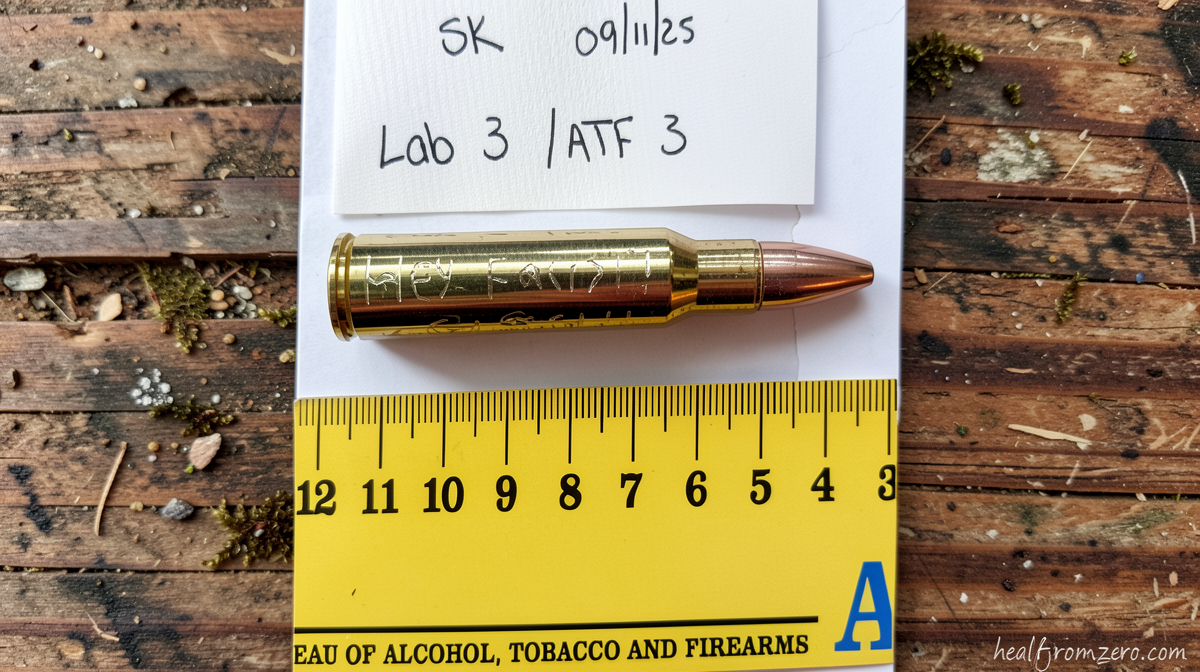
Healfromzero.com – A single line scratched into a cartridge — “Hey Facist! CATCH!” — has become the fulcrum on which the entire prosecution case in the Charlie Kirk murder trial now balances. On Tuesday, state prosecutors laid out their argument that the inscription was not a random act of vandalism but an “overt political reference,” meant to signal that the man who fired the shot selected his victim specifically because of what he believed Kirk stood for. The question of whether Tyler Robinson, the 23-year-old accused killer, acted out of political animus now sits at the heart of a far larger legal battle: whether Robinson can be sentenced to death if convicted.
The Stakes of Aggravating Factors
Both sides have filed competing briefs asking the court to determine whether the crime carries aggravating circumstances that would make Robinson eligible for capital punishment. Two factors dominate those filings. The first is political targeting — the claim that Kirk was chosen not at random but because of his public positions. The second is the question of whether the shooting placed thousands of other attendees at the Sept. 10 event at Utah Valley University in mortal peril. If the court finds either factor present, the case moves into death-penalty territory; if it finds neither, that option disappears from the table entirely.
Robinson, who turned himself in roughly a day after the shooting, faces charges including aggravated murder. He has not yet entered a plea. Judge Tony Graf has indicated he will hear final arguments from both camps on Sept. 1 before deciding whether the case proceeds to a full trial.
What the Prosecution Points To
Beyond the engraved bullet, prosecutors highlight a text message Robinson allegedly sent about Kirk:
“I had enough of his hatred. Some hate can’t be negotiated out.”
They also emphasize the ideological distance between the two men. Kirk was a vocal opponent of same-sex marriage and of gender-affirming medical care. Robinson, by contrast, was reportedly in a romantic relationship with his roommate, Lance Twiggs. Twiggs told investigators that around the time of the killing he had been considering a gender transition, a detail prosecutors wove into their narrative of motive.
A handwritten note that prosecutors say Robinson left for Twiggs contained the following passage:
“I had the opportunity to take out Charlie Kirk, and I took it.”
Together, the engraving, the text, and the note form what the state calls a coherent picture of a man who identified a political figure he despised, waited for a moment of access, and acted.
The Defense Pushback
Robinson’s attorneys dispute that picture. They argue the text message is too thin a reed on which to hang a finding of political motivation, and they have not immediately responded to requests for comment on the prosecution’s latest filing. In court, they have repeatedly challenged the reliability of DNA analyses and other forensic evidence presented by investigators.
On the endangerment question, the defense contends that no sentence enhancement should apply because the shooter, in their words, “hit the intended target.” Prosecutors counter that dozens of people stood within what they term a “zone of danger” around Kirk when the bullet was fired from a rooftop overlooking the crowd. The event drew thousands of attendees, and the state maintains that the act of firing into that space placed every one of them at risk regardless of where the round ultimately landed.
The Roommate’s Testimony
Twiggs, who shared a living space with Robinson, gave a recorded interview that was shown in court last month. In it, he stated that he had never once heard Robinson discuss Kirk before the shooting. He added that Robinson did not talk much about gender issues or LGBTQ+ rights, though he did occasionally bring up politics more broadly, including commentary about Donald Trump. The Associated Press reached out to Twiggs’ attorney for comment on the latest developments.
That testimony cuts both ways. For the defense, it undercuts the notion of a long-simmering political obsession. For the prosecution, it is consistent with a sudden, opportunistic decision — the kind captured in the note Robinson allegedly left behind.
Forensic Links and Their Limits
During a July hearing, investigators presented DNA analyses they said connected Robinson to both the suspected murder weapon and a tool he allegedly used to engrave the bullet cartridges. The defense has pressed questions about the reliability of those tests, arguing that forensic evidence, however compelling it appears, must withstand rigorous scrutiny before it can anchor a capital case. The court has not yet ruled on the weight of that evidence.
What Comes Next
The procedural clock now points to Sept. 1, when both sides will return before Judge Graf for final pretrial arguments. His ruling will determine whether the case advances to a jury trial and, implicitly, whether the death penalty remains a live option on the table. Until then, the engraved bullet, the text message, the handwritten note, and the DNA results will continue to be weighed, argued over, and re-argued in filings that both sides expect will grow longer as trial approaches.
For Kirk’s family, for the thousands who filled the Utah Valley University venue that day, and for a state that has made this case a test of its capital-penalty statutes, the answer to one small question — did the shooter choose his target because of what he believed? — may ultimately decide whether a jury ever hears the word “death” spoken aloud in that courtroom.
Related Reading
Frequently Asked Questions
What is Prosecutors say bullet engraving shows Charlie?
Prosecutors say bullet engraving shows Charlie is the main topic of this guide. The article explains the context, practical details, and next steps readers should understand.
Why does Prosecutors say bullet engraving shows Charlie matter?
Prosecutors say bullet engraving shows Charlie matters because readers are looking for a useful answer, not just a short summary. Good content should match search intent and help them decide what to do next.