LA Mayor Bass declares emergency to secure resources to help fight warehouse fire

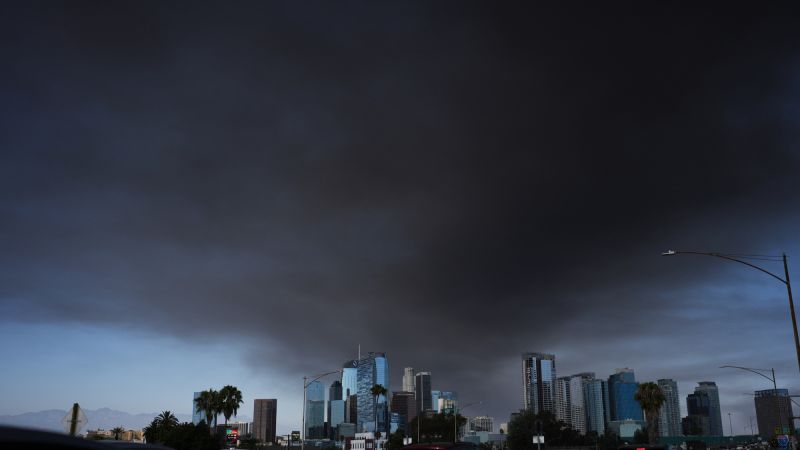
Los Angeles Mayor Karen Bass Declares State of Emergency Amid Massive Warehouse Fire
LA Mayor Bass declares emergency to secure – Los Angeles Mayor Karen Bass activated a state of emergency on Saturday to mobilize additional resources in the fight against a sprawling warehouse fire that has blanketed the Boyle Heights neighborhood in thick smoke. The incident, which began on Wednesday, has raised urgent concerns about air quality and public health, prompting authorities to issue precautionary measures for residents. Bass’s emergency declaration aims to coordinate efforts across city and county agencies, ensuring a swift and comprehensive response to the crisis.
Smoke Plumes and Health Risks
The fire, originating at a privately owned cold-storage facility, has produced towering smoke plumes that have spread across the region, forcing the implementation of shelter-in-place orders. These directives were issued to protect residents from the hazardous air conditions created by the blaze, which has released particulate matter and toxic fumes into the atmosphere. Residents in the affected area were advised to close all windows, doors, and vents, deactivate air conditioning systems, and relocate to enclosed rooms to minimize exposure.
“The city and county have established temporary shelters for families affected by the smoke, and we are committed to expending every resource necessary to eradicate the blaze entirely,” Bass stated in a press release. Her remarks underscore the administration’s focus on both immediate relief and long-term recovery, emphasizing the need for coordinated action to address the fire’s impact.
The fire’s intensity has been compounded by the nature of the materials stored inside the warehouse. Officials revealed that the facility houses 85 million pounds of frozen food, a fact that has complicated firefighting operations. Chief Jaime Moore of the Los Angeles Fire Department highlighted the challenges faced by crews, noting that the building’s interior is nearly impenetrable due to zero visibility. “Our firefighters are unable to simply enter and begin relocating pallets,” Moore explained during a news conference. “The smoke has created an environment where visibility is limited, and the risk of exposure to hazardous substances is high.”
Combating Hazardous Materials and Biohazards
Moore’s team has prioritized managing the hazardous materials within the warehouse, a critical step in preventing further contamination. However, the presence of biohazards—such as frozen produce and other perishable goods—has introduced a new layer of complexity. “We’ve handled the initial phase of the blaze by neutralizing the chemical threats, but now the focus shifts to addressing the biological risks,” Moore said. This dual challenge has necessitated specialized equipment and extended response times, as crews work to extract and safely dispose of the contaminated items.
“We have 85 million pounds of frozen food inside this facility, and the way the building is constructed makes it extremely difficult for us to access the interior,” Moore added. “The structure is designed for cold storage, which means the fire has spread rapidly, creating a maze of smoke and heat that complicates our operations.”
The fire’s progression has also disrupted local infrastructure, including transportation routes and emergency services. While the blaze has been contained in parts of the building, the ongoing efforts to clear the site have delayed the resumption of normal activities. Local businesses near the warehouse reported temporary closures, and community leaders have called for increased support to assist families impacted by the smoke and potential property damage.
Requesting State Assistance
Bass’s emergency declaration includes a formal request for aid under the California Disaster Assistance Act, a state-level initiative designed to allocate funds and resources to municipalities during crises. The act allows for the rapid deployment of personnel, equipment, and supplies to support recovery efforts, which the mayor described as essential for addressing both the immediate and long-term consequences of the fire. “We are seeking expedited access to resources and relief programs to ensure we can mitigate the environmental and health risks associated with this incident,” Bass said.
“This is about prevention. This is about protecting your public health,” Bass reiterated. “We need to move the toxic materials away from the area and dispose of them in a manner that prevents a major environmental disaster.”
The declaration also highlights the need for state coordination with local agencies to streamline the distribution of aid. Bass emphasized that the primary goal is to safeguard the health and safety of residents, particularly those in the Boyle Heights community, which has been disproportionately affected by the fire. “The mayor’s team is working around the clock to ensure that families have access to clean air and necessary resources,” a city spokesperson added, noting that the emergency measures include expanded medical services and temporary housing for displaced individuals.
Environmental and Economic Implications
Experts warn that the fire could have far-reaching environmental consequences if the toxic materials are not properly managed. The frozen food stored in the warehouse, while not inherently flammable, has contributed to the fire’s spread due to its density and the insulated nature of the facility. Additionally, the combustion of materials like plastic and packaging has released volatile organic compounds into the air, which may linger for days. Environmental agencies are monitoring air quality closely, advising residents to limit outdoor activity until the smoke clears.
The economic impact of the fire is also significant. The warehouse, which serves as a vital supply hub for local grocery stores and food distributors, has been partially damaged, disrupting the availability of fresh produce and other goods. Small businesses in the area, many of which rely on the warehouse for inventory, are facing financial strain as they await repairs and the resumption of operations. “This fire has not only affected the immediate community but also the broader supply chain,” said a local business owner, who requested anonymity. “We’re worried about the ripple effects on our customers and employees.”
Residents and local officials are now calling for a comprehensive assessment of the fire’s damage and a long-term plan to prevent similar incidents in the future. “We need to understand how this fire started and what measures can be taken to ensure it doesn’t happen again,” said one community leader. The mayor’s office has pledged to conduct a thorough investigation and share findings with the public. As the city works to recover from the blaze, the focus remains on protecting lives, preserving property, and maintaining environmental integrity.
In the days ahead, the situation is expected to evolve as more resources are deployed and the fire is gradually brought under control. The emergency declaration has already triggered a surge in volunteer efforts and donations, with local organizations offering support to those in need. Meanwhile, the Los Angeles Fire Department continues its efforts to manage the biohazardous materials, a task that requires meticulous planning and execution. The community’s resilience, combined with the city’s proactive measures, will be key to navigating the aftermath of this unprecedented disaster.