Iran claims the Strait of Hormuz is closed again. Few ships were leaving in the first place

Iran Closes Strait of Hormuz Again as Ship Traffic Dips
Iran claims the Strait of Hormuz – Iran has once again declared the Strait of Hormuz closed, escalating concerns over global oil supply routes. This latest announcement comes as maritime traffic through the critical waterway continues to decline, with operators hesitant to navigate the area amid lingering tensions. According to Kpler, a marine intelligence firm, vessel numbers have fallen significantly, with only 25 ships passing through on Thursday. By Friday, the number of tankers had dropped to single digits, reflecting a cautious approach by the industry. Oil analyst Matt Smith explained that while the decrease isn’t drastic, it underscores the ongoing uncertainty in the region. “The slowdown isn’t due to a sudden halt in departures, but rather a steady decline as operators remain wary,” Smith noted. “The true test will be when confidence returns to regular operations.”
Strait of Hormuz Traffic and Pre-War Norms
Historically, the Strait of Hormuz has been a lifeline for global oil trade, with between 100 and 120 tankers transiting daily before the conflict. However, recent data shows a stark reduction, with Thursday’s traffic being the highest since mid-April—when the passage briefly reopened for commercial use. Experts suggest that even at this peak, the volume remains far below the pre-war standard. “The region’s normalcy is yet to fully return,” said Smith. “Operators are still evaluating risks before committing to consistent schedules.”
Ships Trapped in the Persian Gulf
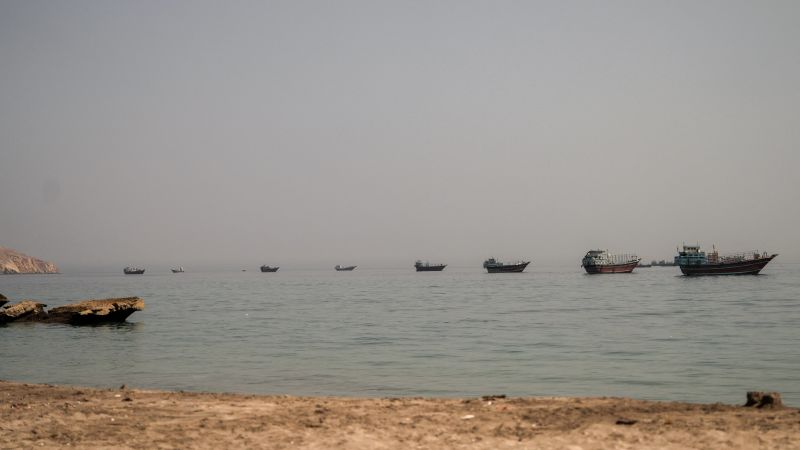
Nearly 500 vessels, including 220 oil tankers, have been immobilized in the Persian Gulf due to security threats. This includes ships that halted operations out of fear or due to disruptions. Despite a ceasefire agreement between Iran and the United States, experts believe full recovery will take months. Jakob Larsen, chief safety and security officer at BIMCO, noted that the central area of the Strait of Hormuz remains mined, complicating navigation. “Safety concerns persist, even with the agreement in place,” Larsen stated. “Only the inshore zones near Iran and Oman are deemed secure, but congestion and other risks continue to affect movement.”
Seafarers Facing Prolonged Uncertainty
The crisis has also impacted the human element of maritime operations, with approximately 20,000 crew members stranded on ships in the Persian Gulf. Many are eager to return home, yet apprehension about their safety lingers. Ben Bailey, director of Mission to Seafarers, described the situation as one of “cautious optimism.” “Crews want to leave, but they’re still uncertain about the security of their journey,” Bailey explained. This psychological hesitation is compounded by the prolonged period of inactivity, with some vessels anchored for over three months. “The fear of being stuck for another extended period keeps them on edge,” said Bailey.
Maritime Insurance and Operational Challenges
Financial barriers have also contributed to the slow resumption of trade. Maritime insurers initially withdrew coverage for war risk, leaving shipowners reluctant to proceed without guarantees. Tom Kloza, an oil analyst, highlighted that the closure wasn’t solely due to Iran’s actions but also to the insurance sector’s caution. “Lloyds of London and other firms played a key role in suspending operations,” Kloza remarked. Additional hurdles include assessing a vessel’s seaworthiness after prolonged anchoring and ensuring sufficient fuel supplies. “Scraping off barnacles and managing fuel reserves are just a few of the logistical challenges,” he added.
Restoring Confidence and Rebuilding Trade
Even with the potential for vessels to return, full recovery of oil production and refining capacity will take time. Much of the infrastructure in the region was damaged early in the conflict, forcing operators to pause activities. Restarting these processes requires new tankers to enter the Gulf, which has been a slow process. Kloza warned that operators are cautious about long-term investments, fearing the peace deal might not last. “Without assurances, they’ll hesitate to commit to sustained operations,” he said. This cautious stance is likely to affect global energy markets for weeks to come.
Global Impact and Future Outlook
The closure of the Strait of Hormuz has far-reaching implications for the world’s energy supply. As a key chokepoint for Middle Eastern oil exports, its disruption threatens to raise prices and disrupt supply chains. Analysts are closely monitoring the situation, with the potential for further reductions in traffic. “The Strait of Hormuz remains a focal point for global energy security,” said Kloza. “Any prolonged closure could lead to a more significant impact on international markets.” While the immediate future is uncertain, experts remain hopeful that stability will return as security agreements solidify and insurance coverage resumes.