
JetBlue pilot reports hitting drone at JFK International Airport same day helicopter reports near collision with model plane
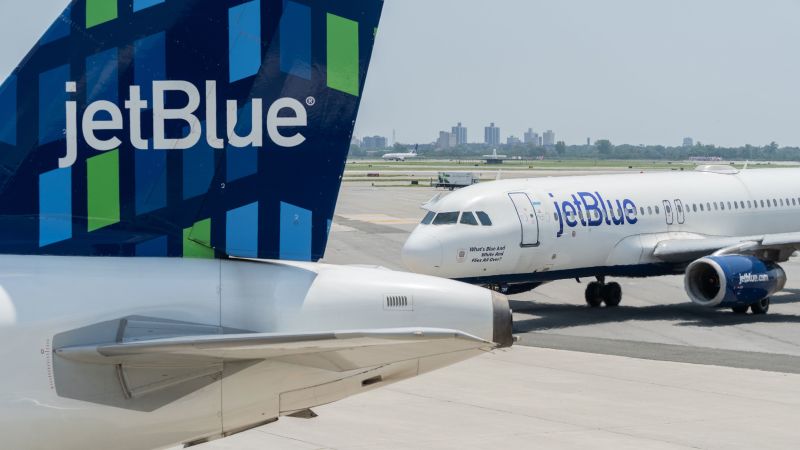
JetBlue Pilot Reports Drone Collision at JFK, Helicopter Claims Near Miss with Model Plane
JetBlue pilot reports hitting drone at JFK – On Monday, June 29, 2026, a JetBlue Airways passenger jet reported a collision with a drone while approaching John F. Kennedy International Airport, the same day a helicopter pilot described a close call with a model airplane nearby, according to the Federal Aviation Administration. These incidents highlight the growing challenges of drone activity near commercial aviation operations, as authorities work to investigate and mitigate risks.
JetBlue Flight 948’s Drone Encounter
The FAA shared details about the JetBlue incident, which occurred during the final approach to the runway at approximately 7:15 a.m. local time. The Airbus A321, en route from Las Vegas, was flying at around 3,000 feet when the pilot reported the collision. The pilot’s communication with air traffic control was captured by ATC.com, offering a firsthand account of the event.
“We are clear to land, 13 left,” the JetBlue pilot stated in the recorded exchange. “Just quickly, I couldn’t talk to approach, but we collided with a drone back there in the turn.”
When the controller asked for confirmation, the pilot responded, “Yep, it hit us right, right above the cockpit.” The aircraft landed safely about six minutes later, at 7:21 a.m., with no reported injuries or major damage. According to data from Flightradar24, the incident took place roughly 10 to 12 miles north of Sea Bright, a coastal community near JFK.
JetBlue confirmed the incident in a statement, emphasizing that the flight proceeded without further issues. “Customers deplaned normally, and the plane was removed for a post-flight inspection, which found no damage or evidence of a collision,” the airline said. The company reiterated its commitment to safety, stating it would support any investigations into the event.
Helicopter Pilot Describes Model Plane Near Miss
Later that day, a separate incident involving a Bell 407 helicopter was reported. The pilot, flying from JFK to Manhattan, described nearly colliding with a model airplane over Floyd Bennett Field. The FAA confirmed that this event was unrelated to the JetBlue collision.
“Almost ran into a giant RC airplane over at Floyd Bennett,” the helicopter pilot told the tower at JFK. “It was just like an RC, one of the remote-controlled airplanes. A big one at 500 feet.”
Floyd Bennett Field, a former naval air station now managed by the National Park Service, serves as a popular site for model aircraft enthusiasts. The helicopter’s flight tracking data indicated it was at about 300 feet when the near-miss occurred, prompting the FAA to notify local authorities of the report.
Drone Threats to Aviation: Past and Present
The FAA has acknowledged that drones pose a significant risk to both commercial and private aircraft. This incident could mark one of the first confirmed collisions between a drone and a U.S. commercial passenger jet, according to the agency. However, similar events have previously been attributed to other causes, such as bird strikes or mechanical issues.
In January 2025, a civilian drone struck a CL-415 “Super Scooper” aircraft fighting wildfires in Los Angeles, creating a hole in the wing. The aircraft was forced out of service, and the drone operator faced federal prosecution. Such cases underscore the need for stricter oversight, even as incidents continue to occur.
While drones are generally restricted from flying near airports, the FAA receives about 100 sightings per month. These reports often come from pilots who notice the unmanned aircraft during critical phases of flight. For instance, a United Airlines pilot recently described a near-miss with a drone while landing at Newark Liberty International Airport, further illustrating the frequency of such encounters.
Regulatory Measures and Enforcement
Unauthorized drone operators can face severe consequences, including fines and criminal charges. The FAA has emphasized that these penalties are part of its broader effort to ensure airspace safety. During the recent World Cup tournaments, drones were also restricted from flying near emergency operations, jails, wildfires, and large gatherings.
As part of these efforts, law enforcement agencies have taken action. The Federal Bureau of Investigation announced on Monday that 500 drones were seized in restricted airspace across the 11 host cities of the World Cup. This step reflects the increasing focus on preventing drone-related incidents during high-profile events.
Despite these measures, the FAA’s statement highlighted that the JFK incidents are not connected. However, the agency is now scrutinizing both events to determine if they reveal a pattern. With more drones in use and fewer regulations in some areas, the potential for collisions continues to grow, prompting calls for enhanced safety protocols and public awareness campaigns.
Implications for Future Aviation Safety
The combination of these incidents raises questions about how effectively current drone regulations are preventing conflicts with commercial aircraft. Experts suggest that the integration of drones into shared airspace requires better coordination between operators and aviation authorities.
While the FAA maintains that these events are isolated, the possibility of more collisions remains a concern. The agency has already noted the need for stricter guidelines, particularly around airports and emergency zones. As drone technology advances, ensuring safe distances from manned aircraft will be critical to avoiding future accidents.
Both the JetBlue and helicopter incidents serve as reminders of the importance of vigilance in airspace management. With the FAA actively investigating and authorities across the country seizing drones in restricted areas, the goal is to create a safer environment for all aircraft. The events of June 29, 2026, may ultimately shape new policies or reinforce existing ones, depending on the findings of the ongoing inquiries.
As drones become more prevalent in everyday life, their presence near critical aviation zones like JFK and Floyd Bennett Field underscores the need for continued monitoring and education. Pilots, hobbyists, and operators must remain aware of their surroundings, as even a single drone can disrupt the safety of thousands of passengers. The FAA’s response to these incidents will likely influence how drones are managed in the years to come.