How bushmeat, burial rites and disinformation make the DRC an Ebola hotspot

How bushmeat, burial rites and disinformation make the DRC an Ebola hotspot
The Lethal Threat in the DRC
How bushmeat burial rites and disinformation – The Democratic Republic of Congo (DRC) is facing a resurgence of Ebola, a virus that has long haunted the region. This outbreak, currently impacting remote communities, has claimed over 100 lives and escalated into a global health alert. The DRC, where the virus was first identified in 1976, continues to bear the brunt of its recurring nature. With 17 recorded outbreaks—more than any other nation—its history is marked by cycles of devastation. The 2018–2020 outbreak alone resulted in 2,299 fatalities, underscoring the virus’s relentless grip on the population.
The Virus’s Origin and Spread
According to the World Health Organization (WHO), Ebola originates in wildlife, often from species like fruit bats, porcupines, and non-human primates such as monkeys. Transmission to humans occurs through direct contact with the blood or bodily fluids of infected animals. Once within a community, the virus spreads rapidly via close proximity to contaminated surfaces or direct exposure to bodily fluids. The current strain, Bundibugyo, stands apart from the more prevalent Zaire variant. Unlike Zaire, which has vaccines and treatments available, Bundibugyo remains an unaddressed challenge for public health officials.
Wildlife as a Culprit
Scientists trace the initial human infections to hunting, handling, or consuming infected wild animals. In the DRC, this practice—known as bushmeat consumption—remains deeply embedded in local culture. Popular choices include bats, monkeys, grasscutters, and antelopes, which are central to the diet in rural areas. Eteni Longondo, a former minister of public health, highlighted the difficulty of curbing this tradition. “Hunting in the dense forests is a survival mechanism,” he explained to CNN. “You can’t simply tell people to abandon their ways overnight. They still rely on these animals for sustenance.”
Geographical Factors in Outbreaks
The DRC’s vast, untamed forests—covering over 60% of its landmass—create an ideal environment for Ebola to thrive. These dense ecosystems, part of the Congo Basin, the world’s second-largest rainforest, act as a natural reservoir for the virus. In eastern regions, where bushmeat contributes up to 80% of protein intake, hunting is not just a livelihood but a necessity. This close interaction with wildlife increases the risk of zoonotic transmission, making the DRC a persistent breeding ground for outbreaks.
Rebel Influence and Health Challenges
The country’s eastern provinces, plagued by conflict, have become focal points for the latest outbreak. An active armed rebellion has enabled a rebel coalition to seize control of large territories, displacing millions and exacerbating a severe food crisis. In South Kivu province, the rebels confirmed an Ebola case in Bukavu, a city under their governance. The patient, a 28-year-old, succumbed to the illness and was buried in accordance with local customs. Separately, a second case was reported in Goma, the largest city in the eastern DRC. These developments have complicated containment efforts, as rebel-held areas often lack reliable healthcare infrastructure.
The Human Toll and Global Implications
WHO reported that the majority of cases in this outbreak are concentrated in the provincial capital of Bunia and nearby mining towns like Mongwalu and Rwampara. The first suspected case involved a healthcare worker who fell ill on April 24 and later died at a facility in Bunia. By May 5, the organization identified a cluster of cases with high mortality rates in the region. A rapid response team confirmed the outbreak as Bundibugyo on May 15. The virus has also spread to neighboring Uganda, where two confirmed cases were found in Kampala. Both patients had traveled from the DRC, and their illnesses were linked to no direct contact, suggesting cross-border transmission is possible.
Superstition and Misinformation
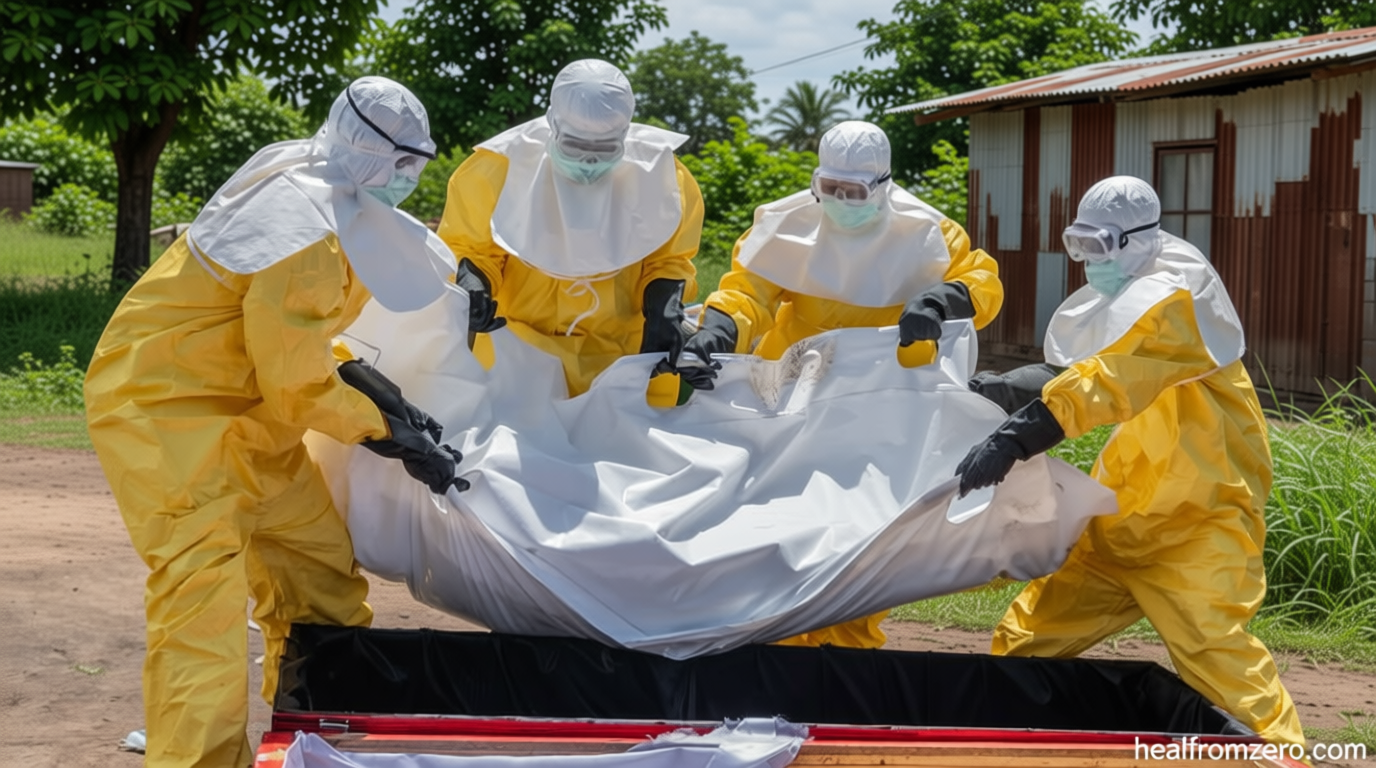
While the virus itself is a formidable threat, its spread is further fueled by misconceptions and traditional beliefs. Valet Chebujongo, a community mobilizer in Bunia, described the growing fear as rooted not in scientific understanding, but in cultural narratives. “People are panicking,” he said. “But the terror comes from myths and misinformation.” In some areas, locals claim a “phantom coffin” circulates, causing instant death upon mere sight. Such beliefs hinder public cooperation with containment measures, as communities may resist quarantines or sanitation protocols. Additionally, traditional burial practices—where families handle the bodies of the deceased—exacerbate transmission risks, as the virus remains contagious even after death.
A Nation in Crisis
The DRC’s struggles extend beyond the virus. Despite its mineral wealth, over 80% of its 100 million citizens live in extreme poverty. This economic hardship amplifies the dependency on bushmeat, as alternatives are scarce. In conflict zones, the situation worsens, with displaced populations facing both food shortages and limited access to medical care. The rebels’ control over key areas has not only disrupted governance but also created a vacuum in health response, allowing the virus to spread unchecked. “In the east, the combination of war, poverty, and weak institutions makes outbreaks more likely,” noted a WHO official, highlighting the interconnected challenges.
Containment Efforts and the Road Ahead
Health officials are racing against time to curb the spread of the Bundibugyo strain. Public health campaigns focus on educating communities about safe burial practices and the importance of isolating the sick. However, these efforts face resistance from deeply ingrained traditions. “We need to bridge the gap between science and culture,” said Longondo. “It’s not enough to issue warnings; we must engage with people’s beliefs and provide viable alternatives.” With the virus reaching neighboring countries, international collaboration is critical. The WHO has mobilized resources to support local teams, but the DRC’s logistical challenges—ranging from poor transportation to political instability—complicate a swift response.
As the outbreak intensifies, the DRC’s role as an Ebola hotspot remains a stark reminder of the virus’s adaptability. Its presence in both rural and urban areas, combined with the persistence of bushmeat consumption and the spread of misinformation, ensures that the DRC will continue to face significant health challenges. The road to containment is fraught with obstacles, but with sustained efforts, the region may yet turn the tide against the deadly disease.