
US funding cuts have hampered response to the deadly Ebola crisis, aid workers say
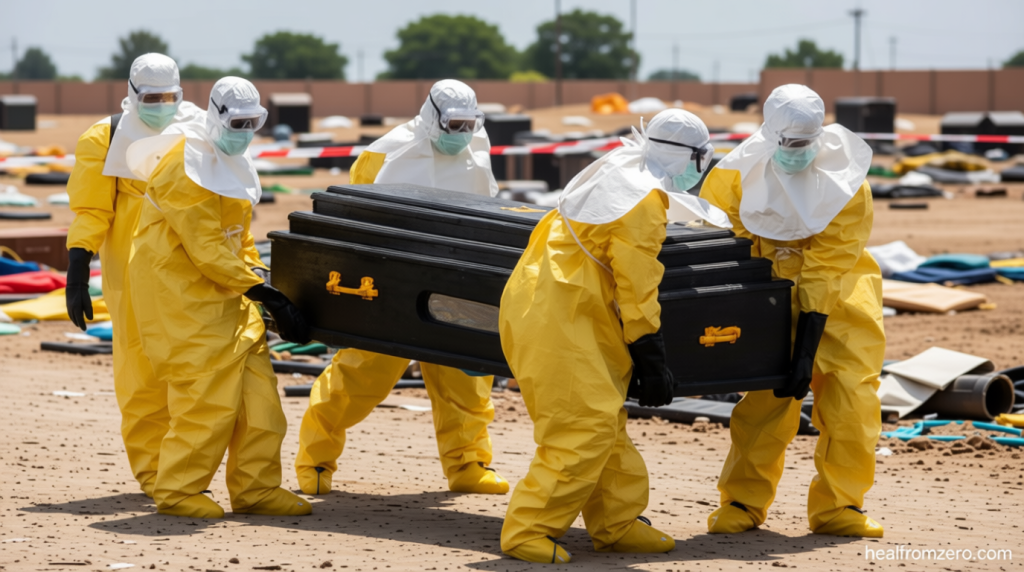
US Funding Cuts Hamper Ebola Response in DRC, Aid Workers Say
US funding cuts have hampered response – According to humanitarian experts, the reduction in U.S. financial support has significantly slowed the fight against the recent Ebola outbreak in the Democratic Republic of the Congo (DRC). The epidemic, which has claimed over 170 lives, is now being scrutinized for its progression, with aid workers pointing to limited resources and underfunded programs as critical barriers. The strain of the virus, Bundibugyo, has proven particularly challenging to detect, requiring specialized testing that became harder to access due to the strain on international health networks. These setbacks have sparked debates about the long-term effects of funding reductions on global health preparedness.
The outbreak’s spread has been influenced by multiple factors, including weakened healthcare infrastructure and delayed diagnostic capabilities. With fewer U.S.-backed personnel and dwindling supplies, local teams struggled to respond swiftly to the crisis. Officials from the World Health Organization (WHO) and regional health authorities have emphasized that the lack of consistent funding has hindered early detection, compounding the challenges of containment. The virus’s behavior, combined with logistical hurdles, has created a scenario where the initial response was slower than it might have been under more stable conditions.
Underfunded Systems and Regional Challenges
Aid groups warn that the impact of U.S. funding cuts extends beyond immediate response efforts. In the DRC, where healthcare systems are already fragile, the loss of American support has left communities vulnerable to further outbreaks. This has been compounded by ethnic tensions and conflicts that have disrupted cooperation between local organizations and international agencies. As a result, the time between the first reported cases and the official declaration of an epidemic has increased, allowing the virus to spread before adequate measures could be implemented.
“The delayed identification of the outbreak was not just a matter of luck—it was a result of years of underinvestment and recent budget cuts,” stated Heather Reoch Kerr, the International Rescue Committee’s (IRC) country director in the DRC. The IRC highlighted that the absence of reliable surveillance systems has made it difficult for affected regions to track the virus effectively. With fewer resources, the process of confirming cases became inefficient, requiring samples to be sent over 1,000 miles to Kinshasa for analysis. This delay, they argue, has slowed the overall response to the crisis.
The U.S. government’s financial reductions have also affected key health initiatives in Uganda, where the outbreak has been linked to cross-border transmission. While Uganda has maintained some response capacity, the lack of sustained American funding has limited its ability to coordinate with the DRC. Analysts note that these cuts have not only impacted the current outbreak but also weakened the long-term infrastructure needed to prevent future epidemics. The combination of reduced personnel and delayed resource allocation has created a gap in the system that is now evident in the crisis’s scale.
Government Justifications and Ongoing Concerns
Despite criticisms, U.S. officials have defended the decision to cut funding, stating that the response was still effective once the outbreak was recognized. A senior State Department representative claimed that existing programs were maintained after the dissolution of USAID, ensuring continuity in health efforts. They pointed to the CDC’s role in managing the crisis and the fact that the WHO’s involvement was instrumental in declaring the epidemic. However, experts argue that the timing of these actions may have been critical, with early support potentially reducing the outbreak’s impact.
Dr. Satish Pillai, the CDC’s incident manager for the Ebola response, acknowledged the challenges posed by the funding reductions but emphasized the agency’s commitment to addressing the situation. “Once the WHO confirmed the outbreak, we deployed our teams immediately,” he said. Yet, the delay in detection has raised questions about how prepared the global health network is for future threats. Aid workers stress that the loss of dedicated American resources has left countries like the DRC and Uganda with fewer tools to manage epidemics effectively, underscoring the need for sustained international support.