Feds halt controversial work on border security inside Big Bend National Park

Daftar Isi
Border Construction Frozen in Big Bend After Commissioner Orders Personal Site Inspection
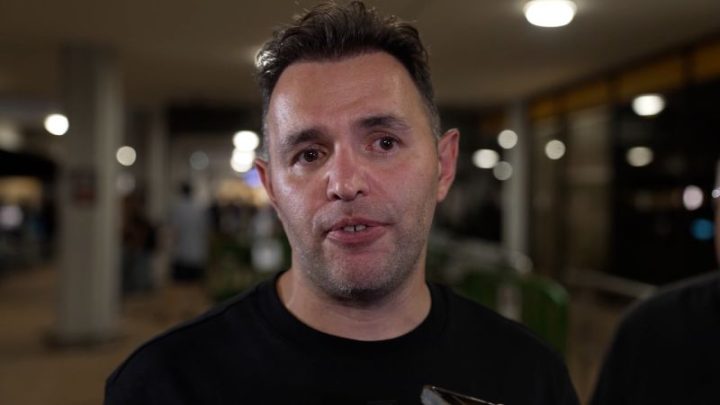
Healfromzero.com – Every bulldozer, excavator, and grading crew operating inside Big Bend National Park has been ordered to stand down. US Customs and Border Protection Commissioner Rodney Scott made the announcement Monday, explaining via a video posted to X that he had just touched down in Texas and was en route to the park to meet with local law enforcement, tribal representatives, and other stakeholders before deciding what happens next.
“Last night I put a pause on all activity in that park as far as construction goes till I can get down there and do a personal evaluation,” Scott said in the video.
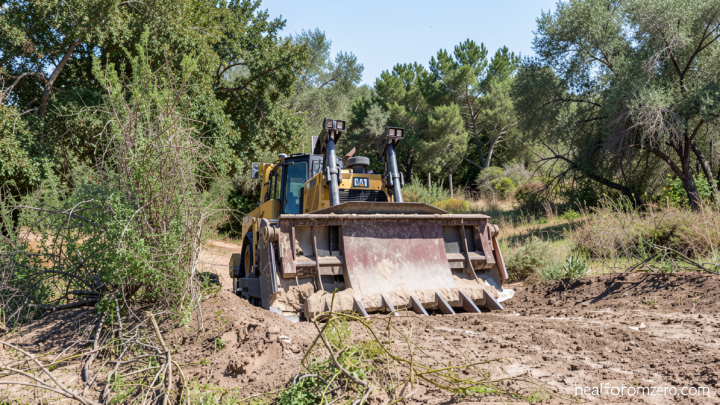
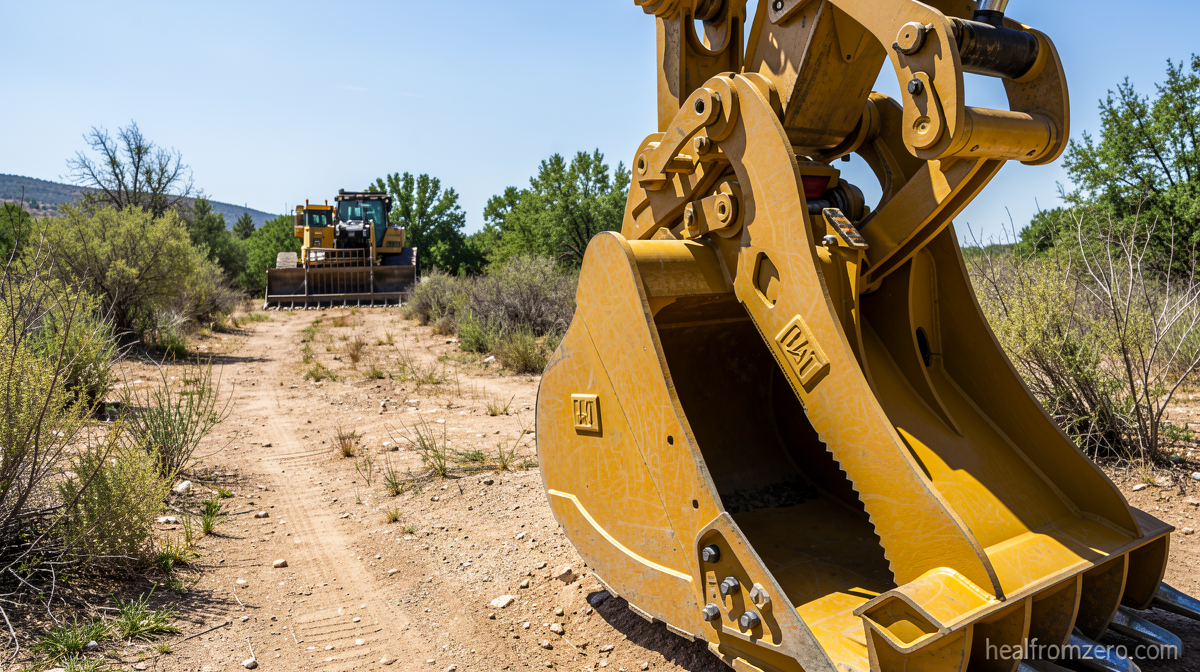
The suspension follows a week of intense public scrutiny after heavy machinery was spotted tearing into parkland to carve out patrol roads and vehicle barriers. The sight of steel tracks gouging through desert scrub and riparian zones triggered immediate backlash from residents, outdoor-recreation operators, and elected officials across the region. Local businesses in towns bordering the park began refusing service to federal contractors tied to the project, while a bipartisan coalition of county sheriffs issued public statements opposing the agency’s plans.
What Was Being Built, and Why
The Big Bend Sector, as CBP designates it, stretches across roughly one-quarter of the total US-Mexico border. Despite its vast footprint, the area accounts for only about 1 percent of all border apprehensions, a figure attributed in part to the sheer ruggedness of the terrain. Nevertheless, the agency has moved forward with an ambitious infrastructure package that extends well beyond the national park’s boundaries.
West of the park, CBP intends to erect 175 miles of a 30-foot steel bollard wall running parallel to the Rio Grande. Inside the national park and adjacent state park, no traditional wall is planned. Instead, the agency has begun clearing land for approximately 200 miles of patrol roads and 17 miles of vehicle barriers at designated points. East of the park, another 165 miles of vehicle barriers are on the drawing board.
The total projected cost of the Big Bend project is expected to surpass $7 billion. Funding will come from the $46.5 billion earmarked for border-wall construction under President Trump’s signature legislative package, colloquially dubbed the “Big Beautiful Bill.” To accelerate timelines, the Department of Homeland Security has issued waivers for a wide array of statutes protecting environmental, historical, and cultural resources, including the Endangered Species Act and the Clean Water Act.
Local Voices Push Back
For operators who have built livelihoods around the park’s remoteness and quiet, the past week’s construction has felt like an existential threat. Jeff Leach, who runs Basecamp Terlingua in the small community of Terlingua near the park’s western entrance, told reporters he welcomed Scott’s decision to pause work and travel to the site, though he remained wary of the ultimate outcome.
“It reveals that standing up for our public lands does work,” Leach said. “If he doesn’t alter the trajectory after visiting, then it will only reveal how corrupt and inept the entire process has been. If he does nothing, this place is going to go nuts and the national pressure will only increase.”
Billy Bartko, whose Far Flung Outdoor Center has guided river trips through the park for five decades, shared that skepticism. He called it disturbing that the commissioner’s first face-to-face conversation with affected operators is happening only after the ground has already been disturbed.
“They’ve already altered the park and they did it without any planning. It reeks of irresponsibility,” Bartko said. “It should have been done before they unleashed bulldozers in Big Bend National Park.”
Courtroom Battles Multiply
At least four lawsuits have been filed this year attempting to block or reshape the government’s border-infrastructure plans in the Big Bend region. Bartko is among the plaintiffs in a new action seeking a temporary restraining order against the administration’s border plan for the national park and other segments of the overall project. In a declaration attached to the motion, he argued that construction activity could degrade the remote, quiet scenery his customers travel hundreds of miles to experience.
The same suit includes the People of La Junta for Preservation, an organization dedicated to safeguarding Indigenous heritage sites, and Christina Hernandez, a member of the Lipan Apache Tribe. Hernandez says she practices a Native religion intimately tied to the geography of the area and has plans to take part in a religious reburial ceremony at a traditional burial site that falls within the proposed border-wall corridor. She contends the project would sever her access to places where she exercises her faith.
While the complaint acknowledges the sweeping waivers DHS has already granted, it notes that the agency has not waived the Religious Freedom Restoration Act, nor a provision in the law that protects religious exercise from undue governmental burden. That distinction, the plaintiffs argue, leaves a narrow but critical legal pathway open for challenging portions of the project that intersect with sacred sites.
What Comes Next
Scott’s visit to the park will determine whether the pause becomes a permanent redesign, a scaled-back modification, or simply a brief intermission before work resumes. For the sheriffs, business owners, tribal members, and conservation groups who have spent months lobbying, protesting, and litigating, the answer will shape whether Big Bend’s landscape—and the communities that depend on it—survives the next phase of the administration’s border-buildout agenda intact.
Related Reading
Frequently Asked Questions
What is Feds halt controversial work on border?
Feds halt controversial work on border is the main topic of this guide. The article explains the context, practical details, and next steps readers should understand.
Why does Feds halt controversial work on border matter?
Feds halt controversial work on border matters because readers are looking for a useful answer, not just a short summary. Good content should match search intent and help them decide what to do next.