Instant noodles have a bad reputation — but the world still can’t get enough of them

Instant Noodles Have a Bad Reputation — But the World Still Can’t Get Enough of Them
Instant noodles have a bad reputation – When a health-focused partner leaves for a business trip, the first thought that crosses my mind is the inevitability of a specific meal. I envision myself rummaging through the pantry, hunting for essentials like American cheese, thick slices of Spam, and a handful of frozen dumplings—each destined for a bowl of instant noodles. These vibrant packages of salty indulgence have fueled characters in K-pop dramas, satisfied late-night chefs on shift, and even played a role in a former colleague’s milestone. She accepted an engagement proposal after a meal of instant noodles, though her cholesterol levels have never been the same since.
Despite their reputation as a less-than-healthy option, instant noodles remain a global favorite. Their paradoxical status as both a guilty pleasure and a dependable staple underscores their universal appeal. What began as a wartime solution for Japan’s food scarcity has transformed into a worldwide phenomenon, offering quick, affordable, and comforting meals to millions. Yet, the health concerns surrounding them are well-documented. Recent studies continue to highlight their links to conditions like dementia, heart disease, and hormonal imbalances, yet these findings seem to resonate with little surprise.
Industry insiders acknowledge the addictive nature of instant noodles, a trait that fuels their enduring popularity. “The global market for instant noodles is set to expand significantly, reaching $98.46 billion by 2032,” notes an analyst. Even as clean eating trends rise and plant-based diets gain traction, demand for these convenient meals shows no signs of waning. This resilience is attributed to a combination of factors, including their affordability and the way they satisfy fundamental human cravings.
The Genesis of a Global Staple
Instant noodles trace their origins to the post-war era in Japan, where food shortages and the need for quick sustenance led to innovation. Momofuku Ando, often hailed as the father of instant noodles, envisioned a product that could meet five core criteria: delicious taste, convenience, preservability, affordability, and safety. These values, established in the 1950s, laid the foundation for what would become a culinary revolution. Ando’s breakthrough came in 1958, when he observed his wife deep-frying tempura and realized that flash-cooking noodles could preserve their texture while allowing for rapid rehydration.
“The reason instant noodles have been widely embraced as a ‘comfort food’ lies in their ability to offer universal values that people seek in food—namely, delicious taste, convenience, preservability, affordability, and safety,” says a representative of Nissin Foods Group, one of the industry’s leading producers.
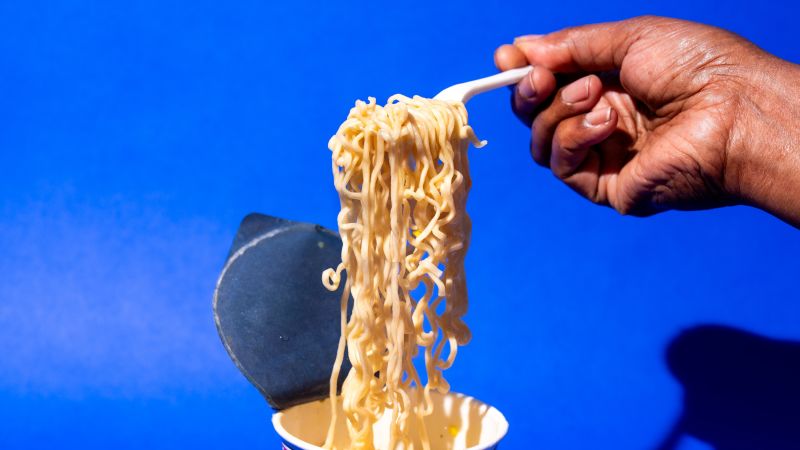
His creation, initially named “Chikin Ramen,” revolutionized the way people consumed meals. The product’s success was further propelled in 1971 with the introduction of the first cup noodles, which came in a disposable container and included a fork for those unaccustomed to chopsticks. This innovation quickly spread beyond Japan’s borders, with Nissin Foods establishing its first overseas factory in Pennsylvania within two years.
Today, the global market for instant noodles has reached unprecedented levels, with over 123 billion servings consumed annually. China leads as the largest consumer, devouring an estimated 43,802 million packs each year. Indonesia and India follow closely, with 14,680 million and 8,320 million servings respectively. However, when it comes to per capita consumption, Vietnam takes the crown. Each year, every Vietnamese citizen consumes an average of 81 servings, surpassing South Korea’s 79 and Thailand’s 58.
From Necessity to Luxury
While affordability and convenience drive much of their popularity, cultural and economic factors also shape their role in global cuisine. “In Vietnam, noodles have long been rooted in the country’s culinary culture, and as the economy continues to grow, demand for quick and convenient meal options is also increasing,” explains a spokesperson from the World Instant Noodles Association (WINA). This statement highlights a shift in the market, where instant noodles are no longer solely a product of necessity but have evolved into a symbol of accessibility and comfort.
Ultra-processed foods like instant noodles are often criticized for their high energy density and hyperpalatable combinations of salt, sugar, and fat. Researchers argue that these elements create a cycle of dependency, making it difficult for consumers to resist. Yet, manufacturers emphasize the broader appeal of their products. “What makes instant noodles so enduring is their ability to deliver satisfaction without compromising on practicality,” adds the Nissin representative. The balance between indulgence and utility is what keeps them relevant in a world increasingly focused on wellness.
Despite the skepticism of some experts, the instant noodle industry continues to thrive. A food scientist once sent a rejection letter, expressing concern that their research might inadvertently support the product’s widespread appeal. This reaction reflects the broader debate surrounding instant noodles: while they are undeniably unhealthy, their convenience and taste ensure they remain a staple for countless individuals. From bustling cities to remote villages, these noodles offer a solution that transcends borders and lifestyles.
As the industry grows, so does the variety of options available. Manufacturers are now introducing healthier versions, using reduced sodium content and alternative ingredients to cater to evolving consumer preferences. Yet, the core appeal of instant noodles—their ability to deliver a full meal in minutes—remains unchanged. Whether enjoyed as a quick snack or a full-course meal, these noodles continue to occupy a special place in the global food landscape. Their journey from wartime innovation to modern-day comfort food is a testament to their adaptability and enduring popularity.
Even as debates over their nutritional value persist, one fact remains clear: the demand for instant noodles shows no sign of slowing. With projections indicating the market will surpass $98.46 billion by 2032, it’s evident that these noodles have found a way to stay in the hearts and stomachs of people worldwide. Whether foraging in the kitchen or seeking a meal on the go, their presence in our lives is a reminder of the power of simplicity and taste in a complex world.