
FCC repeals national TV ownership cap, a win for Trump-aligned broadcasters
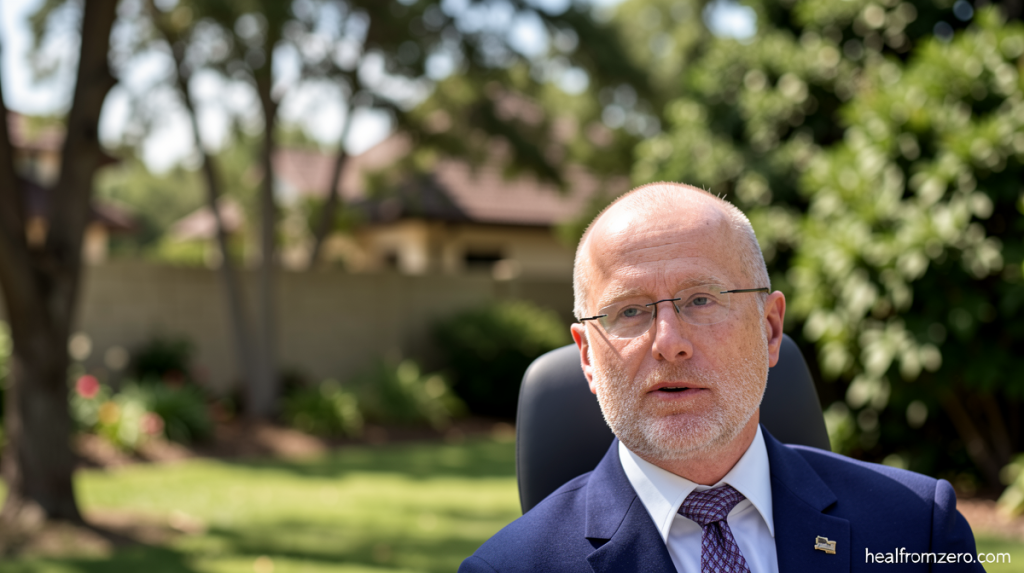
FCC Eliminates National Television Ownership Limit in Party-Line Decision
Healfromzero.com – The Federal Communications Commission moved decisively on Thursday to dismantle a decades-old restriction limiting how many television stations a single company can control nationwide. This regulatory shift represents a significant victory for media organizations that maintain close ties to President Donald Trump and Republican leadership. Industry analysts expect the change to accelerate consolidation among major broadcast networks, potentially reshaping how Americans consume local and national news content.
Opponents of the decision have already signaled their intention to mount legal challenges against the commission’s action. Their primary argument centers on jurisdictional authority, contending that only Congress possesses the constitutional power to alter such fundamental broadcasting regulations. As litigation unfolds, the immediate effect will likely favor large station conglomerates like Sinclair, which can now pursue acquisitions without worrying about exceeding national thresholds.
The Vote and Key Players
The commission’s decision came through a strict party-line vote of two to one. Chairman Brendan Carr joined fellow Republican commissioner Olivia Trusty in supporting the repeal, while Anna Gomez, the commission’s only Democratic member, cast the sole opposing ballot. Carr announced that the old numerical limit would give way to a flexible case-by-case evaluation system, granting him considerably more discretion over individual station transactions across the country.
“My intent is to support the local TV ecosystem and stop hamstringing this one segment of the broader market with outdated restrictions,” Carr explained during the proceedings.
Critics quickly dismissed Carr’s reasoning as superficial. Matt Wood, who serves as general counsel for Free Press, a prominent public interest organization, characterized the move as a strategic effort to benefit Trump’s media allies. “His goal is to spur more media consolidation involving companies Donald Trump views as ideological allies and corporate cronies,” Wood stated, noting that Free Press would file a lawsuit challenging the decision.
Historical Context of the Cap
America’s broadcasting regulatory framework has evolved considerably since the medium’s inception. The government has consistently attempted to balance commercial interests with public service obligations through ownership limitations. During the 1980s, the FCC maintained a restrictive ceiling of twelve stations per owner, covering no more than twenty-five percent of television households nationwide.
The landscape shifted dramatically in the 1990s following aggressive lobbying campaigns by ambitious station operators. Congress intervened, eliminating the twelve-station restriction and elevating the national cap to thirty-five percent. The executive and legislative branches have debated these boundaries repeatedly over subsequent decades, reflecting ongoing tensions between market freedom and public interest protections.
Senator Ted Cruz expressed skepticism about the commission’s unilateral approach when Carr announced the upcoming vote. “I am skeptical a change can be made absent an act of Congress,” Cruz remarked, echoing concerns raised by numerous legal scholars and industry observers.
What Critics Are Saying
Democratic lawmakers have been particularly vocal in their opposition. Senator Elizabeth Warren issued a sharp critique following the commission’s decision, framing it as part of a broader pattern of regulatory favoritism. “Trump’s FCC Chair is trying to illegally rewrite the rules to make it easier for billionaires to line their own pockets while jacking up costs and controlling what Americans watch,” Warren declared. She added that the move resembles “the Trump administration’s latest attempt to roll out the red carpet for more antitrust disasters.”
Gomez defended the existing framework as essential for maintaining broadcast diversity. “The long-established cap serves as a structural safeguard to preserve localism, viewpoint diversity, and competition,” she argued. She emphasized that eliminating the ceiling does not necessarily relieve local broadcasters from financial strain; rather, it simply shifts which entities exert that pressure.
“The large station groups positioned to grow even larger under this decision are not local broadcasters, they are national companies that own local stations and increasingly dictate what airs on them,” Gomez continued. “Trading a squeeze from Big Tech for a squeeze from Big Media does nothing to protect the communities this cap was designed to serve.”
Industry Response and Future Implications
Corporate leaders within the broadcasting sector welcomed the commission’s action. Nexstar, currently the nation’s largest television station owner, described the ruling as a “necessary and long-overdue recognition of today’s competitive landscape.” The company noted that local broadcasters had been unfairly constrained by federal regulations that failed to account for the dominance of digital platforms.
“For too long, local broadcasters were handcuffed from reaching the scale they needed to compete on a more level playing field by outdated federal rules that didn’t apply to the largest and most powerful companies like Google’s YouTube, Meta’s Instagram, or Netflix,” Nexstar explained in its statement.
Carr reiterated his position that the ownership restriction has become increasingly anachronistic in an era dominated by digital streaming services and social media platforms. He presented the change as a mechanism for “restoring balance to the broadcast airwaves,” appealing directly to conservative viewers who have expressed concerns about media concentration among liberal-leaning corporations.
Legal Challenges Ahead
The immediate future of the repealed cap remains uncertain as multiple parties prepare to contest the decision through judicial channels. Legal experts anticipate that challenges will focus on whether the FCC exceeded its statutory authority or improperly delegated congressional powers. Meanwhile, the practical effects of the change will begin manifesting as station groups pursue new acquisitions and negotiate programming deals without the previous national ceiling constraining their expansion strategies.
For consumers, the implications could be substantial. While proponents argue that larger station groups can better compete with digital giants, opponents warn that reduced local ownership may lead to homogenized content and diminished community-focused programming. The coming months will reveal whether the commission’s vision of modernized broadcasting delivers on its promises or creates new challenges for American media diversity.
Related Reading
Frequently Asked Questions
What is FCC repeals national TV ownership cap?
FCC repeals national TV ownership cap is the main topic of this guide. The article explains the context, practical details, and next steps readers should understand.
Why does FCC repeals national TV ownership cap matter?
FCC repeals national TV ownership cap matters because readers are looking for a useful answer, not just a short summary. Good content should match search intent and help them decide what to do next.