
The dream European vacation is under siege this summer. But it’s not all bad
The dream European vacation is under siege this summer. But it’s not all bad
The dream European vacation is under –
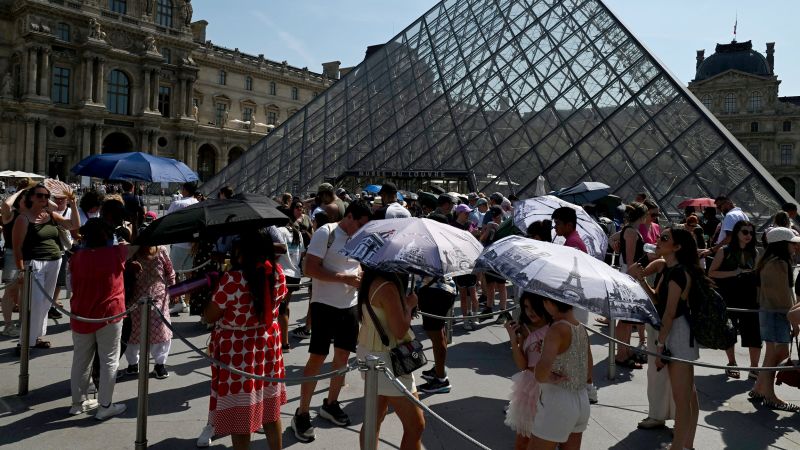
As 2026’s summer peak season intensifies, the European travel experience is facing new challenges that have shifted the focus from overcrowded destinations to logistical hurdles. While the issue of overtourism once dominated headlines, travelers now grapple with more immediate concerns: securing flights, avoiding disruptions, and maintaining health during their journeys. These worries are shaping a different kind of travel crisis, one that blends geopolitical tensions with global supply chain vulnerabilities. Julia Lo Bue-Said, CEO of the Advantage Travel Partnership, highlights how the travel landscape has evolved. “The reality of travel is very different now,” she explains. “We’re operating in a geopolitical environment that’s more unpredictable, and this is affecting everything—from vacations to daily life and even weather patterns.” Despite these challenges, she believes the situation remains manageable, provided travelers adapt to the new realities.
Fuel shortages: A looming threat
One of the most pressing issues this summer is the risk of fuel shortages. According to aviation analytics firm Cirium, over 13,000 flights were removed from global schedules in May alone, signaling a significant disruption. Denton Cinquegrana, chief oil analyst at Dow Jones Energy, offers a cautiously optimistic perspective. “The global oil situation is tight, but we’re seeing adjustments from refiners and suppliers,” he notes. “Airlines have also cut back on long-haul operations, which has helped stabilize fuel supplies.” While a full-blown supply crisis seems unlikely, Cinquegrana warns that the situation remains fragile. “It will take four months after the Strait of Hormuz partially reopened for supplies to return to normal,” he says. “Even with the price of jet fuel dropping from $122.50 per barrel in April to $75 this week, it’s still far above historical averages.”
For those seeking to minimize the risk of flight cancellations, Cinquegrana recommends targeting destinations with greater energy independence. “Spain has its own oil refineries, giving it a buffer that nearby countries lack,” he explains. “This means flights to or through Spain are less likely to be impacted by fuel shortages.” Iberia, a Spanish airline, is highlighted as a reliable choice for connecting to the continent. Additionally, he advises opting for major hubs over seasonal spots, such as Rome instead of Palermo or Heathrow over Manchester. “Traveling via trains or ferries can also reduce reliance on air travel,” he adds.
Health concerns: A new dimension of travel anxiety
As travelers prepare for their summer trips, health has become a central factor in planning. Dr. Julie Hammond, a medical professional, shares her experience with a family decision to embark on a June vacation to the Cape Verde Islands. “We were considering canceling due to concerns about gastroenteritis outbreaks that claimed lives earlier this year,” she says. “With two young children, the risk of illness was a big factor, but the cost of delay made us choose to proceed.” To mitigate risks, Hammond implemented rigorous hygiene measures. She used antibacterial wipes and hand gel throughout her trip, starting with cleaning armrests, screens, and tray tables on the plane. Upon arrival, she focused on sanitizing the hotel bathroom, reasoning that it’s a common area for spreading germs. “If anyone has stomach bugs, the bathroom is where they’ll be,” she explains. “I made sure to clean the seat, flush, door handle, and taps.” She also boiled water to rinse in-room glasses, a precaution she admits was “over the top,” but she’s been able to maintain her family’s health for seven days so far.
Hammond’s approach reflects a broader trend of travelers prioritizing health protocols. “This summer, people are more aware of the risks,” she says. “From Hantavirus to Norovirus, even that common cold you catch the moment you relax—there’s a heightened sense of vigilance.” While these precautions may seem excessive, they underscore how travel has become a balancing act between convenience and safety. The combination of health concerns and fuel shortages is creating a dual challenge for vacationers, who must navigate both physical and logistical hurdles.
Airlines adapt: Hedging programs and resilience
Despite the challenges, industry experts suggest that airlines are already adjusting to the new normal. Cinquegrana predicts that carriers will increasingly rely on “hedging” programs to secure fuel supplies at fixed prices, a strategy they had largely abandoned in recent years. “This helps protect against price spikes and supply fluctuations,” he says. “It’s a way to stabilize costs and ensure continuity.” Such measures, he argues, are part of a broader shift in the aviation sector, where adaptability has become key. “We’re not seeing a permanent change to the industry,” Cinquegrana asserts. “This is just another phase in a series of temporary setbacks.”
Meanwhile, travelers are being urged to remain flexible. “The unpredictability of the situation means that plans might need to change,” says Cinquegrana. “But with airlines and suppliers working together, the outlook is improving.” He points to the gradual reopening of the Strait of Hormuz as a positive sign, though he acknowledges that the process is far from complete. “It’s not a matter of if there will be disruptions, but how severe they’ll be,” he notes. “For now, the focus is on mitigating risks rather than eliminating them entirely.”
As the summer unfolds, the European travel industry is preparing for a season of uncertainty. Yet, amidst the challenges, there’s a sense of resilience. “Travelers are becoming more informed and proactive,” says Lo Bue-Said. “They’re planning with extra care, and that’s helping the industry weather the storm.” Whether it’s navigating fuel shortages, managing health risks, or adapting to changing travel dynamics, the goal remains the same: to create memorable experiences without the added stress of unexpected obstacles. For those who embrace the complexity, 2026 could still offer the kind of adventure that turns a vacation into a story worth telling.