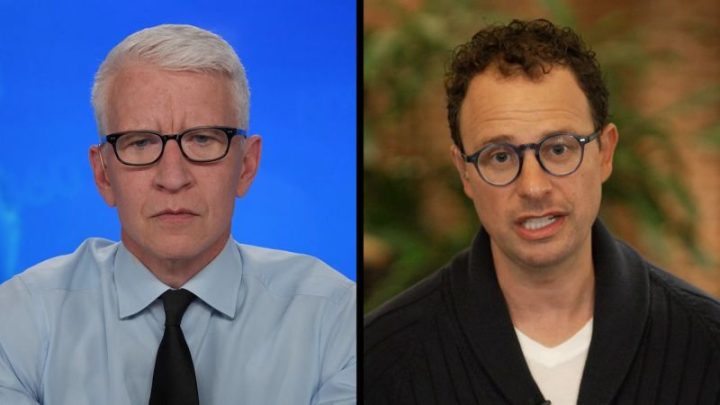
How Tim Cook made Apple one of the world’s most valuable companies


Daftar Isi
The Baton Passes: What Fifteen Years of Tim Cook Left Behind at Apple
Healfromzero.com – On September 1, John Ternus — Apple’s chief of hardware engineering — steps into the most scrutinized executive chair in the technology industry. He inherits a company whose market value briefly touched $5 trillion in July, making it only the second firm in history to clear that threshold. He also inherits a mandate to navigate an era defined by artificial-intelligence competition, European regulatory friction, and a global supply chain still scarred by pandemic-era disruptions and tariff shocks. The man handing him the keys, Tim Cook, departs after fifteen years at the top — a tenure that began in August 2011, when Cook succeeded Steve Jobs and assumed control of a company already synonymous with the smartphone revolution.
The scale of what Cook accomplished during that stretch is difficult to overstate. Apple’s share price climbed by more than 2,000 percent under his stewardship. More tangibly, the iPhone shifted from being a premium gadget to becoming, in the words of daily habit, an indispensable tool for purchasing coffee, streaming music, tracking workouts, and settling credit-card bills. That transformation was powered by the web-services ecosystem and accessory ecosystem Cook championed throughout the decade, layers of software and connectivity that turned a hardware purchase into a recurring revenue relationship.
Scaling Beyond the Product
David Yoffie, a professor at Harvard Business School who authored a case study examining Apple and its leadership, framed the achievement in structural terms:
“(Cook) managed to scale the iPhone to a level that no one would have thought was likely or possible over that period of time.”
Yet the scaling was never purely a product story. It required sustained diplomatic navigation between Washington and Beijing — two capitals whose relationship grew markedly more volatile during Cook’s tenure. Gene Munster, managing partner at Deepwater Asset Management and a watcher of Apple since 2004, argued that Cook functioned as much as a statesman as a chief executive. His background in operations and supply-chain logistics gave him an unusual vantage point: he understood the physical flow of components as intimately as the financial flow of revenue, and he deployed that knowledge to keep production lines running even as geopolitical headwinds intensified.
The Tariff Gambit
One episode crystallized Cook’s negotiating style. Facing pressure from the Trump administration to manufacture iPhones domestically, Apple did not simply build new factories overnight. Instead, the company pledged a $600 billion investment to expand U.S. operations, including production of critical iPhone components on American soil. The move effectively sidestepped the administration’s steep tariff schedule while signaling political goodwill. Even during Trump’s first term, the president acknowledged that Cook was among the very few corporate leaders who had personally telephoned him — a detail that underscored the personal bandwidth Cook maintained with the White House.
Jeffrey Sonnenfeld, senior associate dean for leadership studies at the Yale School of Management and a former White House advisor, placed Cook near the top of the list of CEOs who earned the president’s respect.
“In terms of CEOs that Trump has come to respect, Tim Cook would be very high on the list.”
Listening Before Speaking
Those who worked alongside Cook in the Jobs era recall a quieter, more deliberate presence. Ron Johnson, who ran Apple’s retail division from 2000 to 2011, described Cook — then chief operating officer — as “intelligent” and “strategic” during weekly leadership meetings. Johnson offered a telling observation about the former COO’s conversational habits:
“He was perhaps the most thoughtful of the executive team members. He would always listen first and speak when he had something to add.”
That restraint, paired with swift decision-making once a position was formed, became a hallmark of his executive style. It also served him well in the delicate task of diversifying production away from China while simultaneously courting Chinese consumers and government officials — a balancing act Munster called almost incomprehensible.
“I don’t know how you do that. I don’t know if that dynamic makes sense.”
What Ternus Inherits
The challenges awaiting the new CEO are of a different character. Europe, Apple’s second-largest market, has forced structural changes to App Store operations, and the company’s revamped Siri will not launch there because of European Union regulatory constraints. The memory-chip shortage, driven by insatiable demand from AI data centers, has pushed Apple and its rivals toward higher product prices. And the Vision Pro, the company’s most recent major hardware category, failed to generate the cultural momentum its predecessors did, leaving Apple under pressure to demonstrate that its next-generation AI features can translate into consumer demand.
Still, Cook offered his successor a guiding principle during one of his final earnings calls as CEO, speaking in April about the philosophy that should anchor every product decision:
“If you keep focusing on that and make your decisions around that, it will produce a great business. And we’ll be able to build more products and do it all over again.”
The word he chose was “enrich” — products that enrich the lives of customers. Whether Ternus can translate that ethos into an era of generative AI, regulatory fragmentation, and supply-chain volatility remains the defining question of Apple’s next chapter. What is certain is that the company entering September 2026 carries a valuation, a brand gravity, and a geopolitical footprint that no other consumer-electronics firm matches — a position Cook built not through a single breakthrough, but through fifteen years of compounding operational, diplomatic, and strategic choices made one quiet decision at a time.
Related Reading
Frequently Asked Questions
What is How Tim Cook made Apple one?
How Tim Cook made Apple one is the main topic of this guide. The article explains the context, practical details, and next steps readers should understand.
Why does How Tim Cook made Apple one matter?
How Tim Cook made Apple one matters because readers are looking for a useful answer, not just a short summary. Good content should match search intent and help them decide what to do next.