Trump stirs new storm by posing as strongman in taxpayer-funded video

Daftar Isi
Taxpayer-Funded Trump Video Sparks Fresh Debate Over Government Messaging
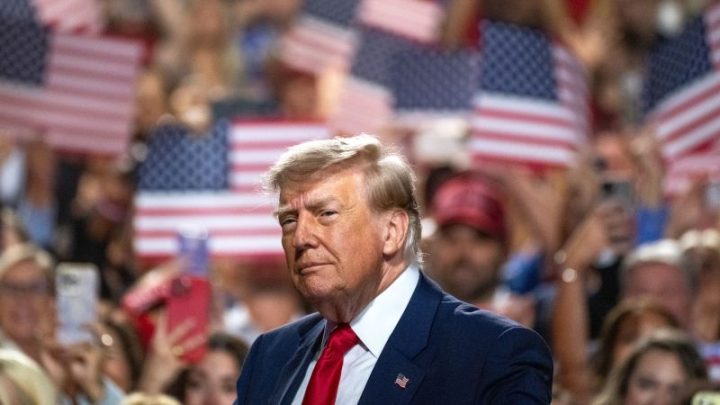
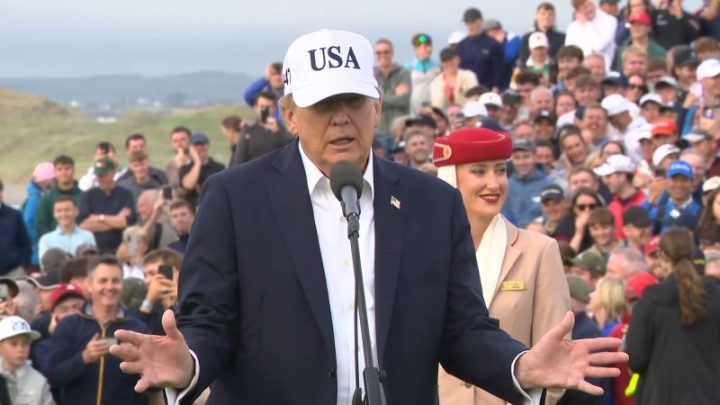
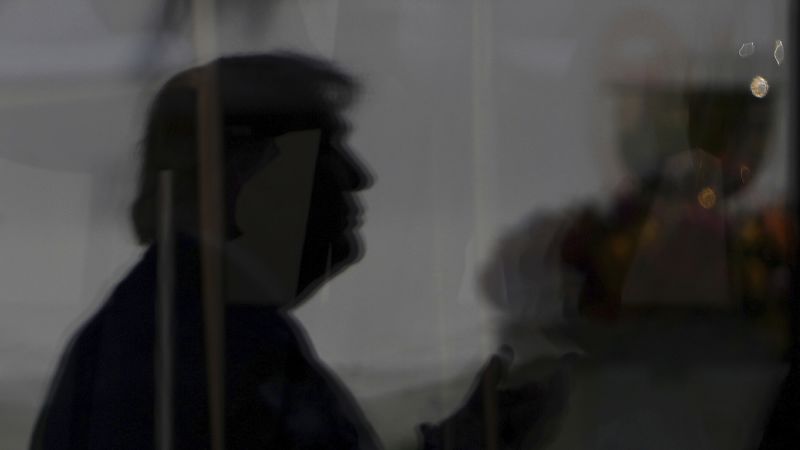
Healfromzero.com – A 30-second television spot aired during NFL games Sunday has placed the White House at the center of another dispute over the boundaries between public communication and political promotion. The black-and-white video presents President Donald Trump in dramatic, strongman-style imagery as an echoing narration promises a “final battle” against communists, the deep state and the “fake news” media.
Its most contentious feature appears at the end: “Paid for by the U.S. Government.” The disclosure has fueled questions about whether taxpayer money can properly finance a message built around a president’s political language and personal image, particularly with congressional midterm elections only five weeks away.
The visual approach resembles material Trump used during his 2024 campaign, reinforcing criticism that the government-funded spot is difficult to separate from familiar campaign-style branding. The White House describes the videos as public service announcements, while critics see a message aimed at energizing Trump’s political base.
Questions About Public Funds and Political Benefit
Taxpayer financing is at the heart of the controversy because public funds come from Americans across the political spectrum, including people who reject the president’s agenda. Democrats have objected to other recent government-funded videos featuring Trump, and consumer advocacy organization Public Citizen has submitted a complaint to government ethics watchdogs.
Republican Sen. John Kennedy of Louisiana also raised concern during an appearance on CBS News’ “Face the Nation.” While not disputing every possible use of government advertising, he argued that officials should not use public resources to elevate themselves personally.
“No public official should spend public money on private ads for themselves.”
Supporters of the White House position may argue that the divide between a political ad and a patriotic public message is subjective. Presidents have long used advertising to encourage public participation, support national initiatives or rally the country during moments of crisis. The administration has pointed to examples associated with George W. Bush, Barack Obama, Joe Biden, Woodrow Wilson and Franklin Roosevelt.
Yet the dispute is not simply about whether presidents may speak directly to the public. It is about the content, tone and timing of a message portraying Trump as the central figure in a struggle against ideological enemies and hostile institutions. Those themes have been core elements of his political identity for years.
White House Calls Spots Educational and Patriotic
The White House has defended the campaign as a civic appeal rather than electoral advertising. Its response characterized the spots as reminders of national values and the reasons Americans should defend their country domestically, at the border and overseas.
“The ad is educational and unapologetically patriotic. We should be proud of our country.”
Administration officials also contend that the advertisements cannot be considered political because Trump himself is not a candidate in the midterm elections. But the president has urged supporters at a Texas “midterm convention” to treat the races as a personal referendum.
“Pretend that I’m on the ballot.”
White House Communications Director Steven Cheung likewise rejected criticism of the broadcasts in a message on X, calling them “epic Public Service Announcements” and accusing the “Fake News” of spreading false claims about them.
Timing Adds to the Political Tension
The release comes as Republicans face an uncertain midterm environment and worry about holding both the House and Senate. Trump has access to a political fundraising operation worth hundreds of millions of dollars, a fact critics cite in questioning why government money would be needed for messaging that resembles his own campaign appeals.
The timing may be especially valuable to a Republican Party seeking strong turnout from voters who remain intensely loyal to Trump even when his name is absent from the ballot. A video that depicts him as an embattled and commanding leader could reinforce the sense of threat and urgency that has often motivated his supporters.
The imagery also arrives during a period of political strain for the president. Polling has shown public resistance to his approach on the economy, the war in Iran and his opposition to regulating artificial intelligence. As attention turns toward his final period in office, the video offers a contrasting picture: a president cast as the indispensable figure in a national confrontation.
A Familiar Trump Strategy
The episode fits Trump’s long-standing political method of turning conflict with institutions into evidence for his broader argument that entrenched forces are working against him and his supporters. Confrontations with the media, government officials and ethics authorities can strengthen his outsider identity, even while he occupies the presidency.
Critics argue that this pattern is particularly troubling when it involves official government communications. Skepticism is likely to remain high in an administration that has removed inspectors general, ethics officials and career civil servants. Those actions have already prompted concerns about the protection of nonpartisan government norms.
Past presidential public-service efforts were often linked to plainly identifiable national emergencies or public needs. Biden’s pandemic messaging, for example, focused on encouraging vaccination during the Covid-19 crisis. Roosevelt’s wartime material addressed threats posed by Nazi Germany and Japanese imperialism. Such campaigns could still become politically controversial, but their immediate public purpose was more direct.
Trump’s video instead frames the country as besieged by Marxists, globalists, a deep state and the media. Whether those claims meet the standard of a public-service mission is likely to remain the central question. The argument is less about technical labels than about whether government advertising is informing citizens, mobilizing them behind a policy goal, or building the political stature of the person in office.
Related Reading
Frequently Asked Questions
What is Trump stirs new storm by posing?
Trump stirs new storm by posing is the main topic of this guide. The article explains the context, practical details, and next steps readers should understand.
Why does Trump stirs new storm by posing matter?
Trump stirs new storm by posing matters because readers are looking for a useful answer, not just a short summary. Good content should match search intent and help them decide what to do next.