Troops must meet weight standard to get free tickets to the White House UFC fight

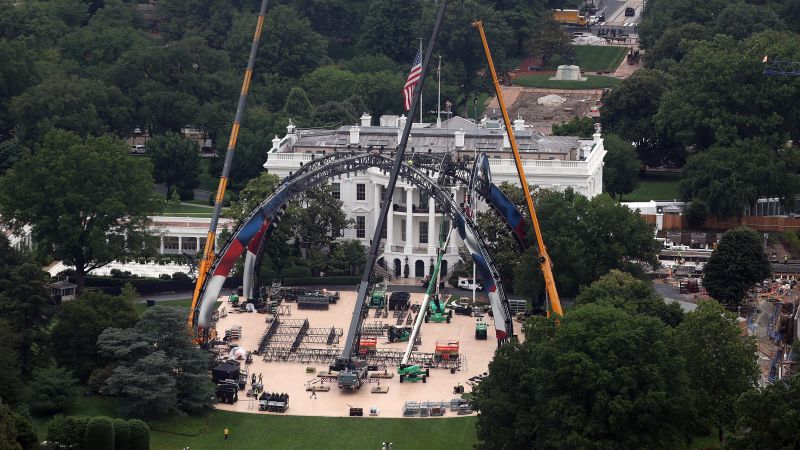
Troops must meet weight standard to get free tickets to the White House UFC fight
Pentagon’s New Fitness Criteria for White House Event
Troops must meet weight standard to get – The U.S. military has initiated a process to identify service members eligible for complimentary tickets to the upcoming UFC event at the White House, scheduled for June 2026. This initiative, outlined in internal guidance memos examined by CNN and verified with officials, hinges on strict body composition requirements. According to the documents, recipients of the tickets must adhere to the Defense Department’s (DoD) waist-to-height ratio standard, which mandates a ratio of less than 0.55. This standard is paired with existing physical fitness test protocols, ensuring attendees meet both metrics.
The requirement reflects a broader emphasis on physical fitness under Defense Secretary Pete Hegseth, who has championed the idea of maintaining a lean and agile military force. In a speech delivered in October 2025 at Marine Base Quantico, Virginia, Hegseth stated, “There will be no ‘fat troops’ or ‘fat generals and admirals in the halls of the Pentagon.'” His comments underscore the strategic importance of appearance and fitness in military operations, particularly during high-profile public events.
The new standards were introduced earlier this year by the DoD as part of an ongoing effort to assess “warfighting readiness” more comprehensively. These guidelines replace previous metrics and now prioritize waist-to-height ratio as a key indicator. The Cleveland Clinic’s data, which serves as a reference, indicates that the average height for American men is 5 feet 9 inches, while women average 5 feet 4 inches. At these heights, service members must keep their waists within specific limits: a maximum of 37 inches for men and 35 inches for women, according to the memos.
Senior Pentagon officials have signaled that the selection process for the UFC event will emphasize not just physical fitness, but also the ability to project a favorable image during the televised occasion. A defense official familiar with the approval process noted, “The message is very clear: No fattys.” This statement highlights the perception that maintaining a lean physique enhances the military’s public image, particularly when appearing alongside a former president.
Selection Focus on Junior Ranks and UFC Enthusiasts
Additional guidance from the Pentagon mandates that commanders prioritize junior enlisted personnel and junior officers for ticket distribution. This directive aligns with the goal of showcasing a diverse and energetic group of service members, capable of engaging with the UFC event’s audience. The memos also stress the importance of identifying “genuine UFC fans,” suggesting that the selection process may consider familiarity with the sport and enthusiasm for combat demonstrations.
While the tickets themselves are free, service members are expected to cover travel and accommodation expenses. This detail raises questions about the accessibility of the event for troops stationed in remote areas or those with limited financial resources. However, the Pentagon’s focus on optimizing the event’s visual appeal appears to outweigh logistical considerations, as the guidance emphasizes the need for attendees to look their best on camera.
The selection criteria for the UFC event mirror the practices seen during previous White House engagements with military personnel. For instance, during Trump’s last visit to Fort Bragg, soldiers were handpicked not only for their physical attributes but also for their political alignment with the administration. This approach has been consistent with the Pentagon’s strategy of curating appearances to reinforce specific narratives about military strength and discipline.
Officials have also highlighted the significance of maintaining a lean and fit workforce. The waist-to-height ratio, which measures the proportion of body fat relative to height, is seen as a more accurate reflection of overall health and readiness. This standard was adopted after extensive research and analysis, with the Pentagon aiming to create a more objective method for evaluating fitness levels. The ratio is calculated by dividing a person’s waist circumference by their height, and a value under 0.55 is considered ideal for combat effectiveness.
Some military personnel have raised concerns about the potential for bias in the selection process. A source close to the approval committee mentioned, “It’s not just about fitness; it’s about how soldiers are perceived by the public.” This sentiment suggests that the Pentagon’s focus extends beyond physical health to include the visual impact of the event. As a result, the criteria may disproportionately benefit those with access to fitness programs and nutritional support, potentially marginalizing service members in less resourced units.
The guidance also includes recommendations for selecting individuals who are not only fit but also representative of the broader military community. While the event is expected to feature a predominantly male audience, the Pentagon has acknowledged the need to include a mix of genders to reflect the diverse composition of the armed forces. This balance is intended to enhance the event’s relatability and showcase the military’s commitment to inclusivity.
Despite the rigorous selection process, the Pentagon has remained silent on the specifics of the UFC event’s guidance. This lack of public comment has fueled speculation about the underlying motivations for the criteria. Some analysts argue that the standards are part of a larger effort to align the military with the aesthetic expectations of the American public, particularly in an era where fitness and appearance are often tied to national pride.
The event’s location at the White House further amplifies its symbolic importance. Hosting the UFC fight in the nation’s capital allows the administration to leverage the military’s image for political purposes, while also demonstrating a commitment to active engagement with service members. The combination of free tickets and selective criteria creates a unique opportunity to highlight the best of the armed forces, even as it introduces a new layer of scrutiny for eligibility.
As the Pentagon tightens its control over the optics of Trump’s appearances, the UFC event is positioned as a microcosm of the broader shift in military priorities. The focus on physical fitness and appearance reflects a desire to project strength and unity, particularly in the context of a presidential event. This approach, while controversial, underscores the strategic value of public perception in military affairs.
With the event drawing near, the process of selecting attendees has intensified. The guidance memos have become a central tool in this effort, ensuring that only the most qualified individuals are invited to represent the military. This meticulous selection process not only highlights the importance of physical standards but also reinforces the role of the military in shaping national narratives through carefully curated public engagements.
Ultimately, the UFC event at the White House is more than a spectacle; it is a reflection of the military’s evolving priorities. The integration of body composition metrics into the selection process signals a shift toward a more visually oriented assessment of readiness, even as it maintains the core principles of fitness and discipline. This balance between form and function is expected to define the event’s legacy, blending the rigorous demands of military service with the entertainment value of a high-profile UFC matchup.