The ultimate hostage negotiation: Why Iran talks are deadlocked

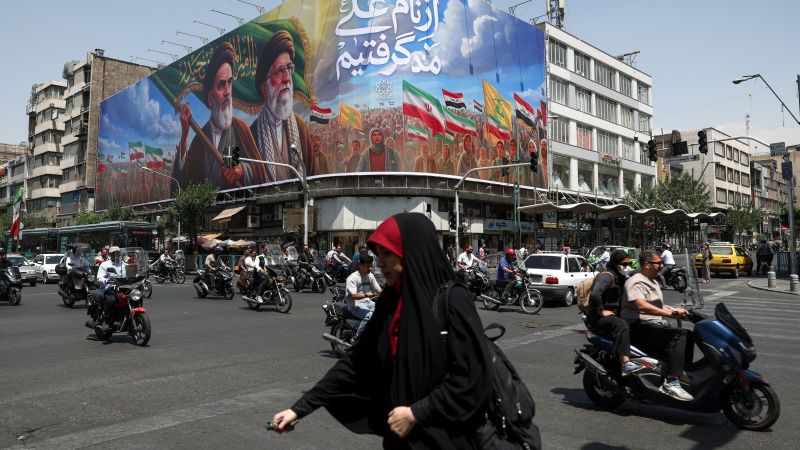
The ultimate hostage negotiation: Why Iran talks are deadlocked
The ultimate hostage negotiation – Brett McGurk, a CNN global affairs analyst, has spent years analyzing critical international security discussions as part of senior national security roles under four U.S. presidents: George W. Bush, Barack Obama, Donald Trump, and Joe Biden. His insights into diplomatic strategies highlight a fundamental truth about the ongoing negotiations with Iran. While Washington approaches the talks with a focus on power dynamics, Tehran frames them around the concept of possession. This divergence in perspective explains why the current stalemate persists, even as both sides seek to advance their interests.
Power vs. Possession: Two Negotiation Philosophies
Washington’s approach to Iran negotiations has long been rooted in the idea of leveraging economic pressure to bend Tehran’s will. Sanctions, trade restrictions, and financial leverage have been the primary tools used to push Iran toward concessions on its nuclear program and regional influence. However, from Iran’s viewpoint, the game is different. For the Islamic Republic, the goal is not just to resist pressure but to secure valuable assets that can be used as bargaining tools. This mindset has shaped Iran’s tactics over decades, turning hostage-taking into a strategic weapon.
McGurk’s personal experience with Iran hostage negotiations underscores this difference. During his time as a diplomat, he participated in lengthy discussions to secure the release of American citizens detained in Tehran’s Evin Prison. These talks revealed a key insight: Iran understood that power alone was not enough. What mattered more was the ability to hold onto something the U.S. desperately wanted—people, in this case. The longer the Americans remained in captivity, the more leverage Iran gained. This pattern has repeated itself time and again, with Iran using hostages as a means to extract concessions from Washington.
A 2023 Breakthrough: The $6 Billion Deal
September 2023 marked a significant turning point in U.S.-Iran diplomacy. After months of negotiations, a deal was struck that freed five Americans who had been wrongfully detained in Evin Prison. The agreement included the release of several Iranians held in U.S. prisons, following legal processes and convictions, as well as the transfer of $6 billion from South Korea to Qatar. This sum, kept in restricted accounts, was intended for non-sanctioned humanitarian purposes, but Iran insisted it be moved directly to Doha, where access would be more immediate.
As part of the coordination team, McGurk explained the deal’s strategic value in an interview with Washington Post journalist Jason Rezaian. Rezaian, a former hostage himself, had been released after a year of intense talks. The deal symbolized a delicate balance: the U.S. secured the release of citizens in exchange for tangible, yet limited, concessions. It also demonstrated how Iran had learned to play the game of possession, using a combination of diplomatic and economic tactics to ensure its demands were met.
However, the success of the 2023 agreement was short-lived. Just three weeks later, on October 7, 2023, Hamas launched a devastating attack on Israel, killing over 1,200 people and taking 251 hostages. Iran’s supreme leader publicly endorsed the strikes, framing them as a demonstration of the Islamic Republic’s strength and resolve. In response, Washington decided to freeze the $6 billion Qatar funds once again, reinstating the status quo that had been in place before the deal. This move signaled a shift in priorities, as the U.S. turned its attention to the immediate crisis in Israel.
The Current Hostage: A Global Economic Artery
Now, Iran has escalated its strategy to a new level. The Strait of Hormuz, a vital chokepoint for global oil transportation, has become its latest bargaining chip. The waterway handles approximately one-fifth of the world’s petroleum trade, making it a strategic asset of immense value. By threatening to disrupt shipping through missile attacks and drone strikes, Iran has effectively placed this economic lifeline under its control. The Islamic Republic has also established what it claims is a new authority to manage access to the strait, further reinforcing its position.
McGurk notes that Iran sees this as a form of possession. The strait is no longer just a maritime route—it has become a symbol of leverage, a means to force the U.S. into submission. Washington, once in a position to dictate terms through economic pressure, now finds itself on the defensive. The demand from Iran’s military adviser, Mohsen Rezaei, is clear: release $24 billion in frozen Iranian assets, or risk losing control of the strait. “You must release them,” Rezaei stated during an interview with CNN’s Fred Pleitgen. “If Trump takes the negotiation seriously … this $24 billion is a test of trust. It’s a test America must pass.”
Rezaei’s words reveal a calculated approach. The $24 billion demanded includes the $6 billion transferred in the 2023 deal, suggesting a pattern of building on past concessions to extract even more from the U.S. This strategy reflects Iran’s understanding of how prolonged negotiations can erode Washington’s resolve. By holding the strait as a hostage, Iran ensures that the U.S. remains committed to its demands, even as global pressure mounts.
The implications of this deadlock are far-reaching. While the U.S. seeks to curtail Iran’s nuclear capabilities and regional ambitions, Tehran aims to secure economic and political benefits through its control of the strait. This has created a situation where neither side can easily retreat. The U.S. must choose between paying a steep price for access to the vital waterway or risking further escalation in the region. Meanwhile, Iran continues to hold its ground, knowing that time is its ally in these talks.
McGurk’s reflections on the interview with Rezaei bring the historical and contemporary contexts into sharp focus. The conversation evoked memories of past hostage negotiations, where the same principles applied. The Iranian security officials had always known that the longer they held captives, the more they could demand. Today, the strait serves as a new form of hostage, with the same dynamic at play. As the U.S. grapples with the challenge of balancing its interests in the Middle East, the negotiations remain deadlocked, a testament to the enduring power of possession in Iranian diplomacy.
Ultimately, the stalemate highlights the complexity of U.S.-Iran relations. While Washington aims to use economic pressure to achieve its goals, Iran has mastered the art of turning assets into leverage. The current deadlock is not just a political stalemate—it is a strategic battle over control, with the strait of Hormuz as the ultimate prize. As the talks continue, both sides remain locked in a tense standoff, each determined to emerge victorious in their own way.
Conclusion: A New Chapter in the Hostage Game
The negotiations between Washington and Tehran have evolved into a high-stakes game of psychological warfare. Iran’s ability to frame the strait of Hormuz as a hostage underscores its long-term strategy of using possession as a tool of influence. While the U.S. remains focused on curbing Iran’s nuclear ambitions, the Islamic Republic has shifted its priorities, ensuring that its demands are met through the strategic use of economic leverage.
As McGurk observed, the lessons from past hostage negotiations remain relevant. The longer the U.S. waits, the more Iran can push its agenda. This is why the current talks are deadlocked—because both sides have learned to play the game of possession, and neither is willing to concede without a significant payoff. The strait of Hormuz is not just a strategic asset; it is a symbol of Iran’s enduring power in the negotiations, a reminder that the ultimate goal of these talks is not just to reach an agreement, but to secure a lasting advantage.