
When will we know the outcome of the California governor primary?
When will we know the outcome of the California governor primary?
When will we know the outcome – As of Wednesday evening, the outcome of California’s gubernatorial primary remains uncertain, with the final tally still pending. Three candidates—Republican Steve Hilton and Democrats Xavier Becerra and Tom Steyer—compete for two slots in the general election, creating a tight race that could shift dramatically in the coming days. While Hilton currently holds the lead following the initial post-election night results, Becerra and Steyer have shown notable gains in several counties, challenging the Republican’s early advantage. This unpredictability highlights the unique challenges of California’s voting system, which relies heavily on mail ballots and extends the count well beyond Election Day.
The Delayed Count and Its Implications
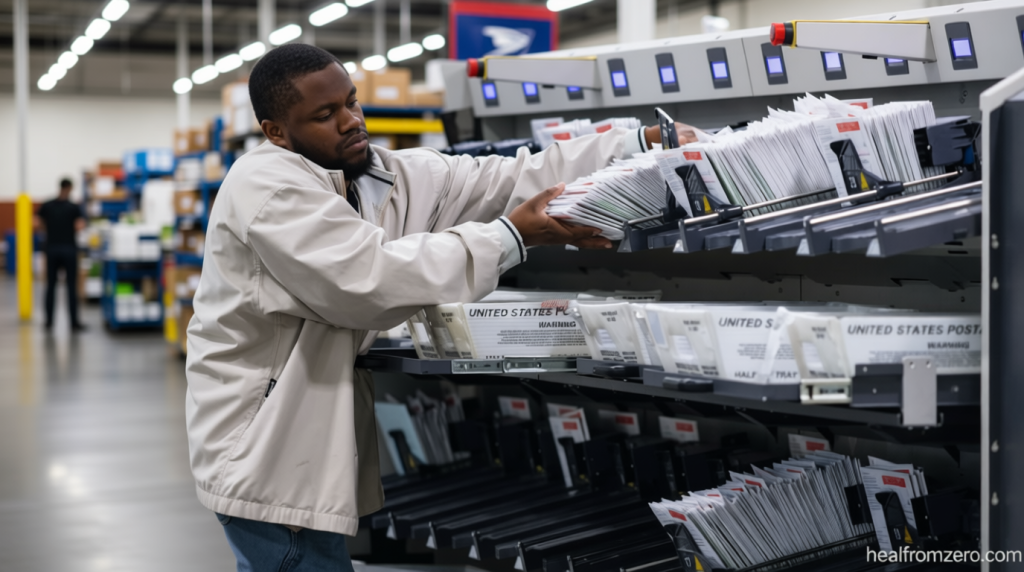
California’s election process is known for its extended vote-counting period, a factor that has become even more pronounced in recent years. Local election officials are tasked with processing millions of mail ballots, some of which arrive on the day of the election or shortly after. These ballots, while valid if postmarked by Tuesday, are often counted later, creating a bottleneck that delays the final results. The state’s reputation for slow counting is not unfounded, as the sheer volume of mail-in votes requires meticulous verification and sorting.
“The ‘pig in a python’ effect occurs when a large influx of votes arrives on Election Day, overwhelming the system and causing delays in reporting,” explains the California Voter Foundation, a nonprofit organization dedicated to improving election practices. This phenomenon, named for its resemblance to a snake swallowing a pig, underscores the challenges of managing high volumes of ballots in real-time.
By Wednesday, many counties had already begun reporting results, but the pace of updates depends on the number of mail ballots processed. Votes cast on Election Day are typically released in large batches during the evening, while mail ballots arrive gradually, sometimes weeks after the election. This uneven distribution of votes means that the initial totals do not always reflect the final outcome, leaving candidates and analysts in a state of anticipation.
Understanding the Voting Process
The California gubernatorial primary operates under a top-two open primary system, where voters can choose any candidate regardless of party affiliation. This structure allows for a more competitive race, as voters may support third-party or independent candidates. However, it also means that the final results are determined by the combined votes of all participants, regardless of their political leanings. The race for governor is not just about party loyalty but also about broader voter sentiment, making it a critical moment in the state’s political landscape.
Mail ballots are a cornerstone of California’s election system, with a significant portion of the electorate relying on them due to convenience and accessibility. According to data from Political Data, Inc., a Democratic-aligned firm, Democratic voters have historically returned mail ballots at a slower pace than Republicans, who tend to favor in-person voting. This trend could influence the outcome of the current race, as the delayed processing of mail ballots may give Democrats an edge as more votes are tallied over the next several weeks.
Reporting Schedules and Deadlines
County-level reporting schedules add another layer of complexity to the race. While some counties, like Los Angeles, update results daily, others may only release updates a few times a week. This variability means that the final tally will not be finalized until July 2, when all counties must complete their election results. The process is both time-consuming and labor-intensive, as election workers meticulously verify each ballot to ensure accuracy.
Despite the extended timeline, the early returns provide valuable insights into the race’s momentum. On election night, the first wave of results included in-person votes and mail ballots that arrived ahead of Tuesday. However, a quarter of all votes cast typically come in as mail ballots on Election Day itself, creating a surge that local officials must manage carefully. This surge, combined with provisional ballots—votes cast on Election Day that require additional verification—means the race could see significant changes as the count progresses.
Historical Trends and Voter Behavior
The dynamics of California’s vote count are not new. In the 2024 Senate primary, for example, initial results on Wednesday morning showed Democratic candidates leading with a combined 57.3% of the vote. However, by the time the final tally was released, that share had risen to 59.5%, illustrating how delayed mail ballots can alter the outcome. This pattern is expected to repeat in the gubernatorial race, as votes cast on Election Day are often reported first, while mail ballots—particularly those from Democratic-leaning areas—accumulate over time.
Analysts note that the shift in voter behavior could have a lasting impact. With Democratic voters returning mail ballots at a slower rate compared to previous years, the delayed processing of these votes may allow for a more pronounced increase in their share of the total. This could be pivotal in determining whether Hilton maintains his lead or if Becerra or Steyer overtake him in the top-two race. The implications of this trend extend beyond the current election, as it reflects broader changes in how voters engage with the electoral process.
Looking Ahead: A Race for the Final Tally
As the counting continues, the focus will shift to the proportion of mail ballots still to be processed. These votes, often from more suburban or rural areas, are crucial for determining the final standings. While Hilton currently appears to be in the lead, the potential for a shift in the next few weeks cannot be ignored. The question now is whether the delayed mail ballots will be enough to tip the balance in favor of the Democrats or if Hilton will remain the frontrunner.
California’s approach to elections is both a strength and a challenge. The state’s commitment to ensuring every vote is counted accurately, even at the expense of a longer resolution period, is a testament to its dedication to electoral integrity. However, this process also means that the race for governor will not be settled until well after the polls close, keeping voters and candidates in suspense for weeks. For now, the outcome remains a work in progress, with the final results dependent on the continued flow of mail ballots and the timely verification of provisional votes.
With the deadline for finalized results set for July 2, the race is far from over. Each day brings new data, and the next few weeks will likely be marked by incremental changes that could reshape the political landscape. Whether the Democrats close the gap or the Republicans maintain their early lead, the final tally will be a reflection of the state’s evolving voting habits and the unique structure of its primary system. As election officials work tirelessly to process each ballot, the answer to the question of when the outcome will be known continues to depend on the pace of mail ballot arrival and verification—two factors that may determine the fate of the gubernatorial race in the days to come.