McConnell hospitalized and ‘receiving excellent care,’ spokesperson says

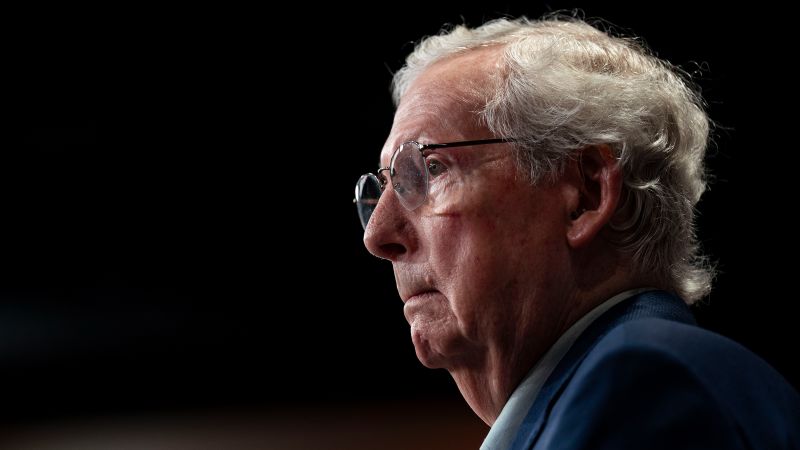
Senator Mitch McConnell’s Hospitalization Sparks Questions About Health and Legacy
McConnell hospitalized and receiving excellent care – Sunday morning marked a significant moment in the political calendar as Senate Minority Leader Mitch McConnell, a veteran Republican from Kentucky, was admitted to a medical facility. His spokesperson, David Popp, confirmed the news, stating, “Senator McConnell was admitted to the hospital this morning. He is receiving excellent care.” While the statement provided reassurance about his current condition, it omitted details regarding the cause of his hospitalization or the severity of his illness. This lack of specificity has fueled speculation among observers, who are closely monitoring the situation as it unfolds.
A History of Health Challenges
The 84-year-old senator’s recent hospitalization is not his first encounter with health issues. Over the past few years, he has experienced a series of medical incidents that have raised concerns about his stamina and physical condition. In March 2023, McConnell suffered a concussion and fractured ribs after a fall, an event that left him temporarily sidelined from legislative duties. Later that year, he froze mid-sentence during a press conference, prompting questions about his cognitive state. CNN later revealed that he had endured two additional falls earlier in 2023, further highlighting the challenges he faces as he advances in age.
McConnell’s health struggles have coincided with a shift in his political trajectory. While he remains a prominent figure in the Senate, his ability to engage in high-intensity debates and long hours of campaigning has been tested. His supporters have consistently defended his resilience, emphasizing that his experience and strategic mind continue to shape the chamber’s dynamics. However, critics argue that his physical limitations may influence his decision-making and public appearances in the coming months.
Leadership and Ideological Shifts
Since becoming Senate Majority Leader in 2015, McConnell has played a pivotal role in advancing conservative policies, particularly during the first term of President Donald Trump. His leadership was instrumental in confirming hundreds of federal judges, a move that solidified his reputation as a key architect of the judiciary’s ideological alignment. Yet, as the Trump administration entered its second term, McConnell’s relationship with the president has become more complex. While he remains a loyal ally in many respects, he has occasionally diverged from Trump’s agenda, casting votes against several of his Cabinet nominees, including Health and Human Services Secretary Robert F. Kennedy Jr.
McConnell’s skepticism toward Kennedy Jr. was rooted in his belief that the nominee failed to demonstrate the qualifications necessary to lead the nation’s health agency. “Kennedy did not establish himself as the best possible person to helm America’s health agency,” the senator stated in a recent interview. This disagreement underscores a broader tension within the Republican Party, as McConnell navigates the balance between his traditional conservative values and the evolving priorities of his party’s base. His advocacy for an active U.S. role in countering aggression from Russia in Ukraine and China in Taiwan has drawn criticism from a faction of Republicans who favor Trump’s isolationist approach, viewing McConnell’s foreign policy stance as overly interventionist.
End of an Era and the Road Ahead
McConnell’s decision to step down from the Senate in 2026 has already set the stage for a new chapter in Kentucky politics. The senator, who has held his seat since 1984, announced last year that he would not seek re-election, a move that has reshaped the race for his successor. Republican Rep. Andy Barr, backed by Trump, is now vying against Democratic former state legislator Charles Booker in the November election. This matchup reflects the broader ideological divide within the party, with Barr representing the Trump-aligned faction and Booker symbolizing the more moderate or progressive wing.
McConnell’s farewell remarks have offered insight into his perspective on the Senate’s future. “When my term concludes, I will leave the chamber with great hope for the endurance of the Senate as an institution,” he said. “There are any number of reasons for pessimism, but the strength of the Senate is not one of them.” These words, though optimistic, come amid a backdrop of political uncertainty. The senator’s health concerns have added a layer of intrigue to the upcoming election, with voters weighing his legacy against the challenges posed by his absence from the Senate floor.
Throughout his career, McConnell has been a cornerstone of Republican strategy, adept at navigating the Senate’s procedural complexities and maintaining a steady hand in times of partisan strife. His influence has been particularly notable in shaping the legislative landscape during Trump’s presidency, where he often acted as a bridge between the executive branch and the legislative body. Yet, his recent hospitalization has prompted a closer examination of his long-term capabilities. As the Senate prepares for a new era, the question remains: will McConnell’s health issues impact his ability to influence policy in his final months, or will he continue to command the respect of his colleagues and constituents?
Legacy and Future Implications
McConnell’s tenure in the Senate has left an indelible mark on American politics, from his role in passing landmark legislation to his strategic maneuvering during high-stakes debates. His ability to maintain the Republican majority for decades has earned him both admiration and scrutiny. While his health challenges may not diminish his impact, they could alter the trajectory of his political influence. For instance, his frequent absences due to medical appointments might shift the focus of leadership to other Senate figures, potentially reshaping the GOP’s legislative priorities.
As the story of McConnell’s hospitalization continues, it serves as a reminder of the fragility of even the most seasoned political careers. The senator’s health journey is a microcosm of the broader challenges faced by aging leaders in a fast-paced, polarized environment. His spokesperson’s comments, though brief, have been carefully worded to convey confidence in his recovery, a message that aligns with the senator’s public image as a resilient and composed figure. Nonetheless, the absence of specific details about his condition has left room for speculation, with analysts drawing connections between his recent health issues and the changing dynamics of the Republican Party.
The upcoming election in Kentucky will be a critical test of McConnell’s legacy. His departure from the Senate represents the end of an era, but it also opens the door for a new generation of leaders to emerge. While Andy Barr and Charles Booker will focus on state-level issues, their campaign platforms will inevitably reflect the national debates that McConnell has championed for years. The outcome of this race could signal a shift in the balance of power within the Senate, with implications for the future of American governance. As McConnell continues his recovery, the nation watches closely, eager to see how his health and political career will intertwine in the months ahead.
This story has been updated with additional information to ensure a comprehensive overview of Senator McConnell’s recent hospitalization and its broader significance in the political landscape. His health status, while not immediately threatening, has sparked a conversation about the sustainability of leadership in an increasingly demanding era of politics. As the Senate prepares for a new chapter, McConnell’s journey remains a focal point for both his supporters and detractors, a testament to the enduring influence of his career.